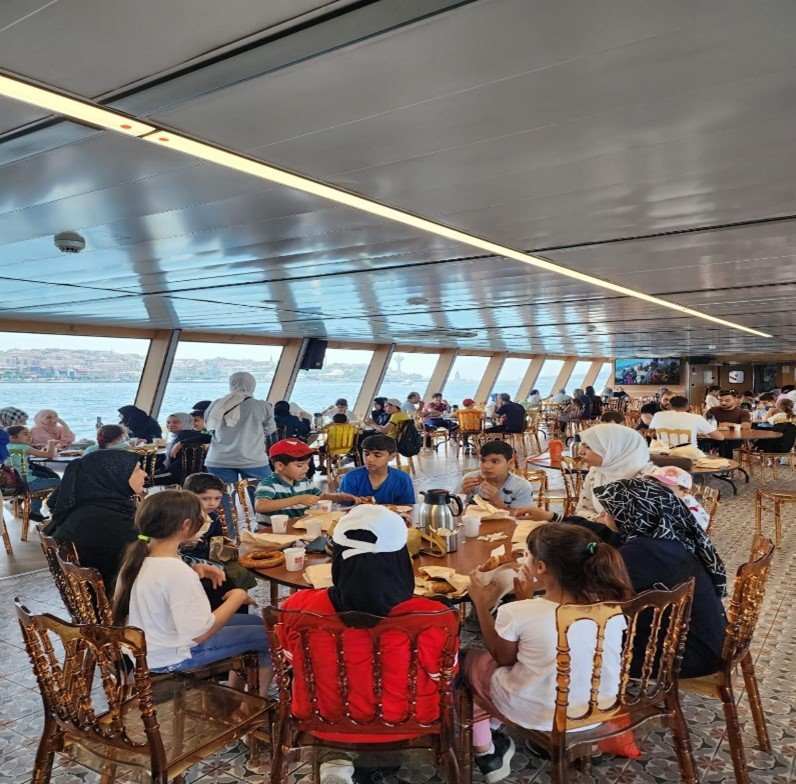
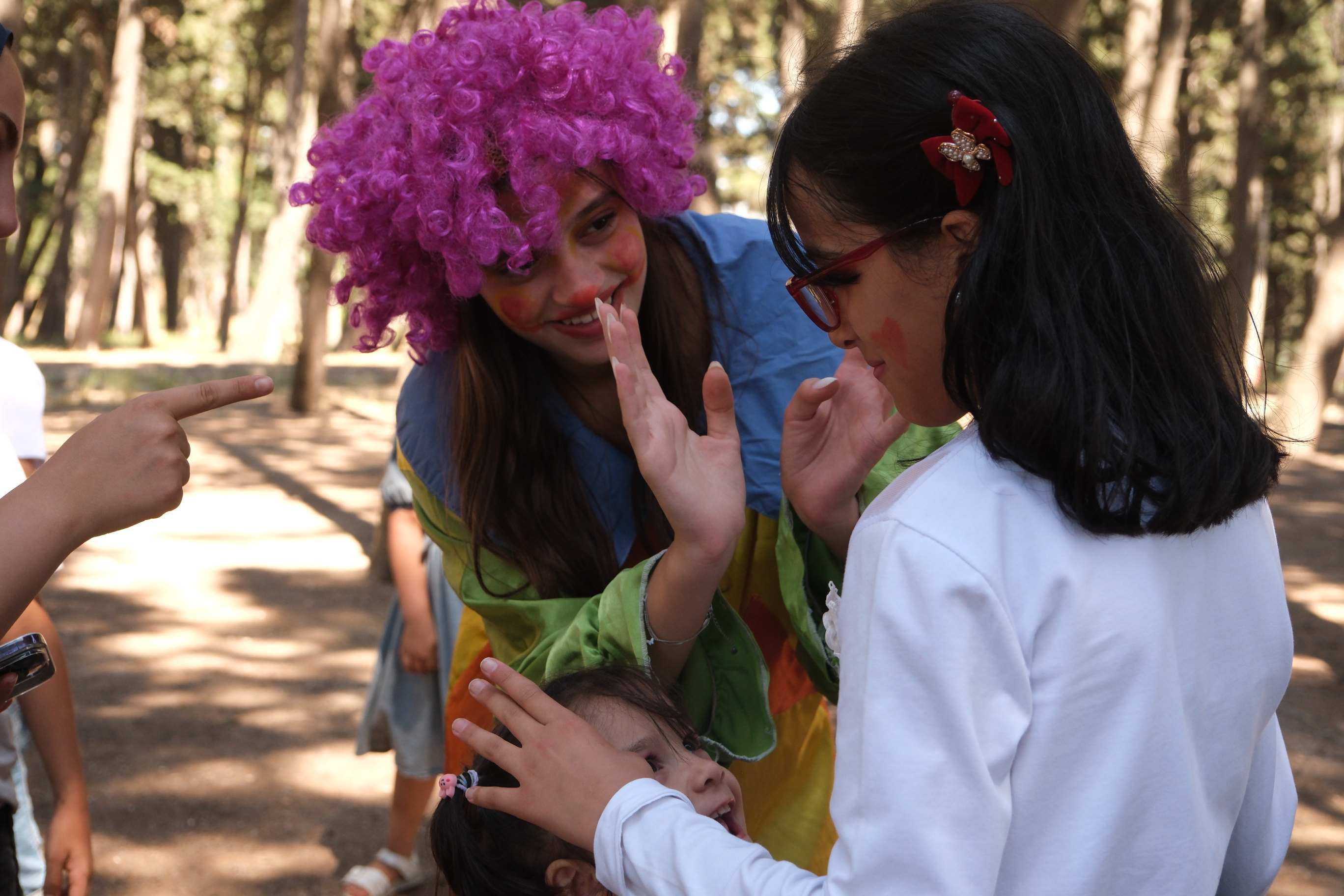
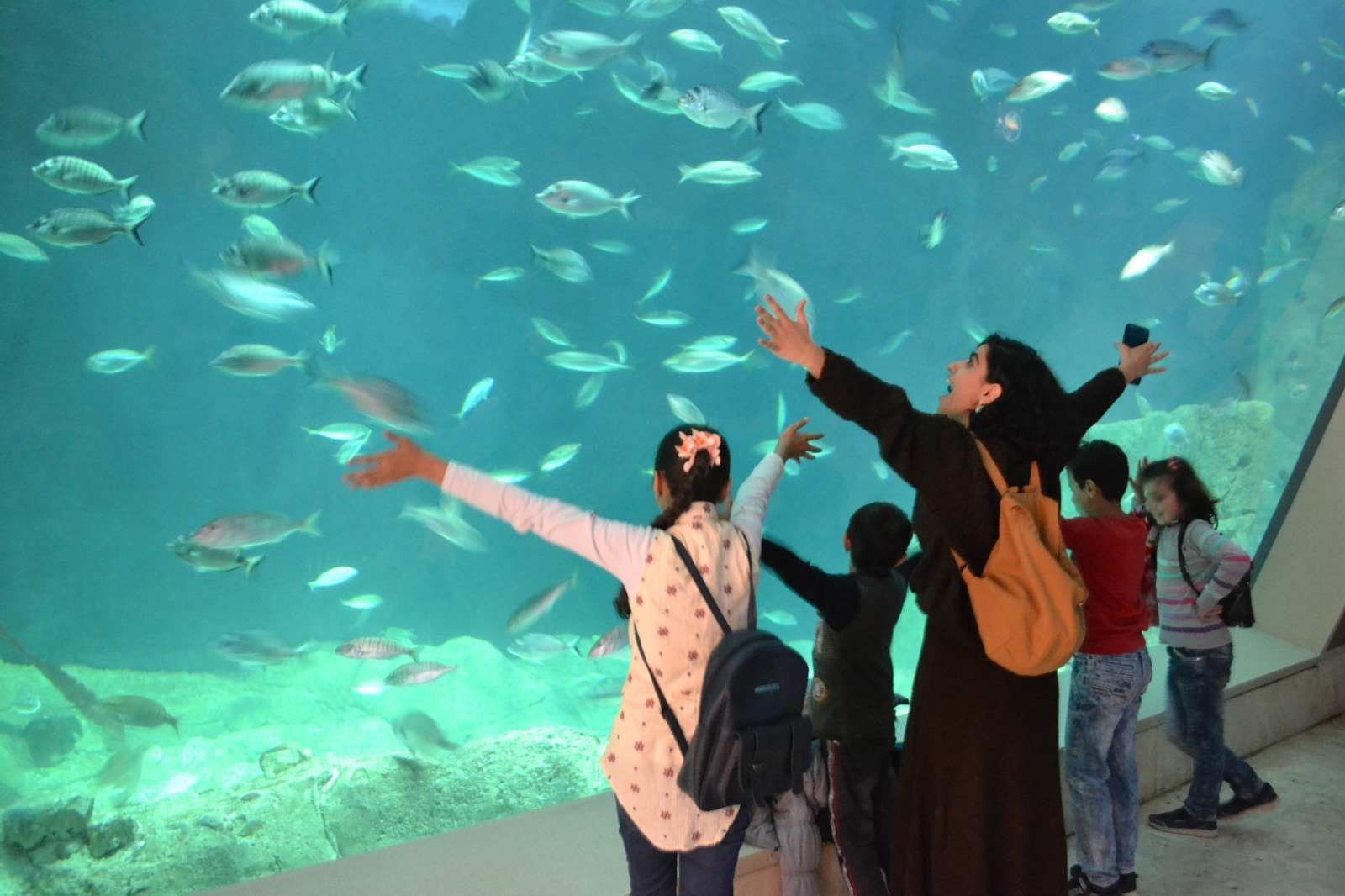
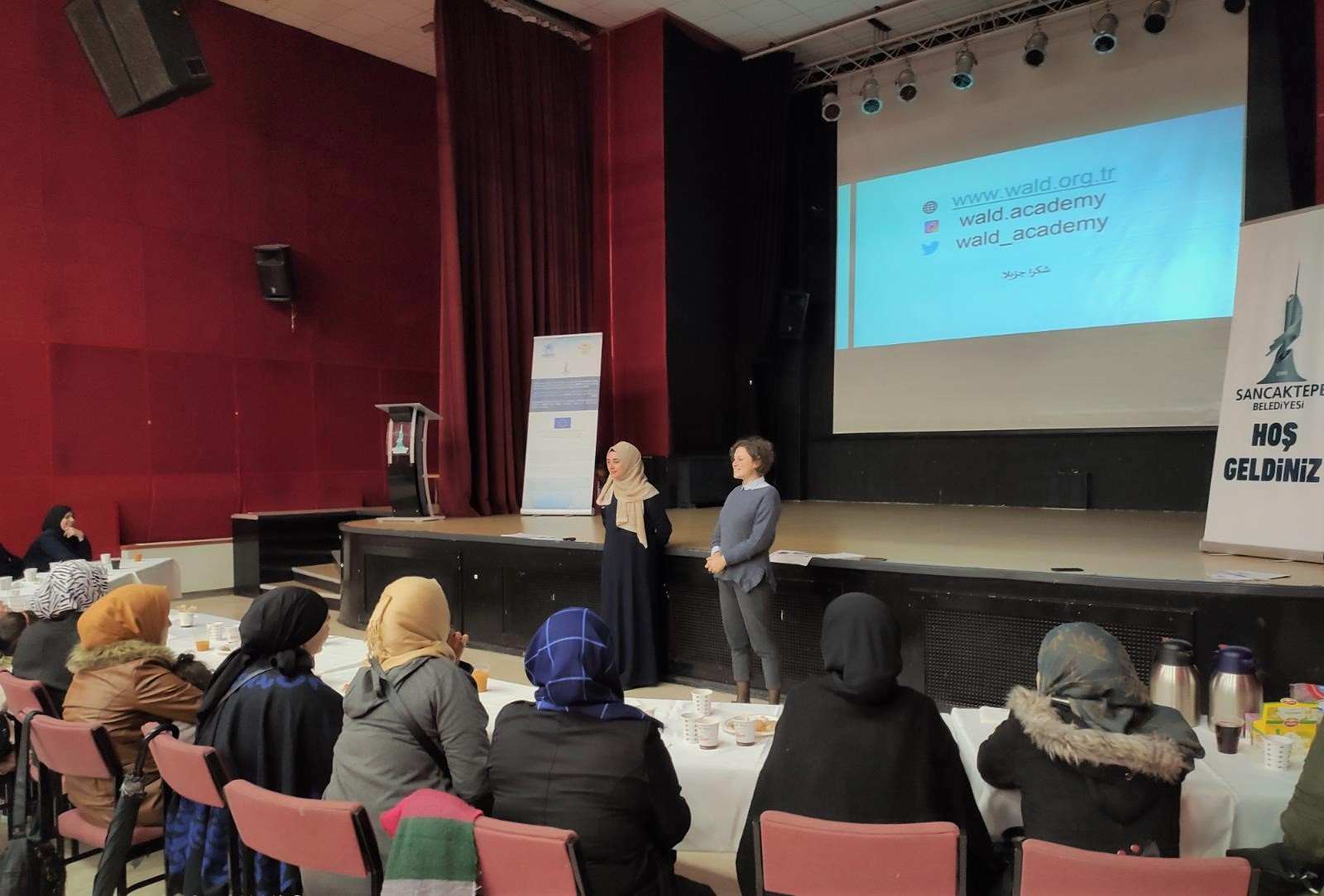
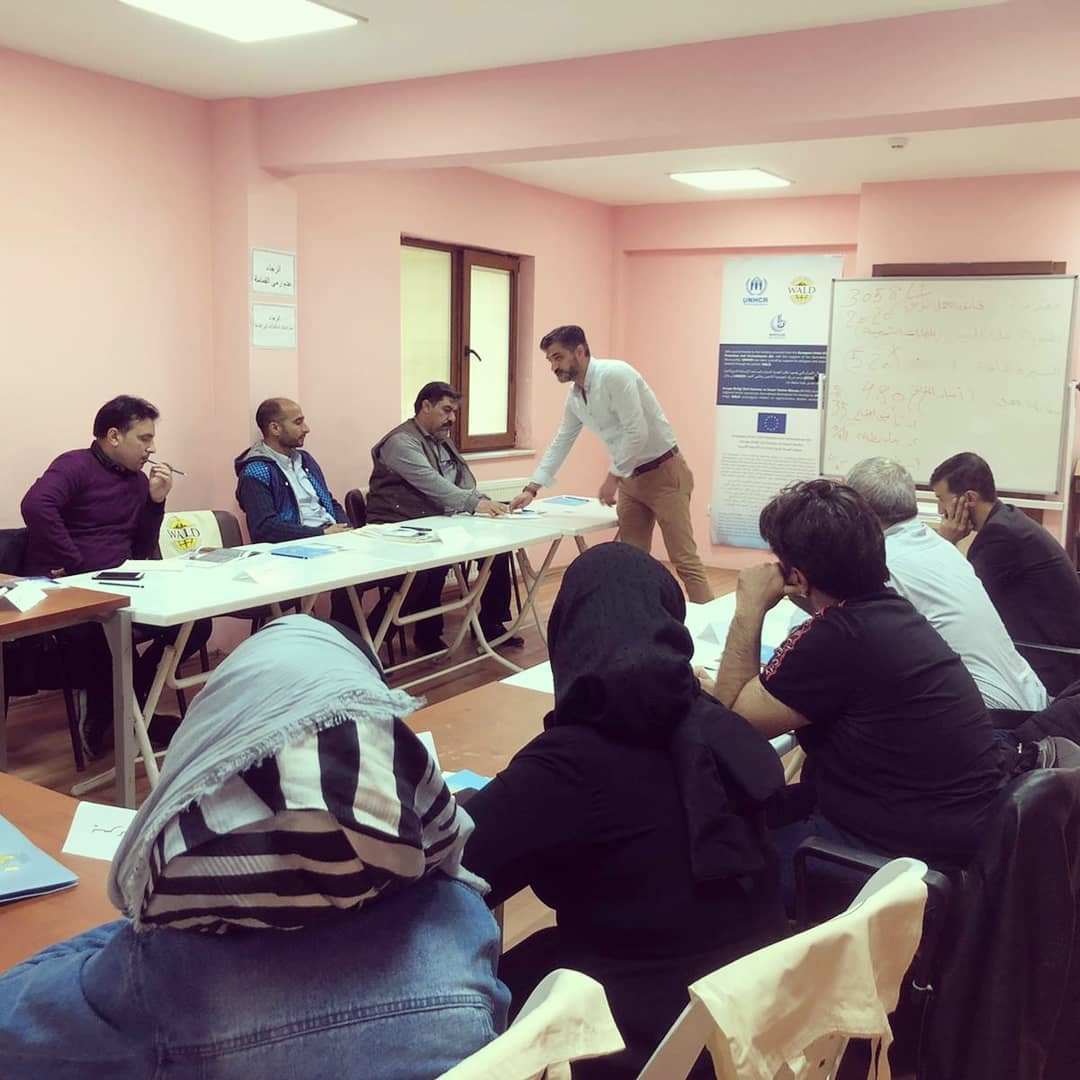
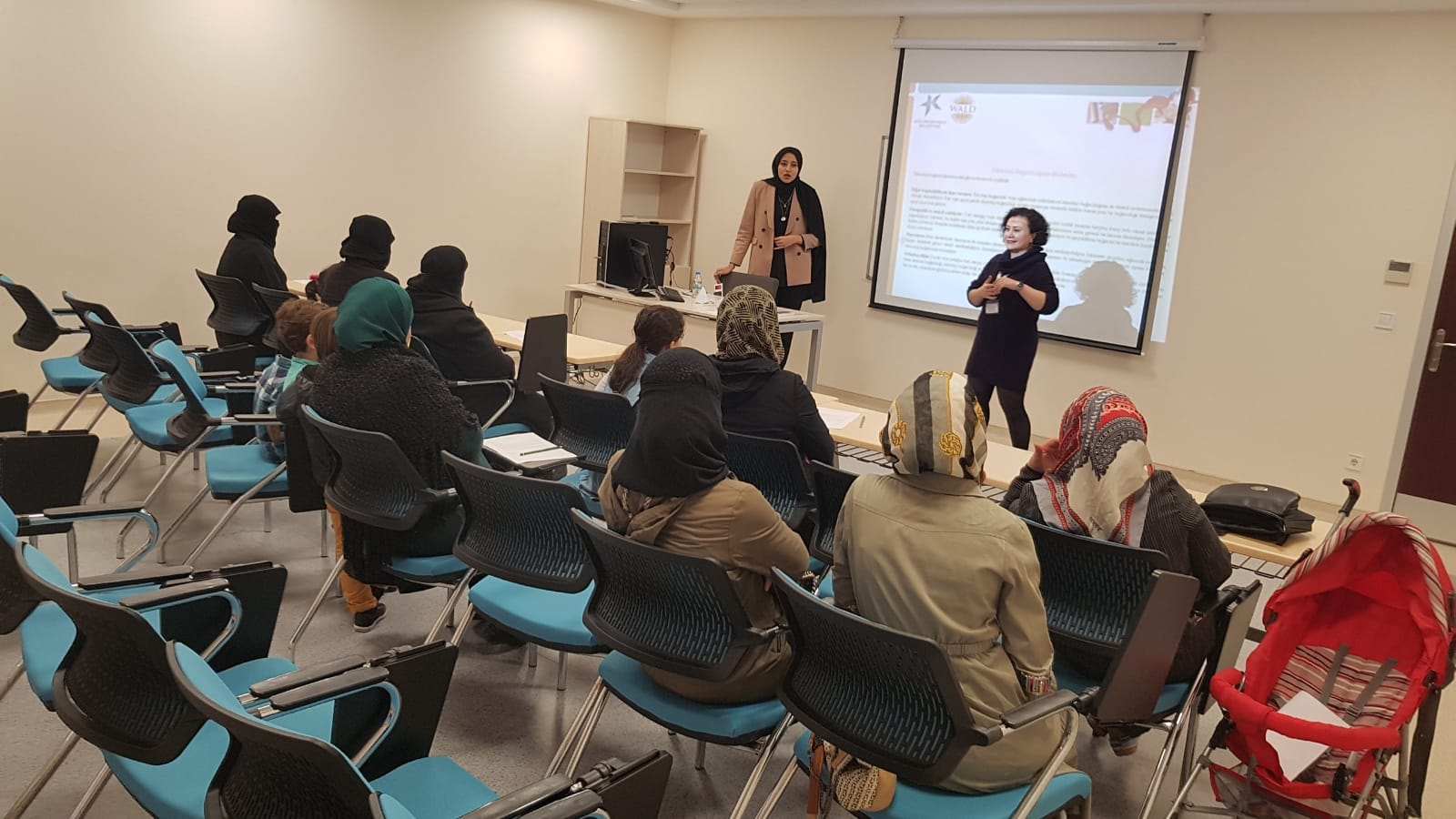
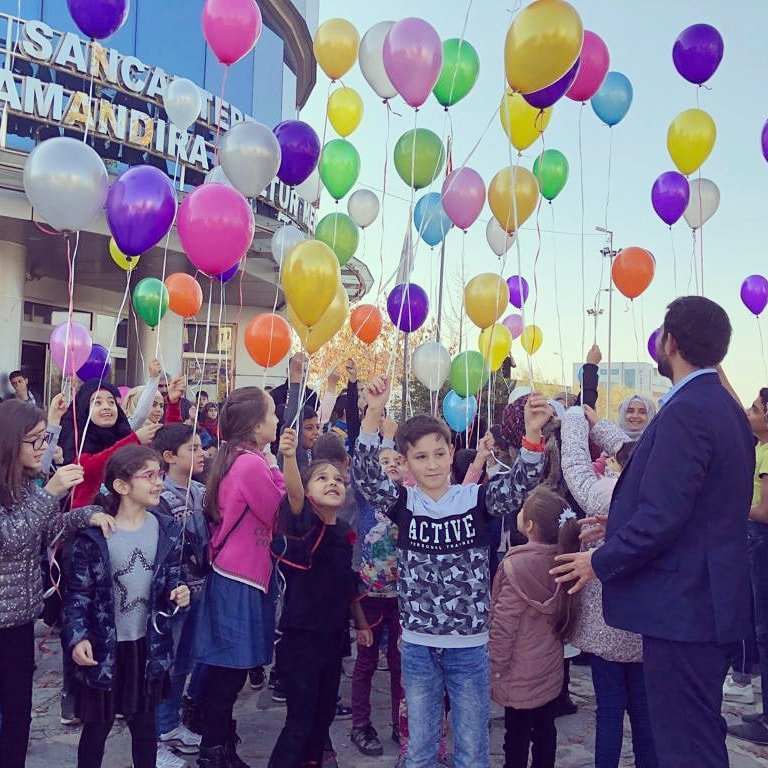
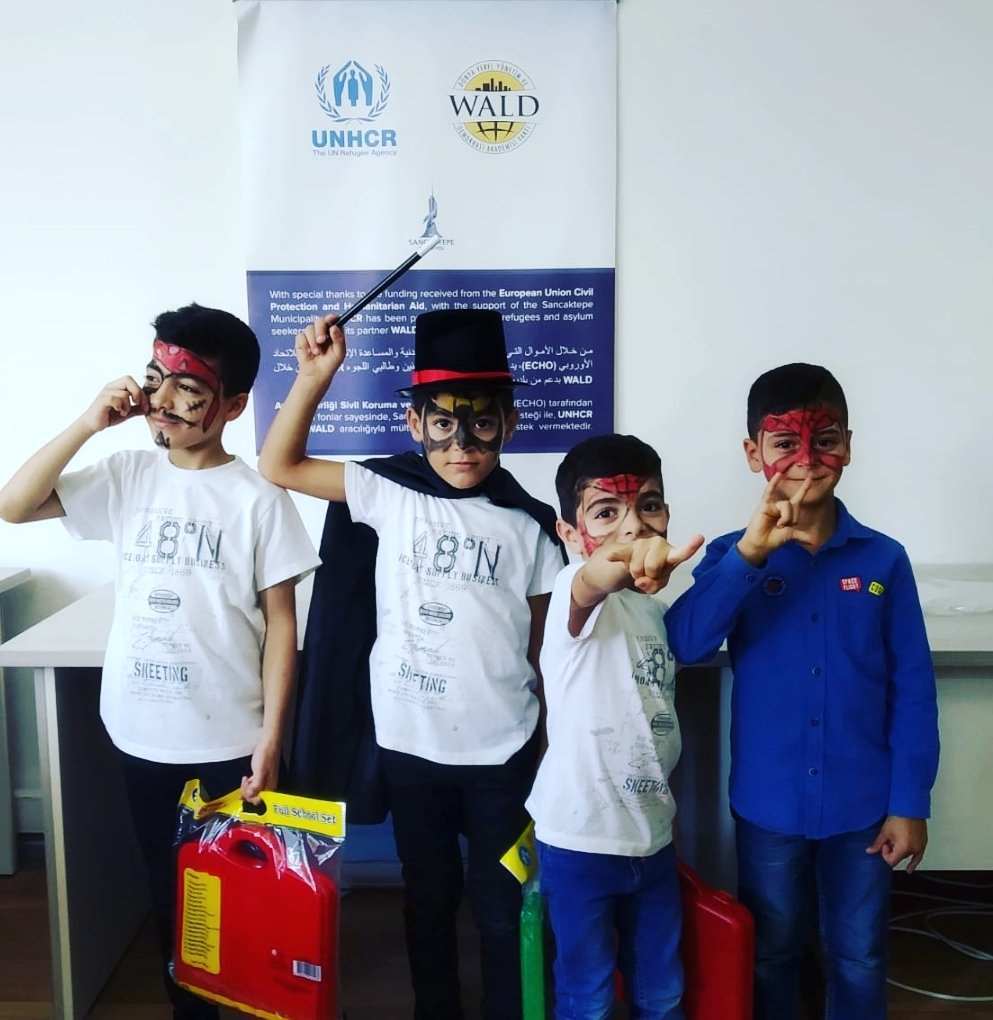
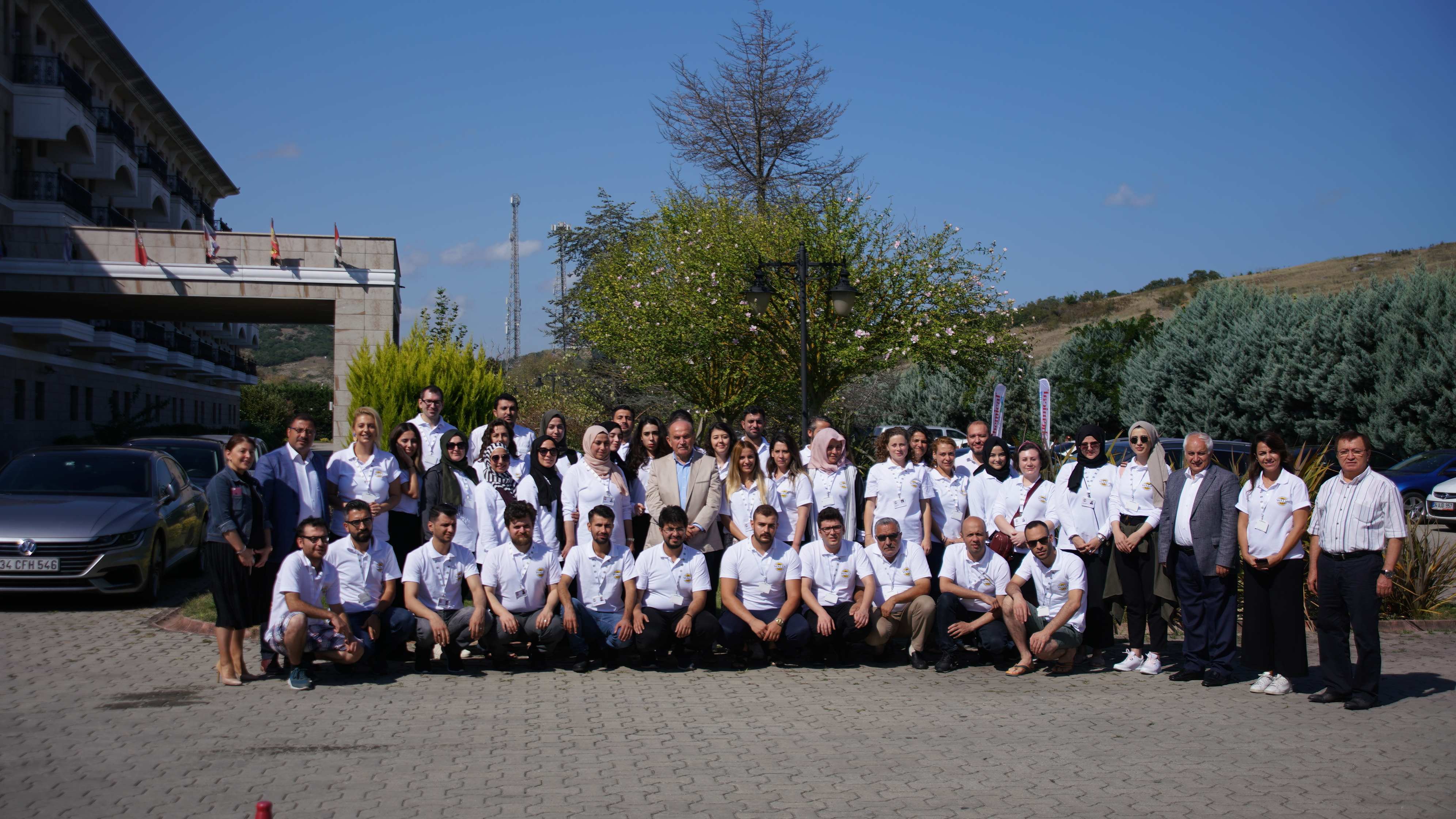
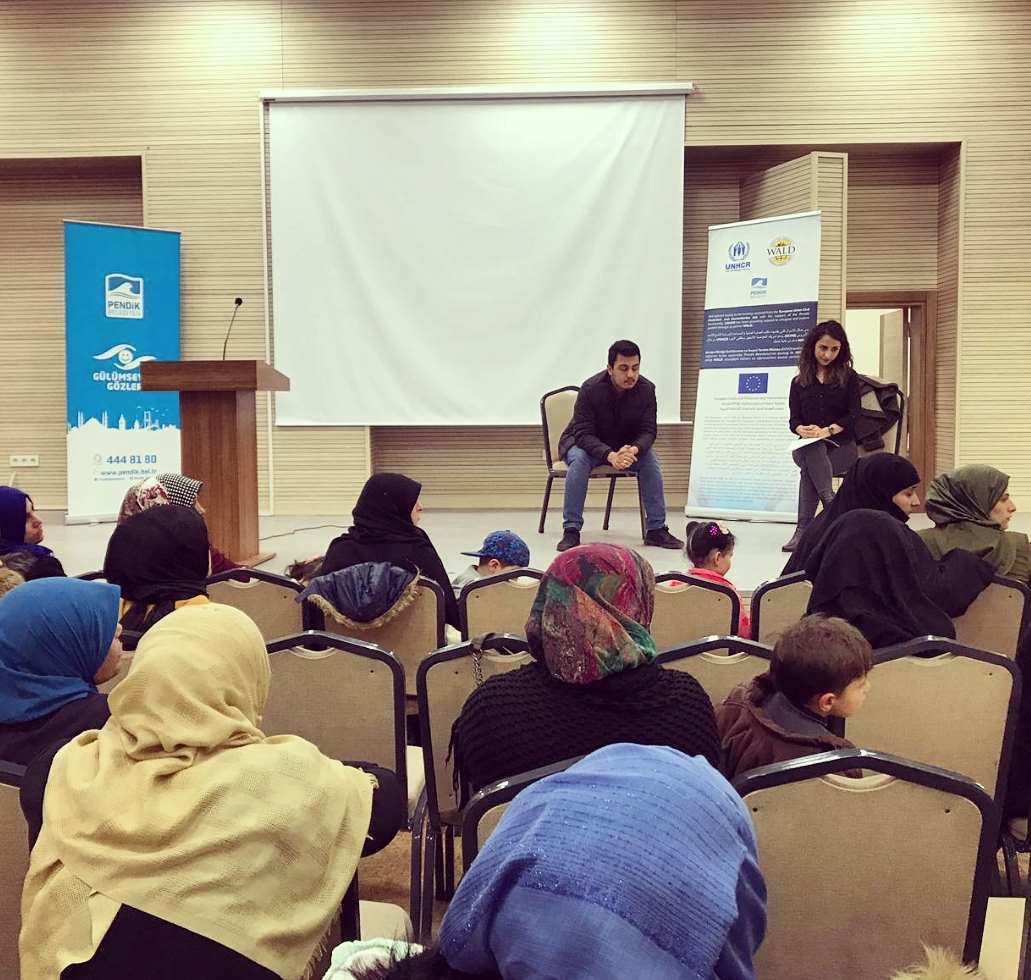
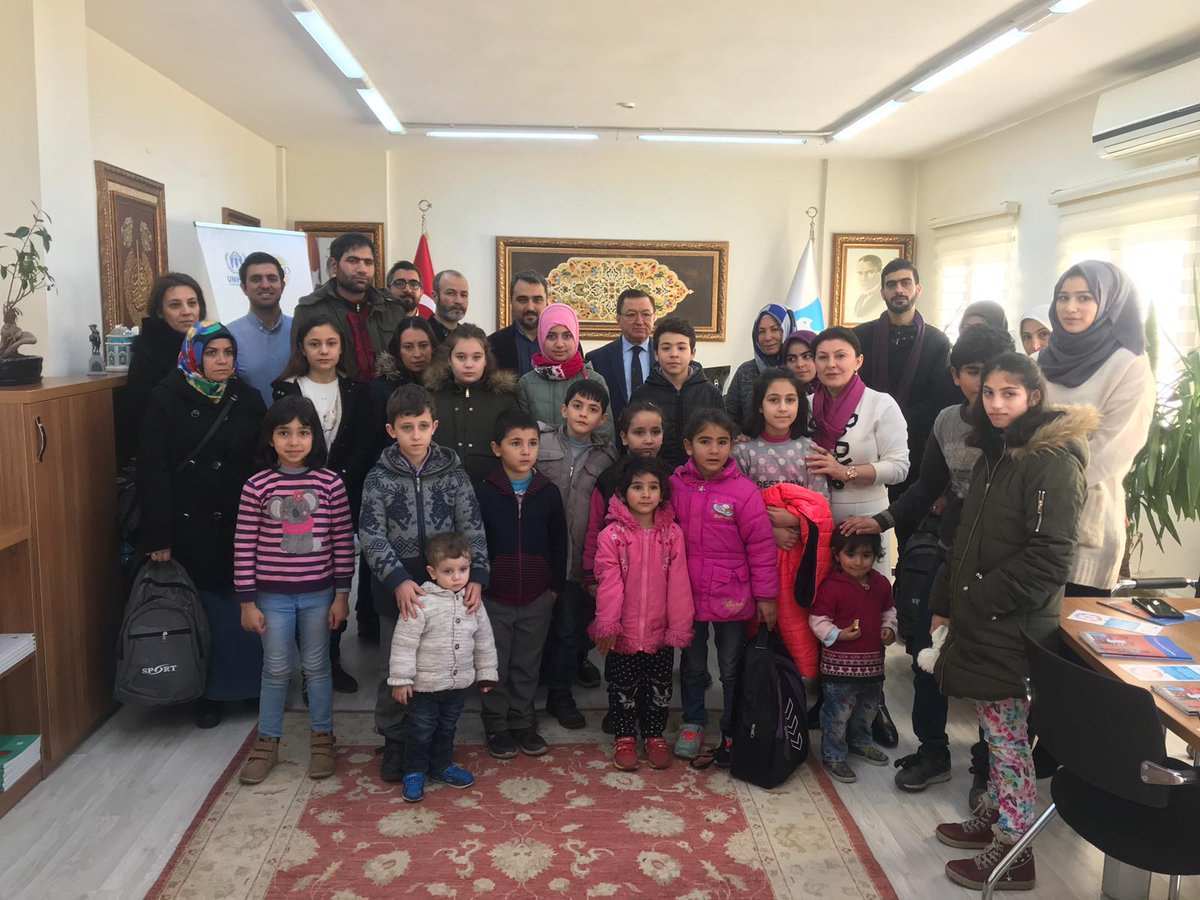
Within the framework of the social protection project carried out in cooperation with the World Academy for Local Government and Democracy (WALD), the United Nations High Commissioner for Refugees (UNHCR), and local governments, social cohesion activities in the field of child protection are continued without interruption. In this context, focus is placed on creating long-term and sustainable impacts through programs aimed at supporting children's psychological and emotional development, enabling them to step into a future built on firmer foundations.
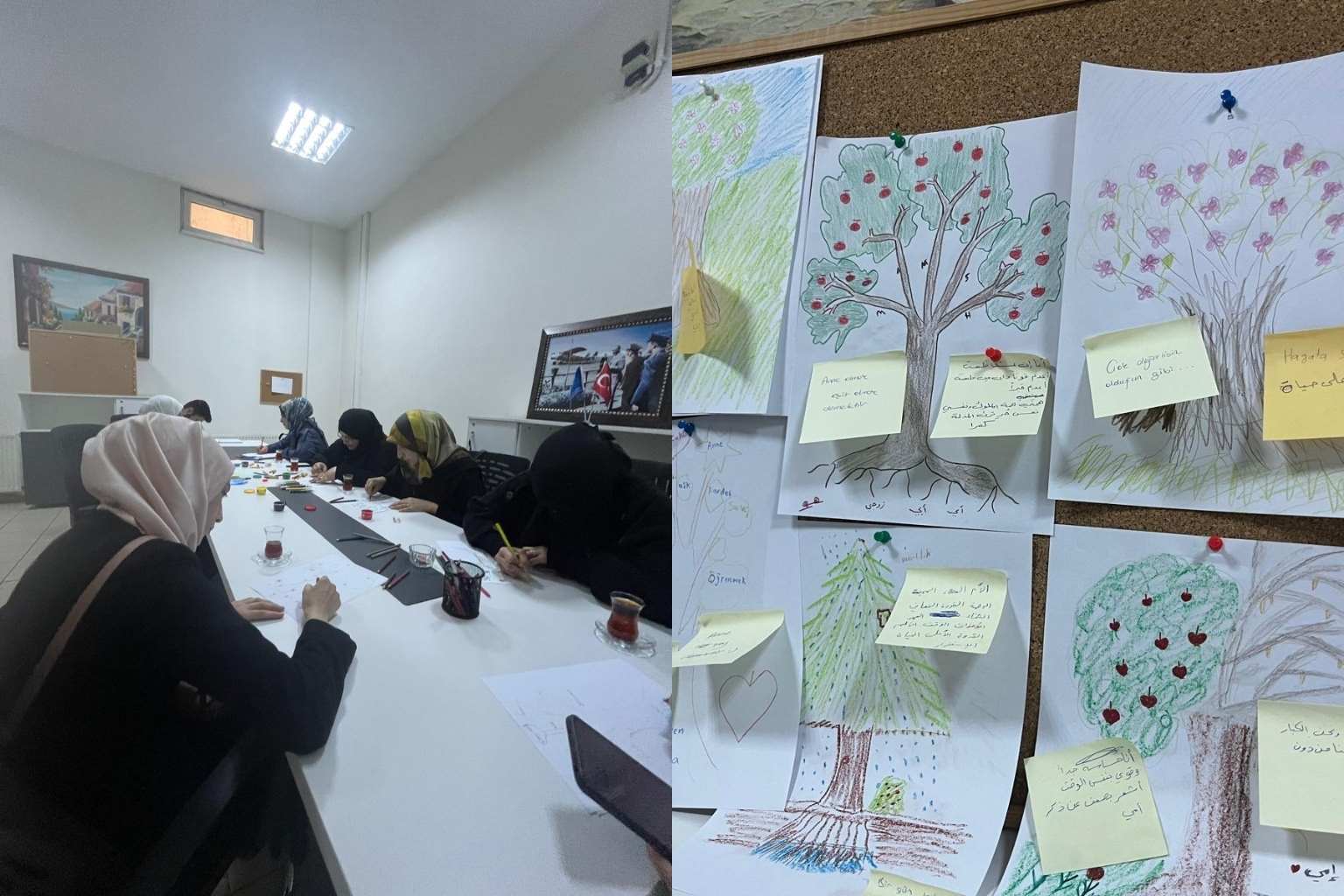
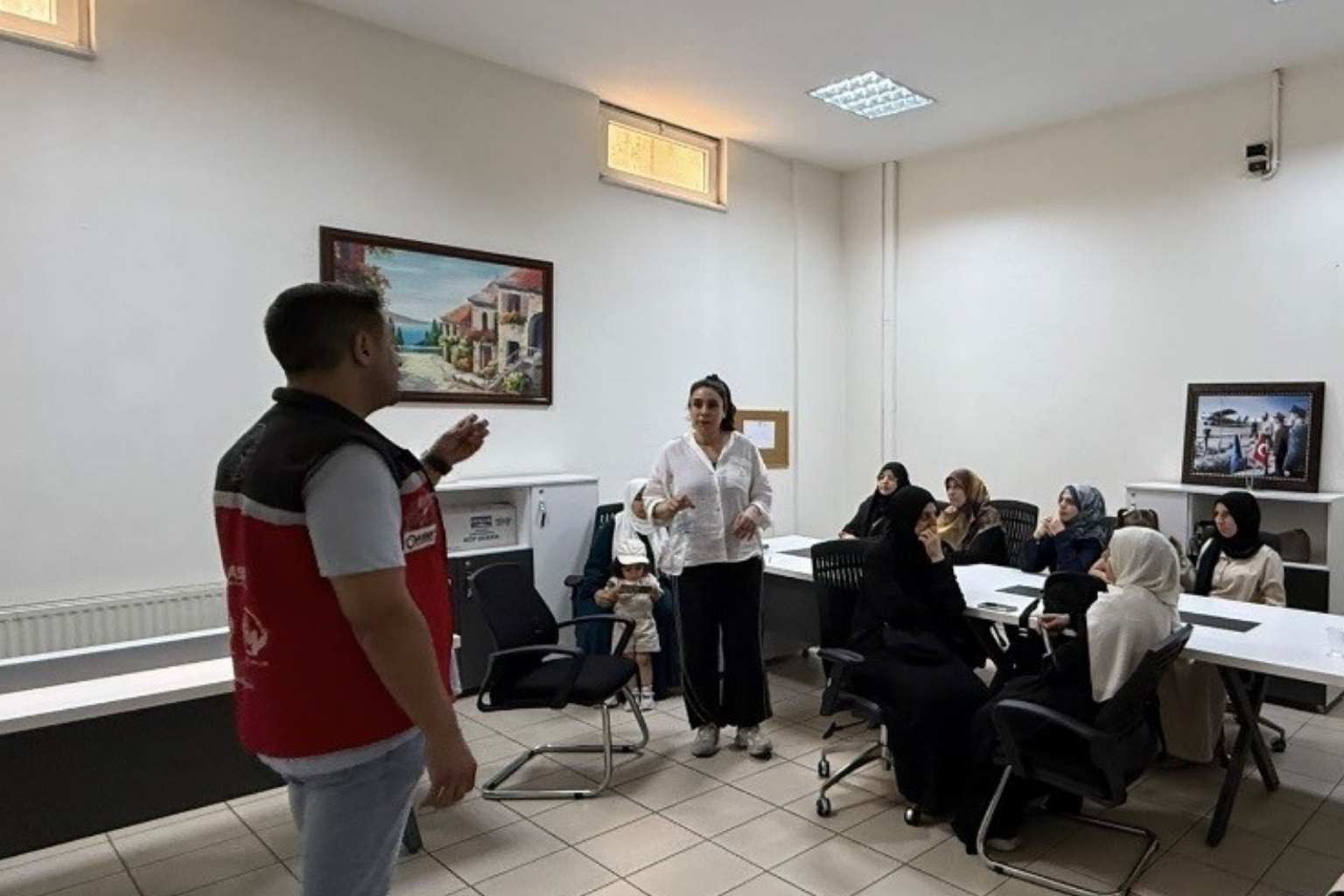
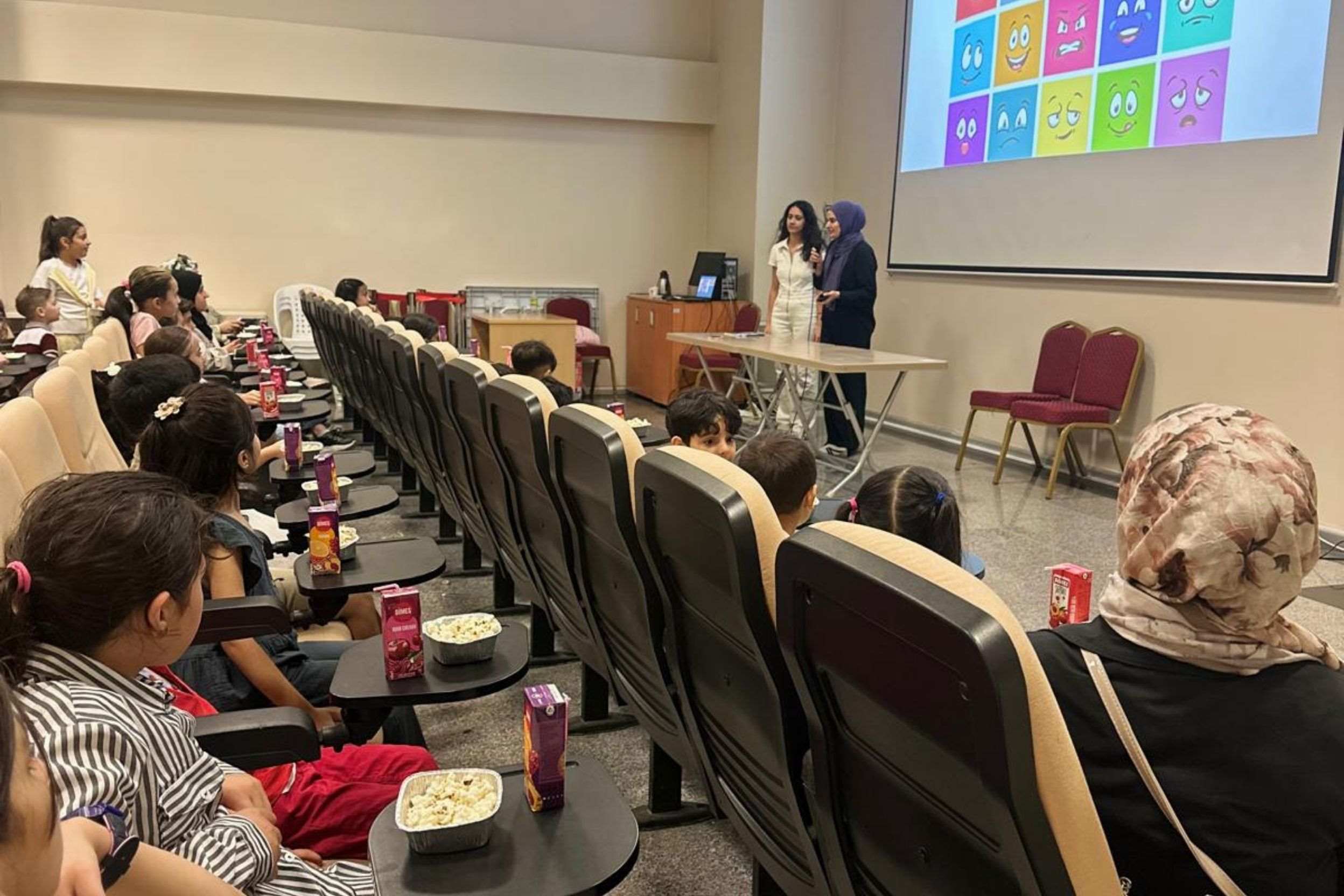
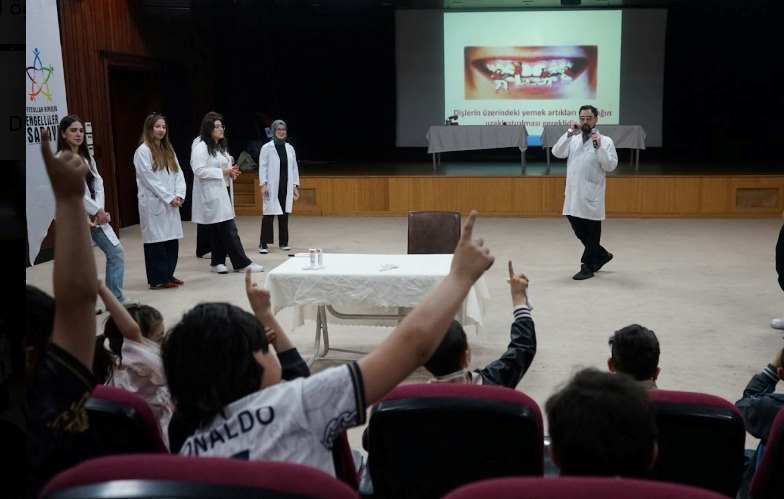
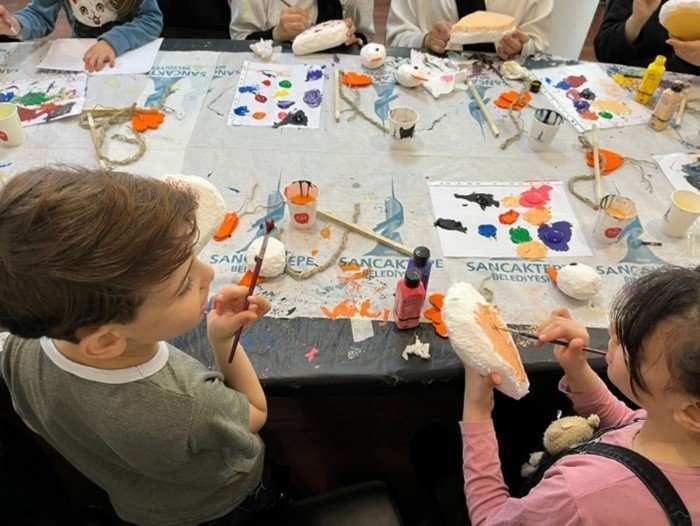
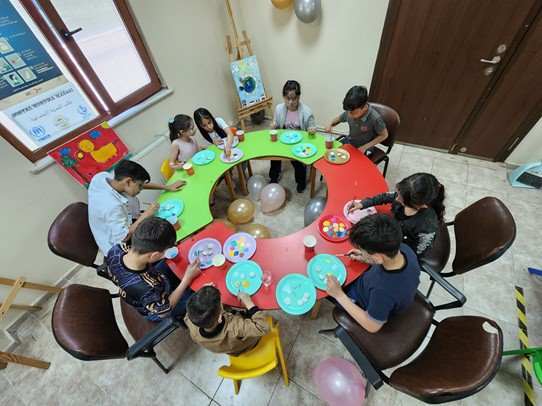
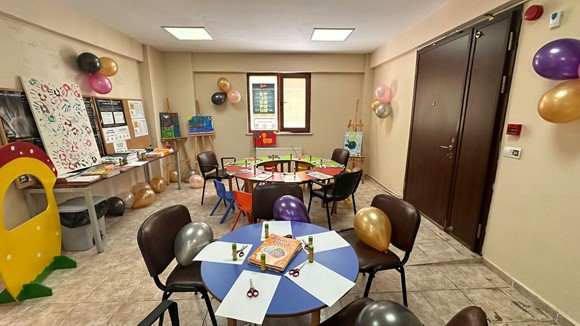
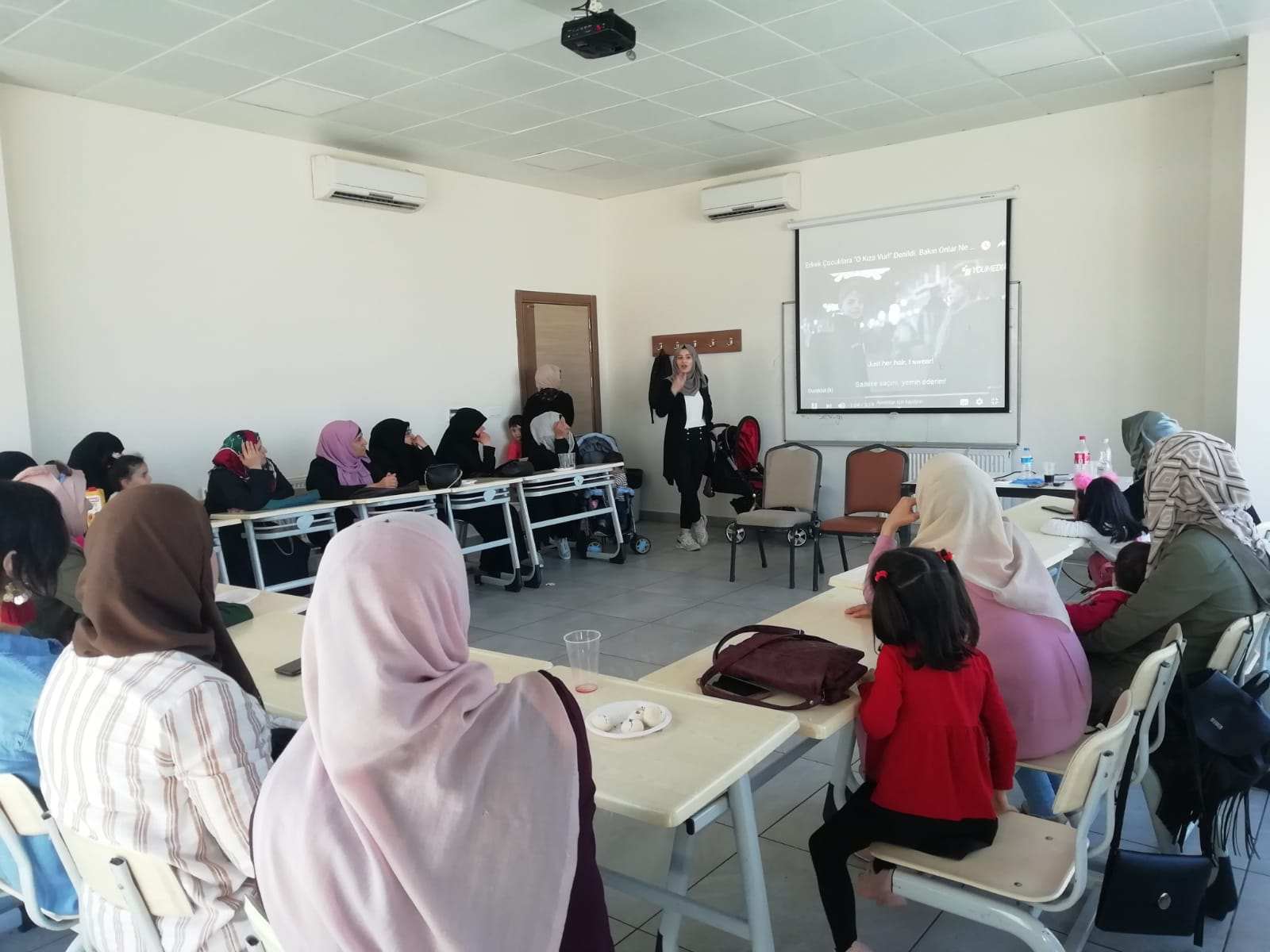
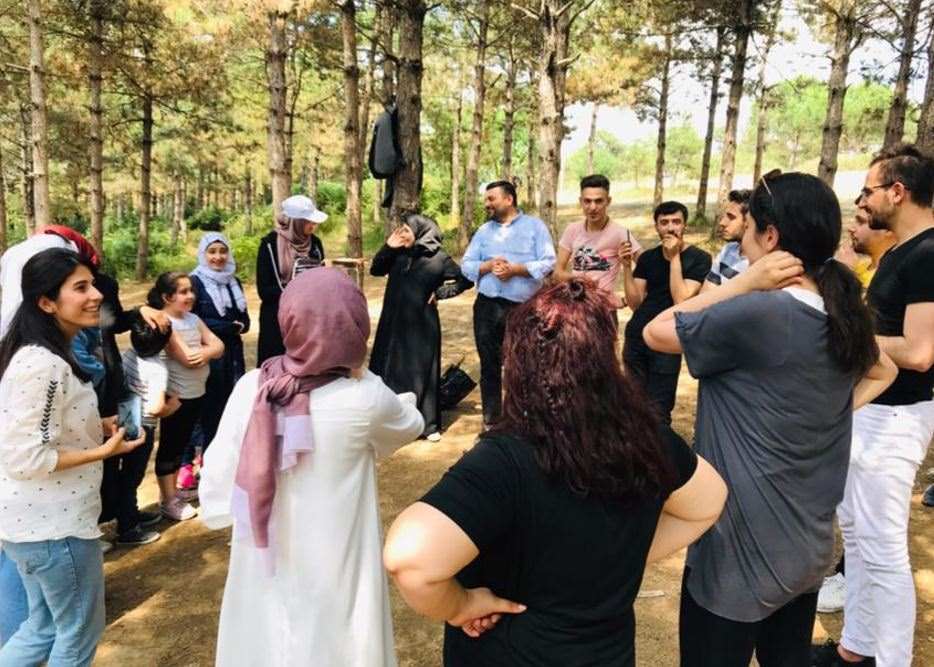
Through the Küçükçekmece and Kağıthane Urban Adaptation Units, WALD organized a workshop themed "Child Rights, Respect for Diversity, and Discrimination" for children aged between 7 and 14. Thanks to the workshop, the development of children's social consciousness and greater awareness regarding their rights were ensured.
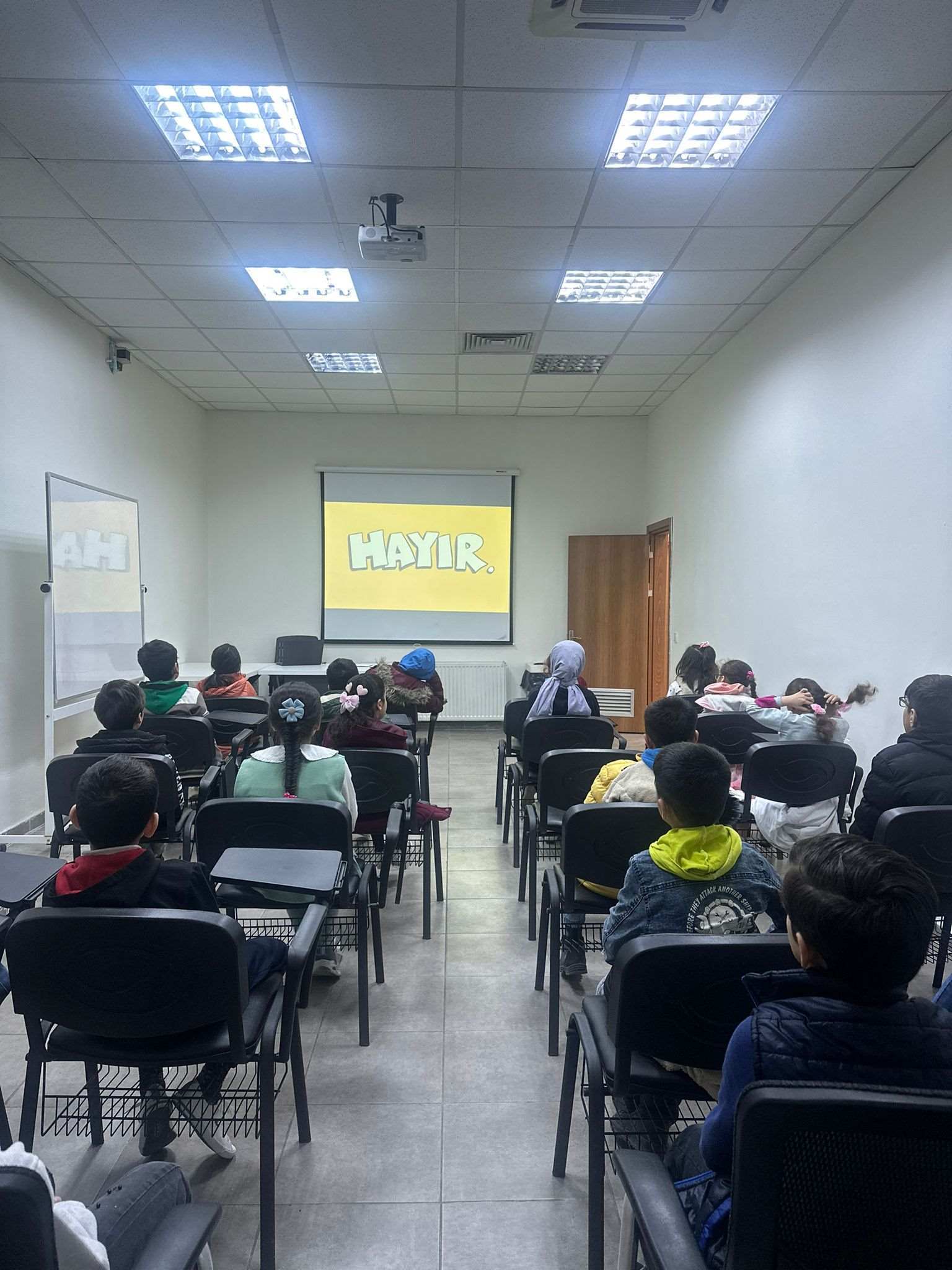
During the event, children's acquaintance with one another and adaptation to the group environment were supported. By showing a photograph of an excluded child, participants were encouraged to reflect on "discrimination," "exclusion," and recognizing our "similar/different" characteristics. Participants were posed questions such as, "How would a child excluded from a peer group feel?", "Are there children excluded from peer groups due to their differing characteristics?", and "What needs to change for a child excluded from a peer group to be included in the group?" Those wishing to answer were given the floor, and ideas were exchanged on these questions. Child participants drew inferences regarding the photograph of the excluded child and interpreted the issues of exclusion and discrimination through their own experiences within their social environments, particularly at school. As a result of sharing experiences of discrimination, information was shared regarding institutions and organizations that children exposed to discrimination in their social environments can apply to when facing such situations.
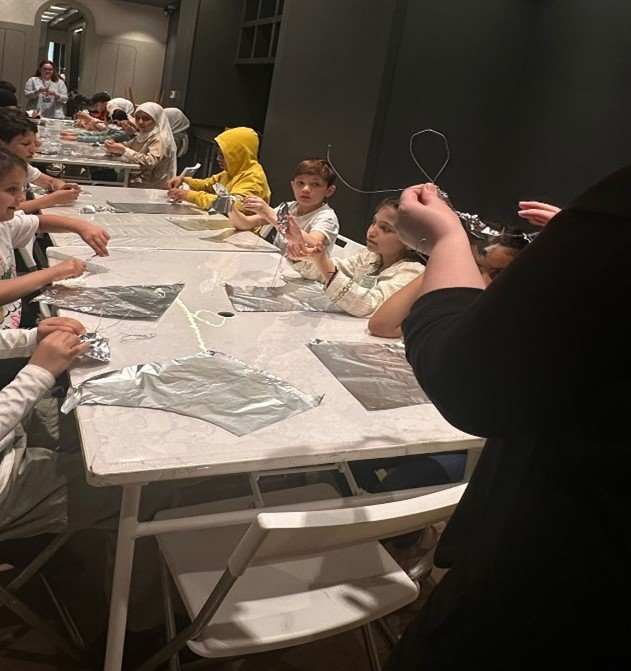
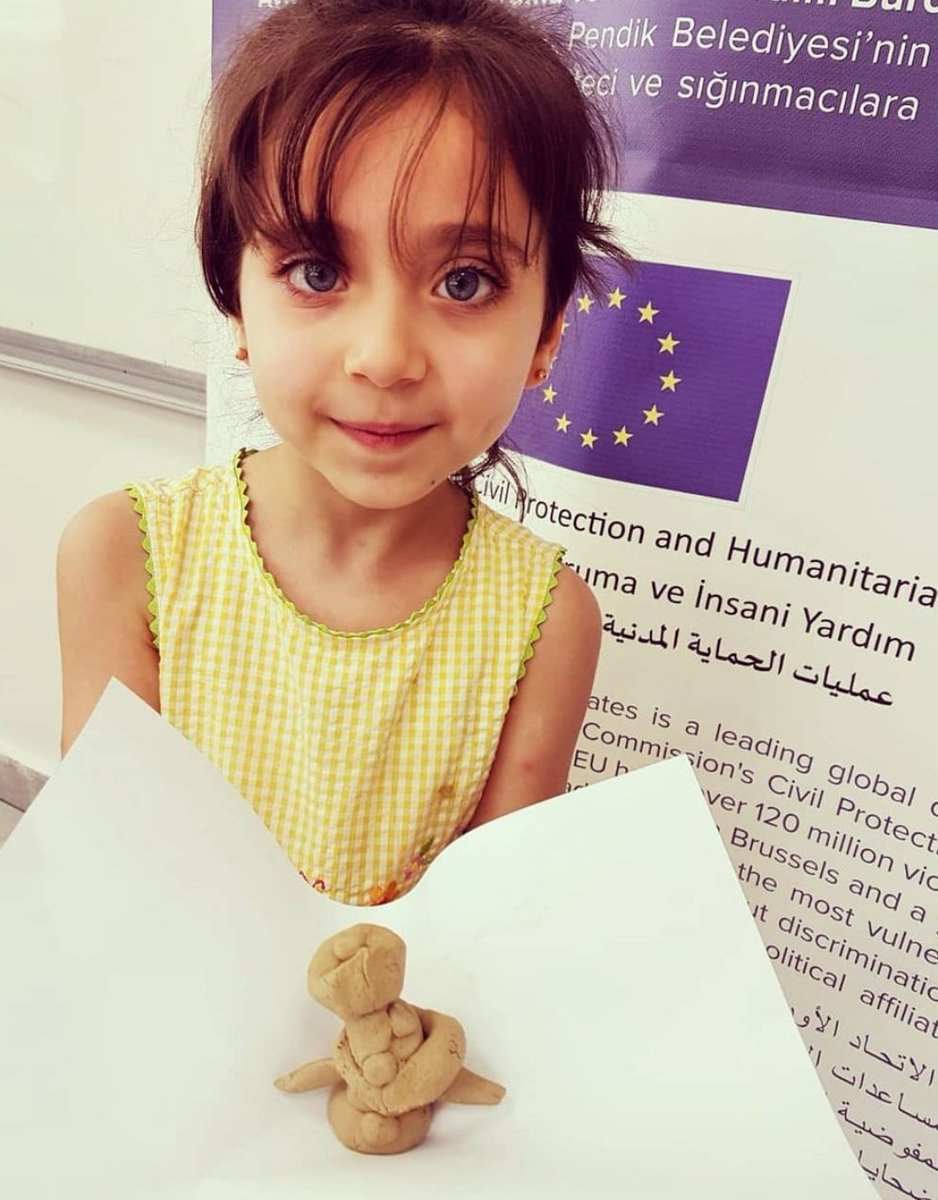
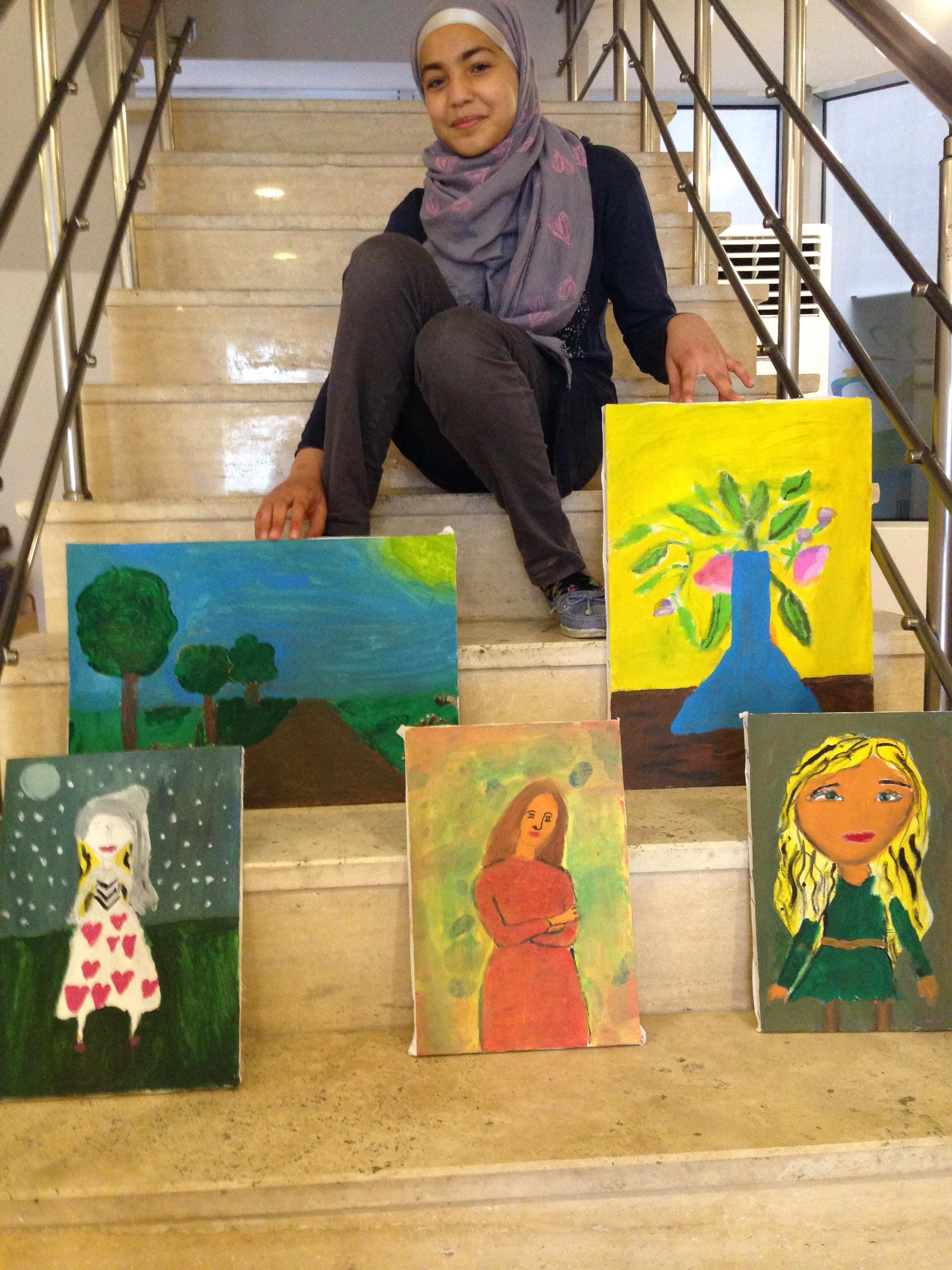
Through various workshops conducted, it was emphasized that people possess different characteristics and abilities, that we share many traits we enjoy or do not enjoy doing together, that these traits do not pose an obstacle to friendship relations among children, and that every individual is special and unique.