Healthy eating habits acquired during childhood play a significant role in shaping subsequent periods of life and preventing problems that may arise in later years. Research has demonstrated that students with inadequate and unbalanced nutrition experience shortened attention spans, decreased perception, learning difficulties, and behavioral disorders, alongside longer school absenteeism and lower academic success.
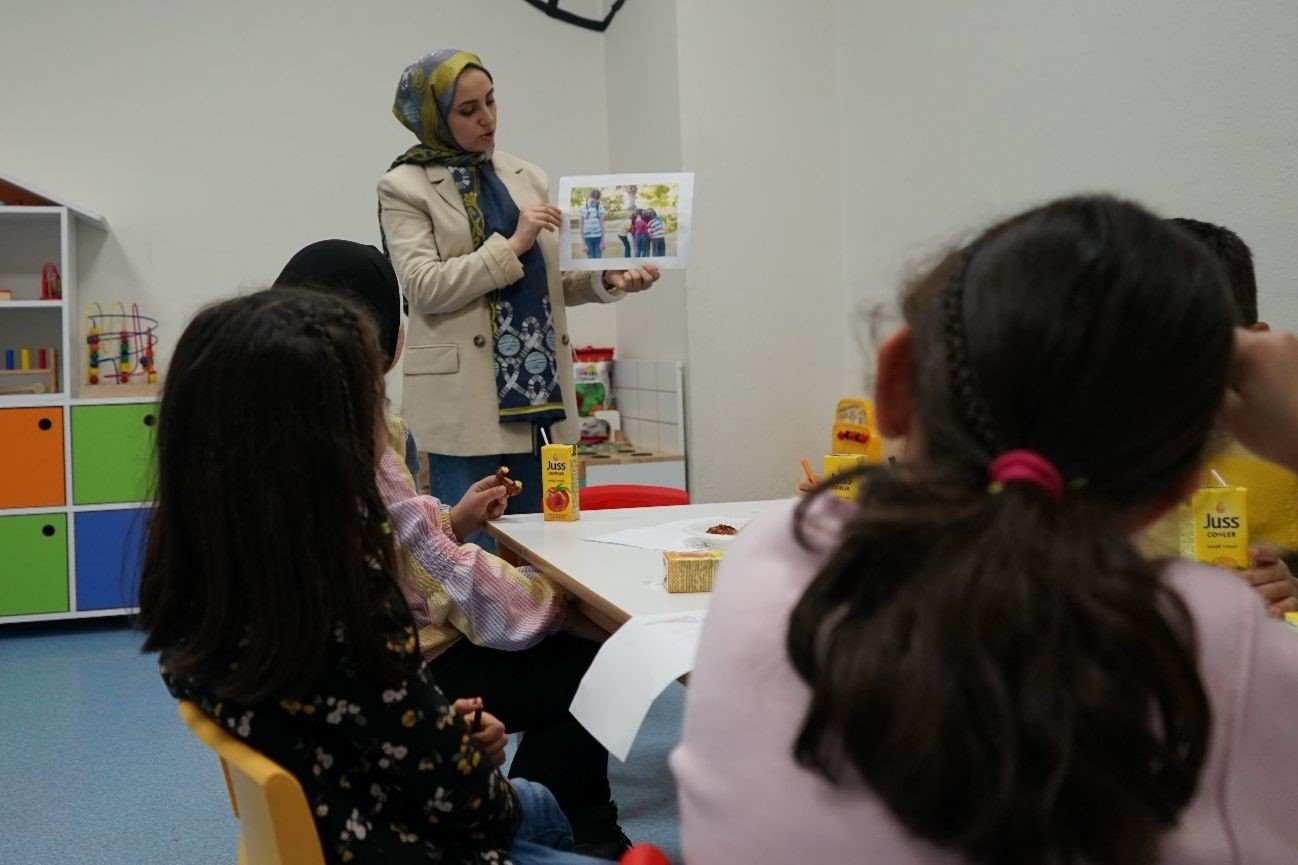
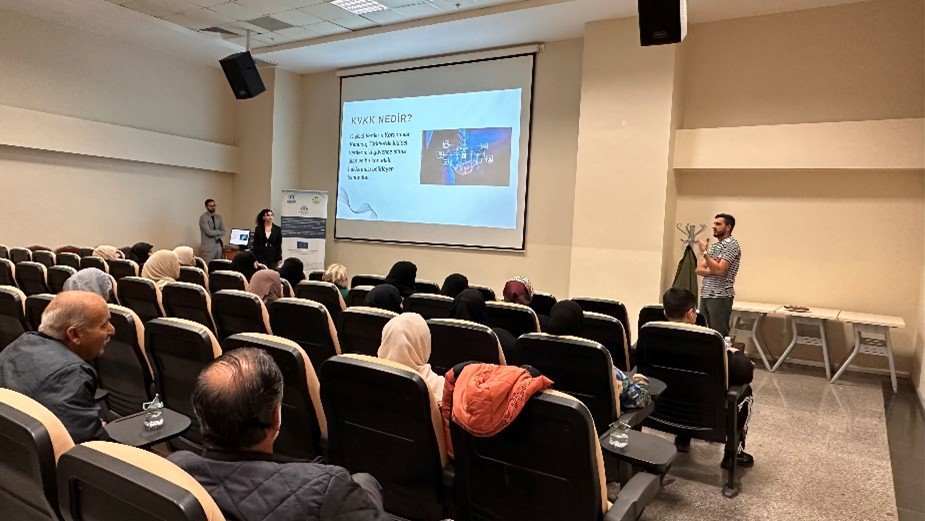
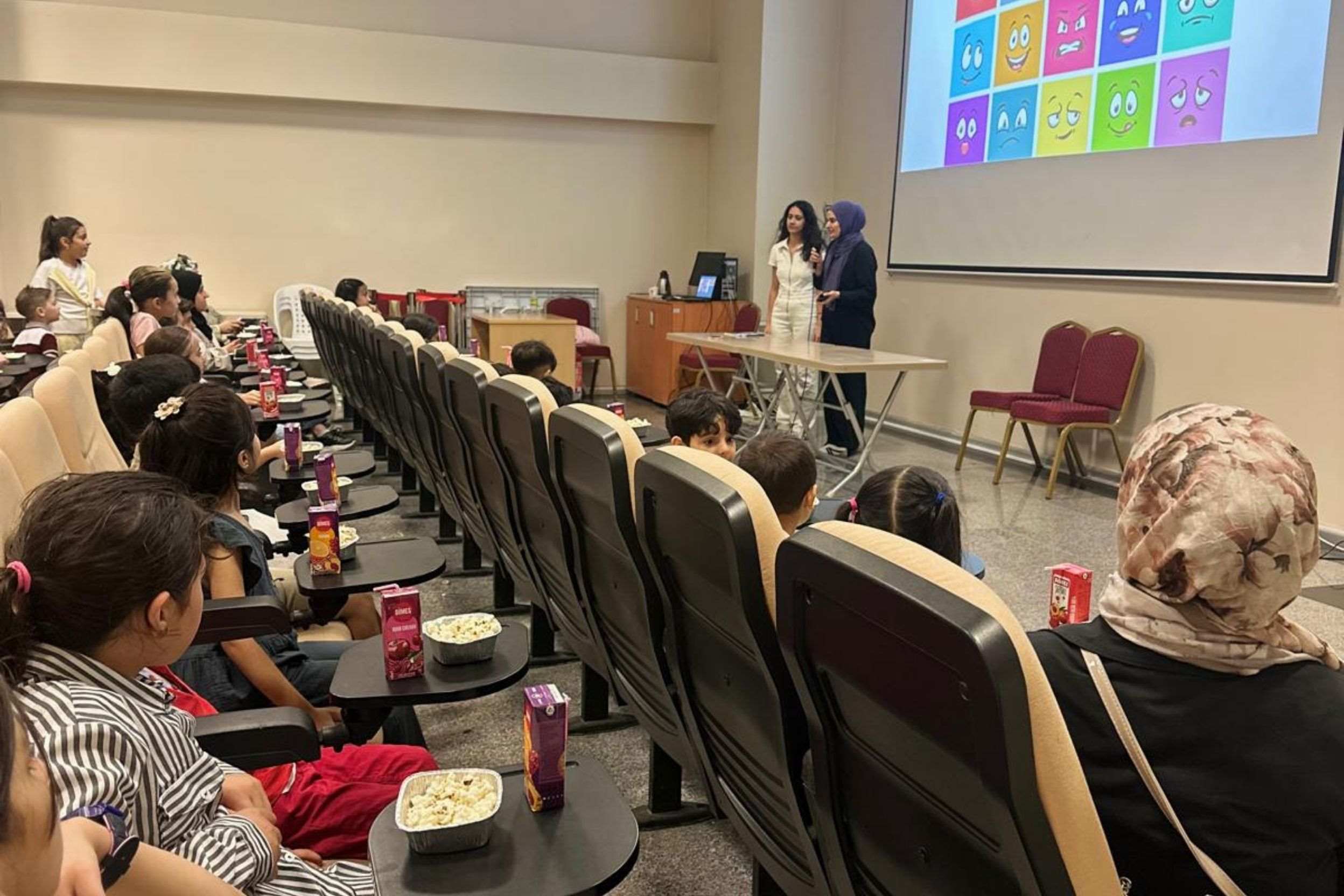
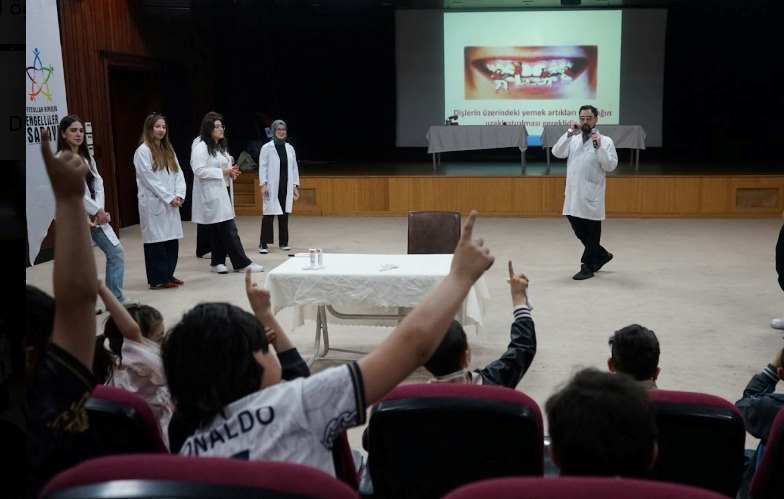
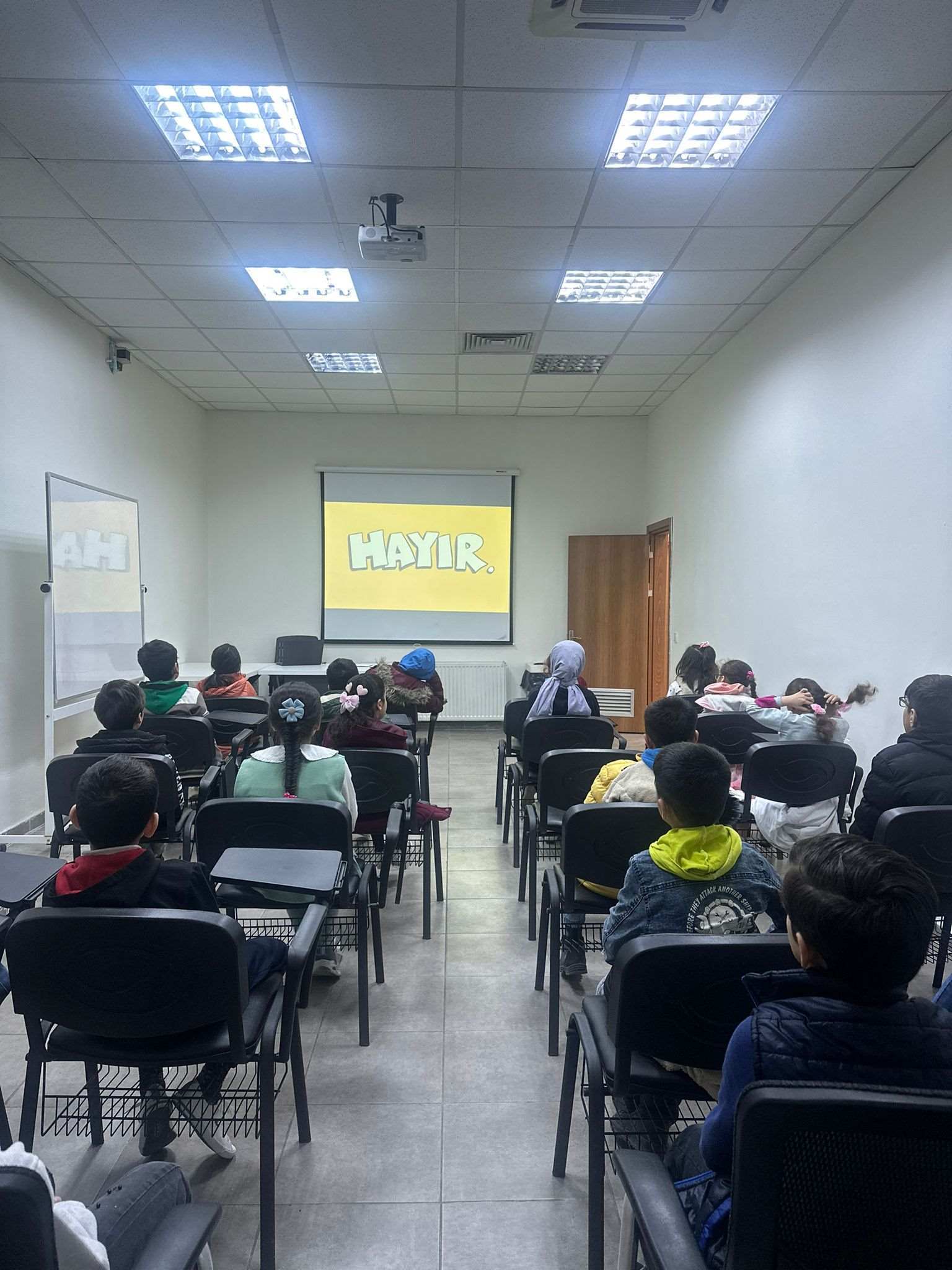
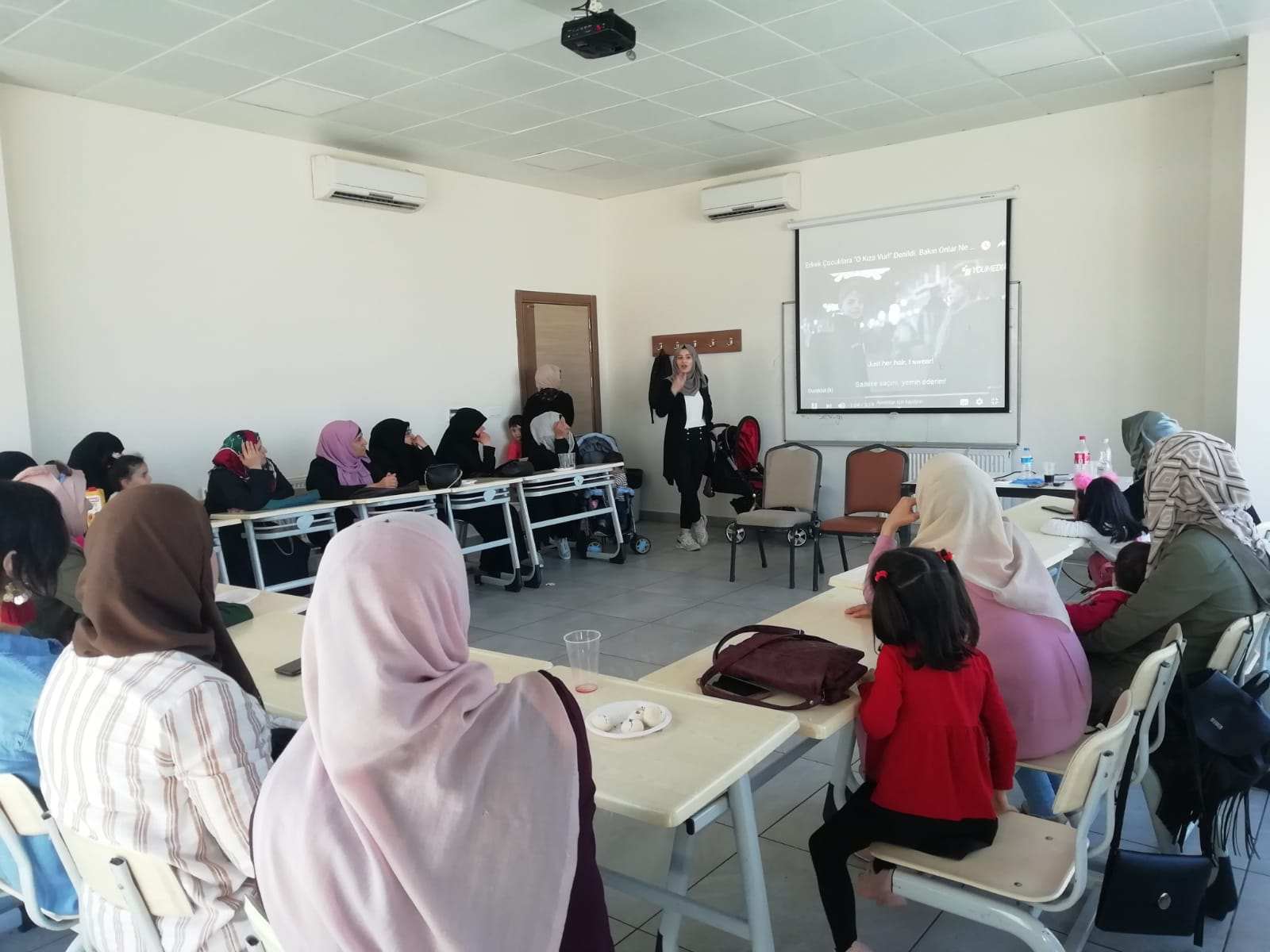
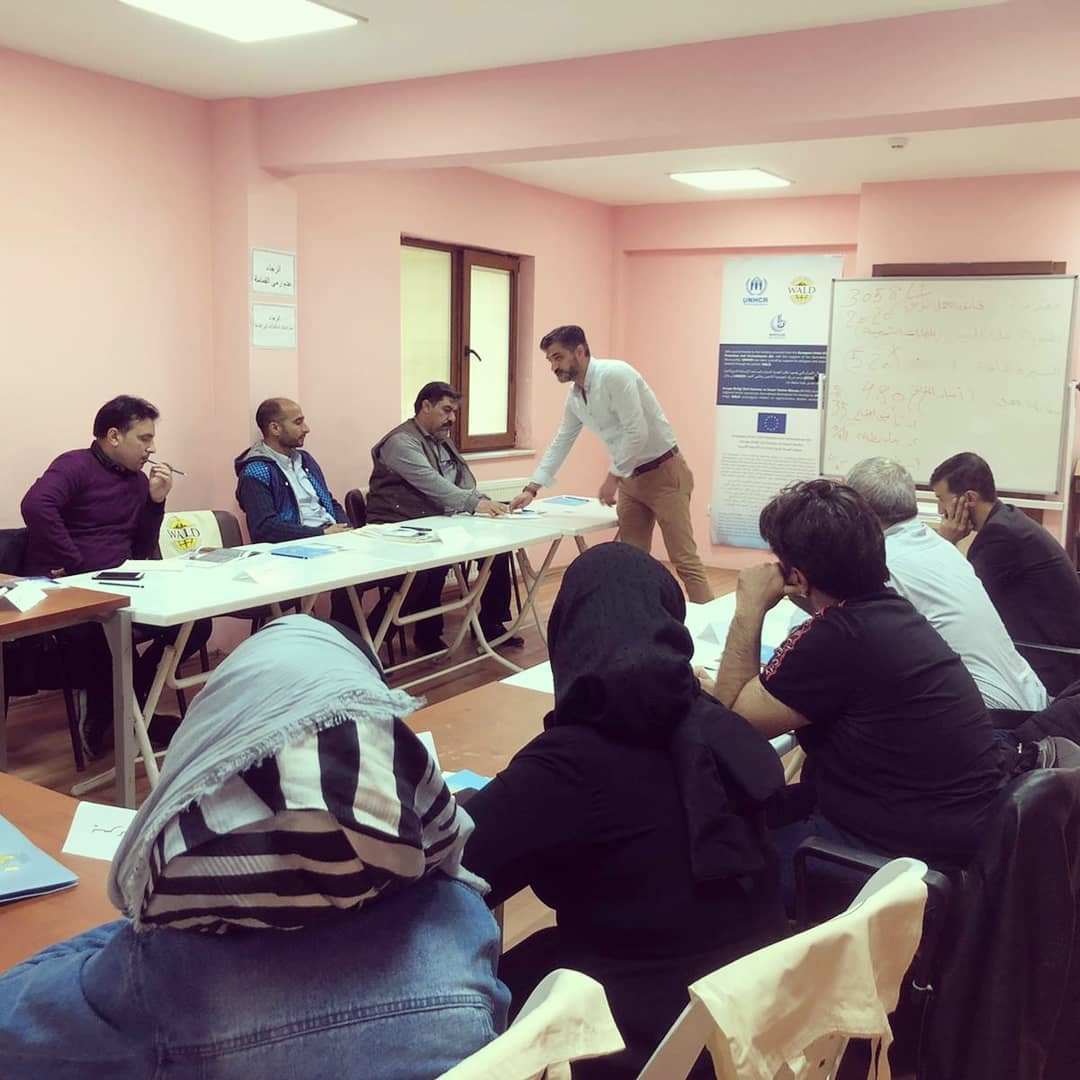
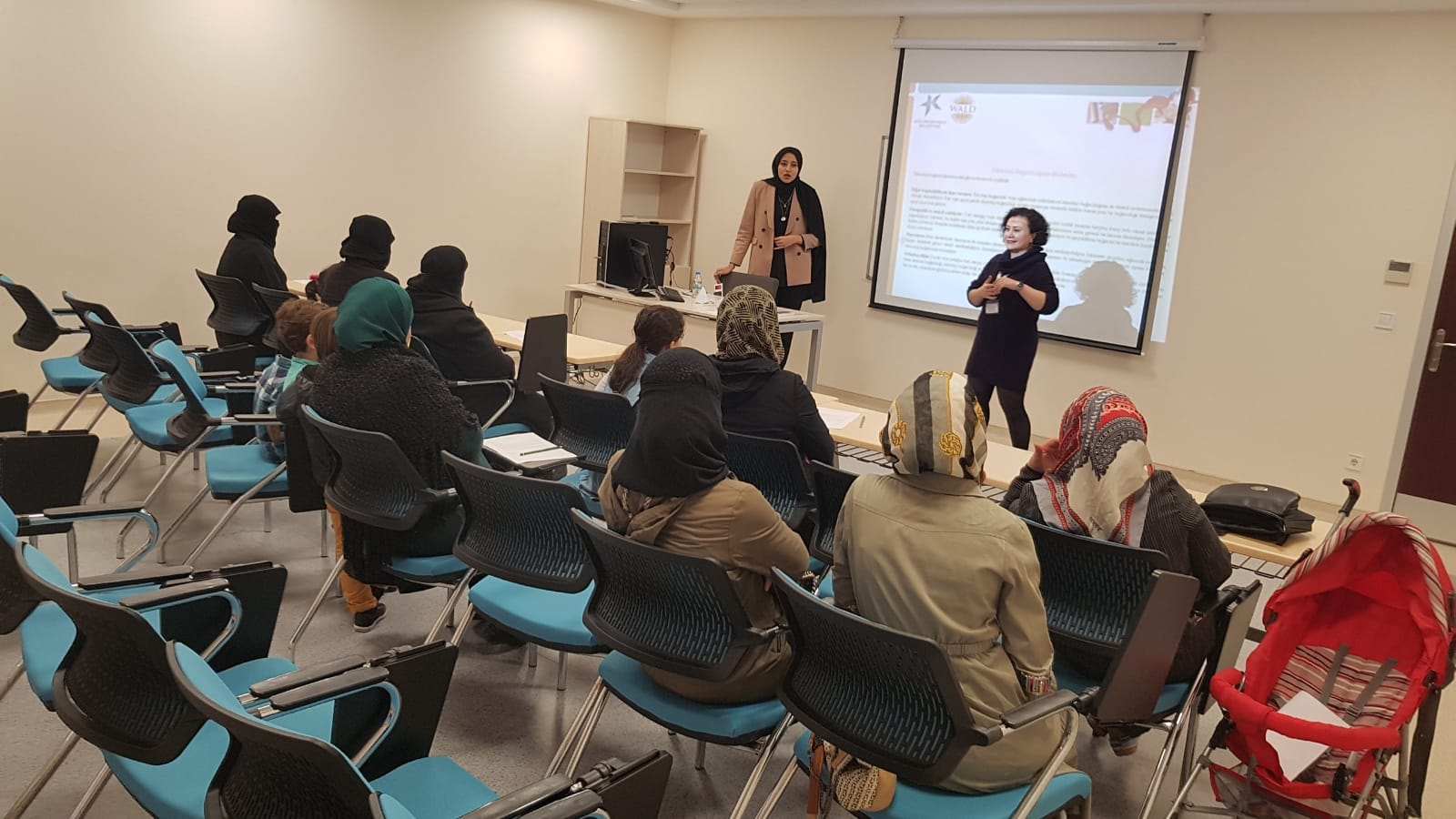
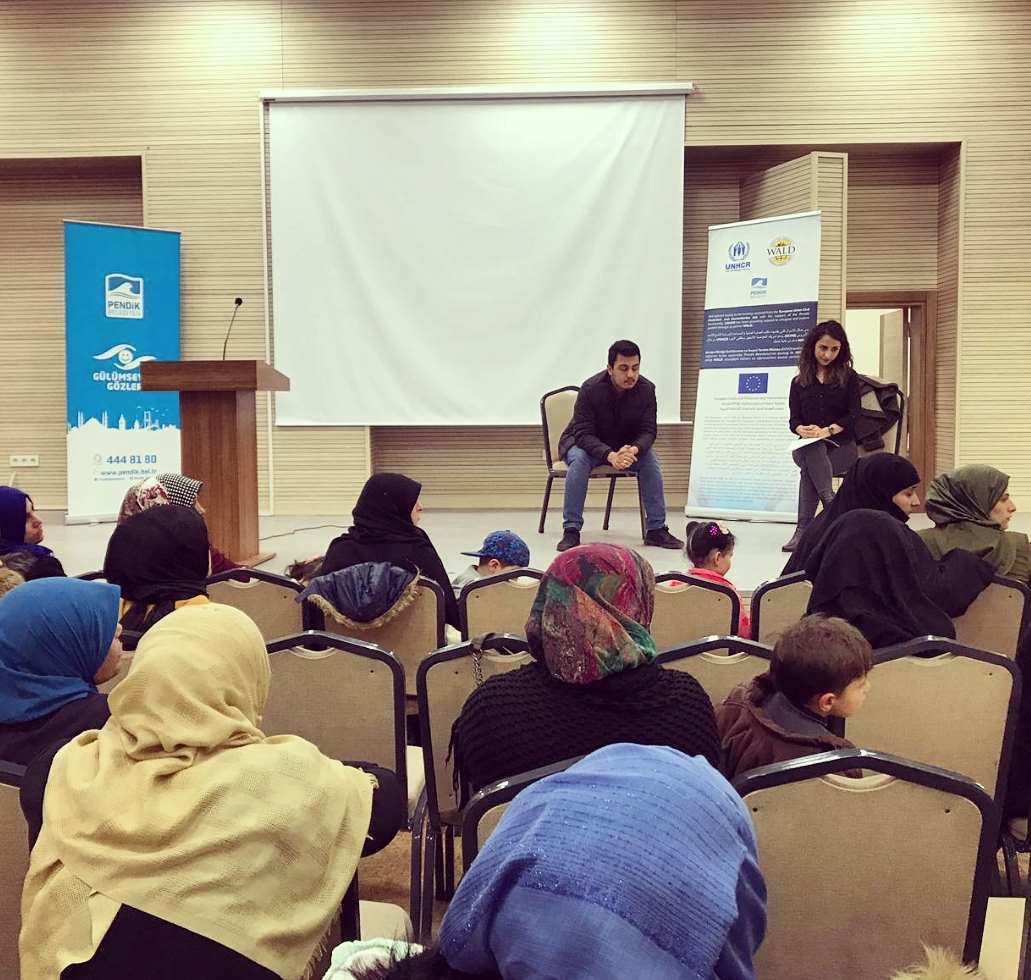
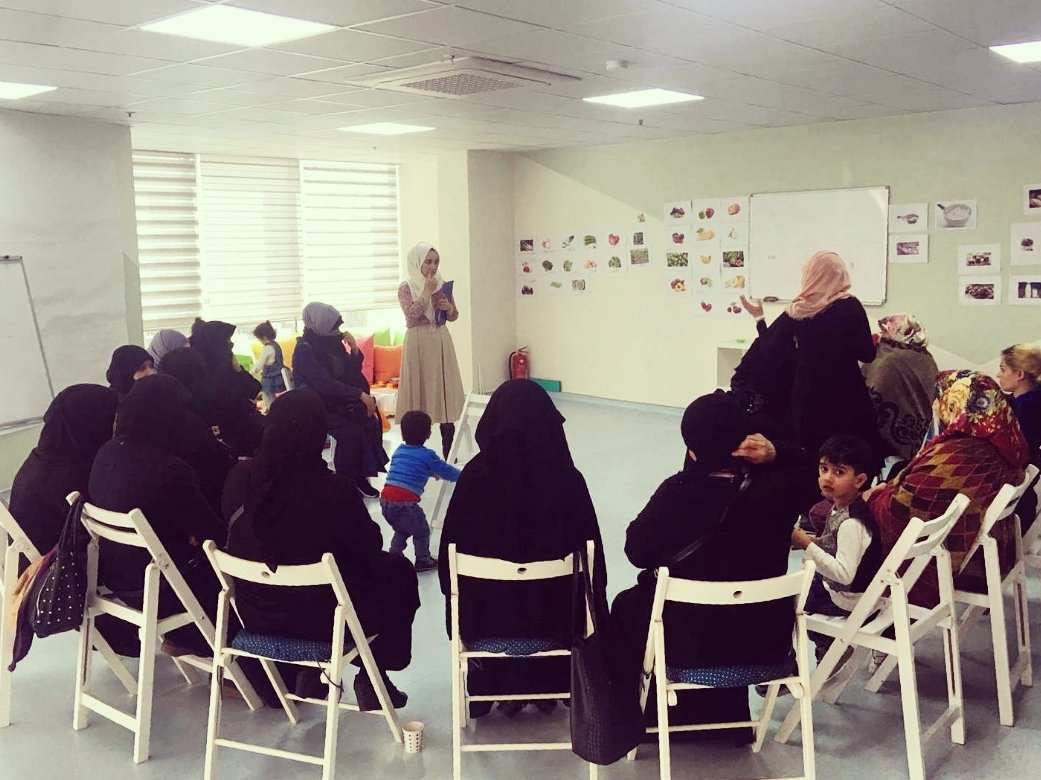
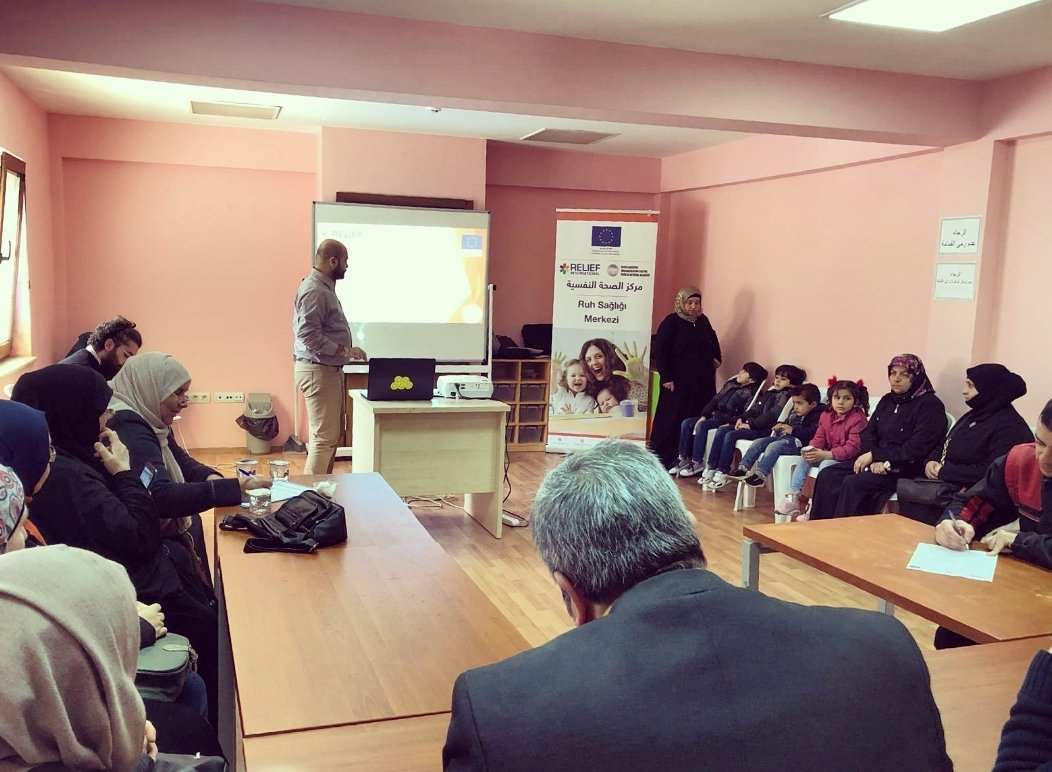
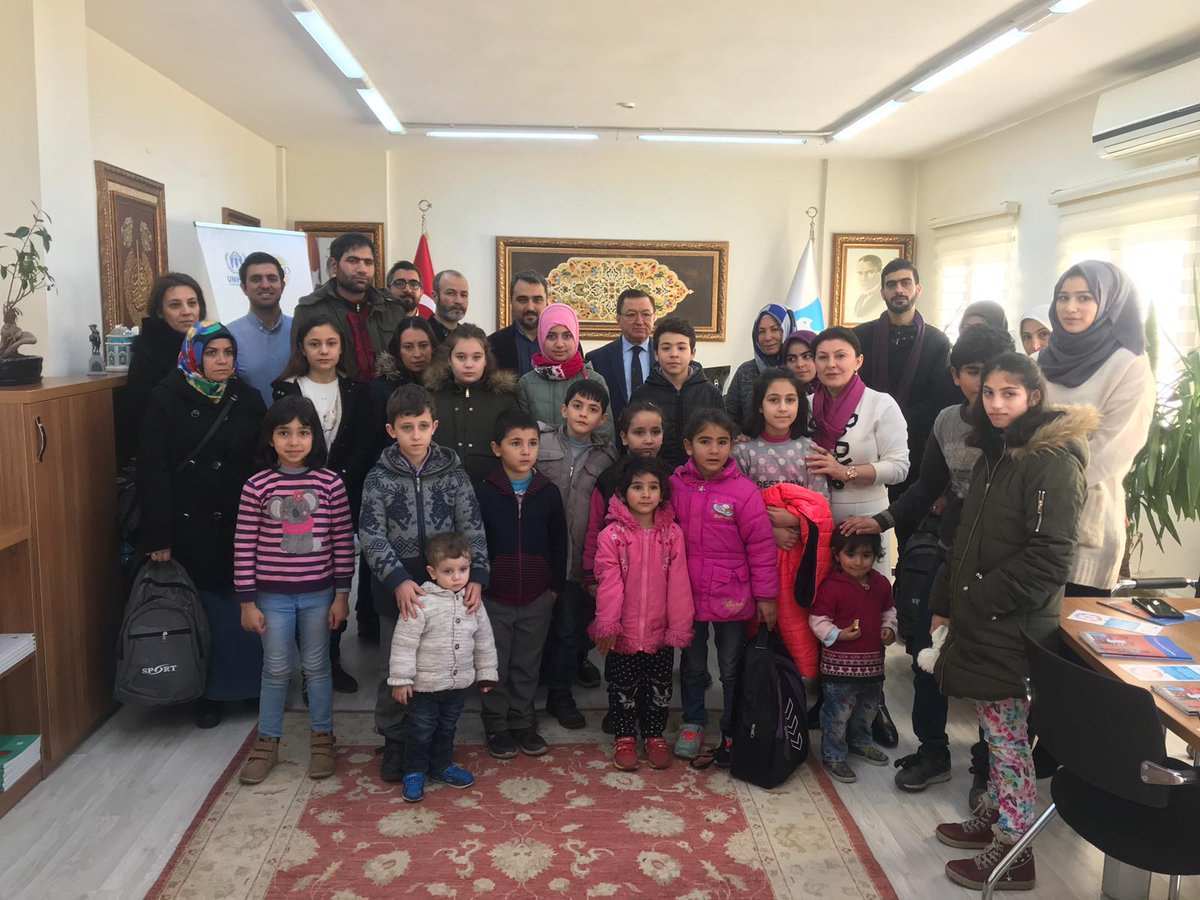
As WALD, various events were organized on the occasion of April 7 World Health Day. First, under the leadership of the Sultangazi Social Protection Desk, "Healthy Nutrition Education for Children" was organized with the aim of ensuring parents acquire knowledge on how to achieve adequate and balanced nutrition under current conditions, in order to identify nutritional mistakes made during preschool and school-age periods and to ensure healthy growth. During the training, healthy nutrition and lifestyle recommendations were shared with parents to help children lead healthy, active, and more productive lives. It was emphasized that regular activities performed by children during this period ensure the development of a healthy physical structure while also reducing the risk of developing many chronic diseases later in life when combined with healthy nutrition.
Asylum-seeking and refugee women, on the other hand, encounter problems such as nutritional disorders, respiratory tract infections, physical and sexual violence, unwanted pregnancies, risk pregnancies, miscarriages, birth complications, complications of chronic diseases, social exclusion, depression, anxiety disorders, sleep disorders, and post-traumatic stress disorder. Furthermore, refugee women in particular face difficulties in accessing services in this field, such as low awareness and experience among health workers in the host country regarding the needs of these groups, language barriers, cultural barriers, low awareness regarding health services, fees for services, inability to prove identity, and administrative and legal barriers.
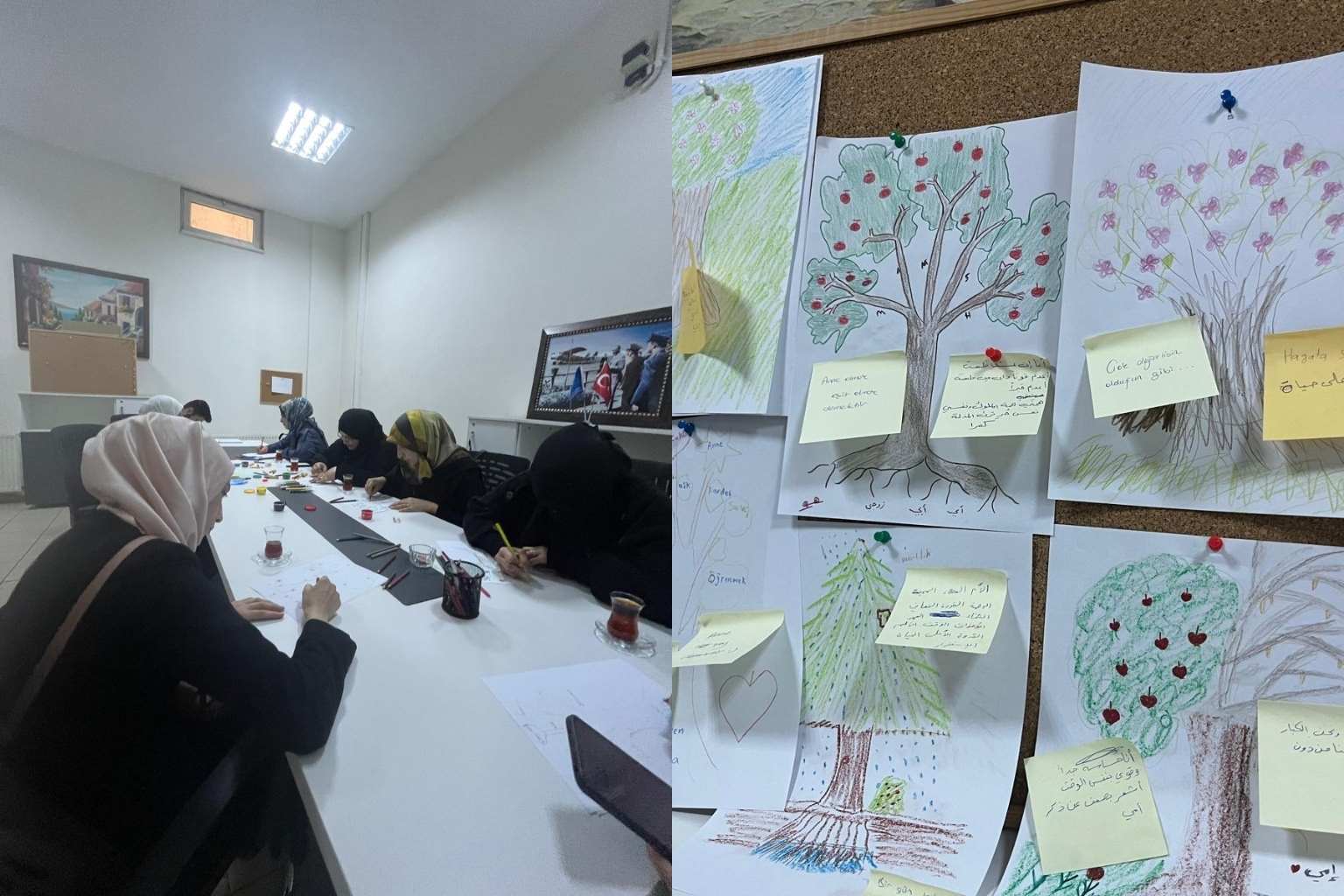
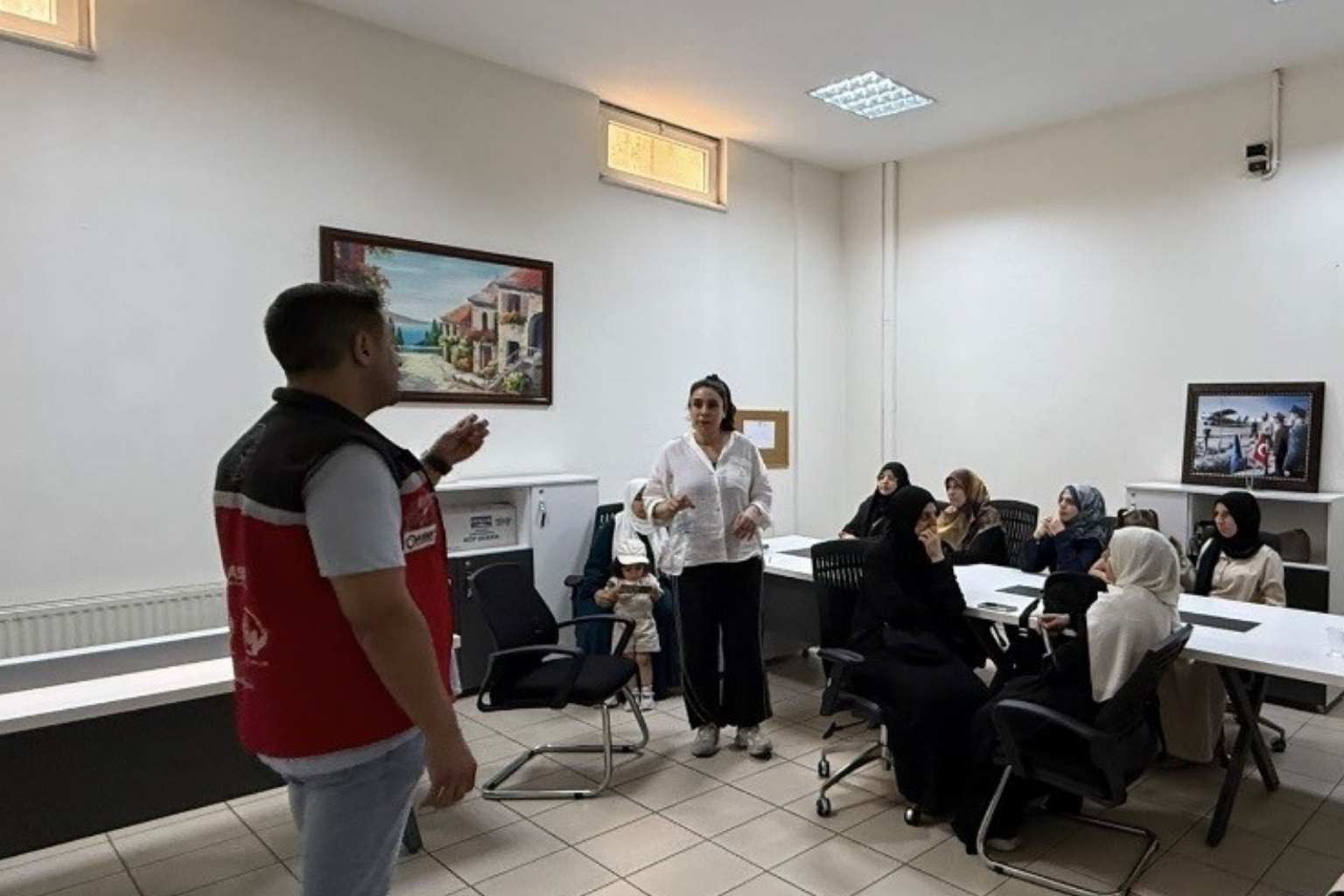
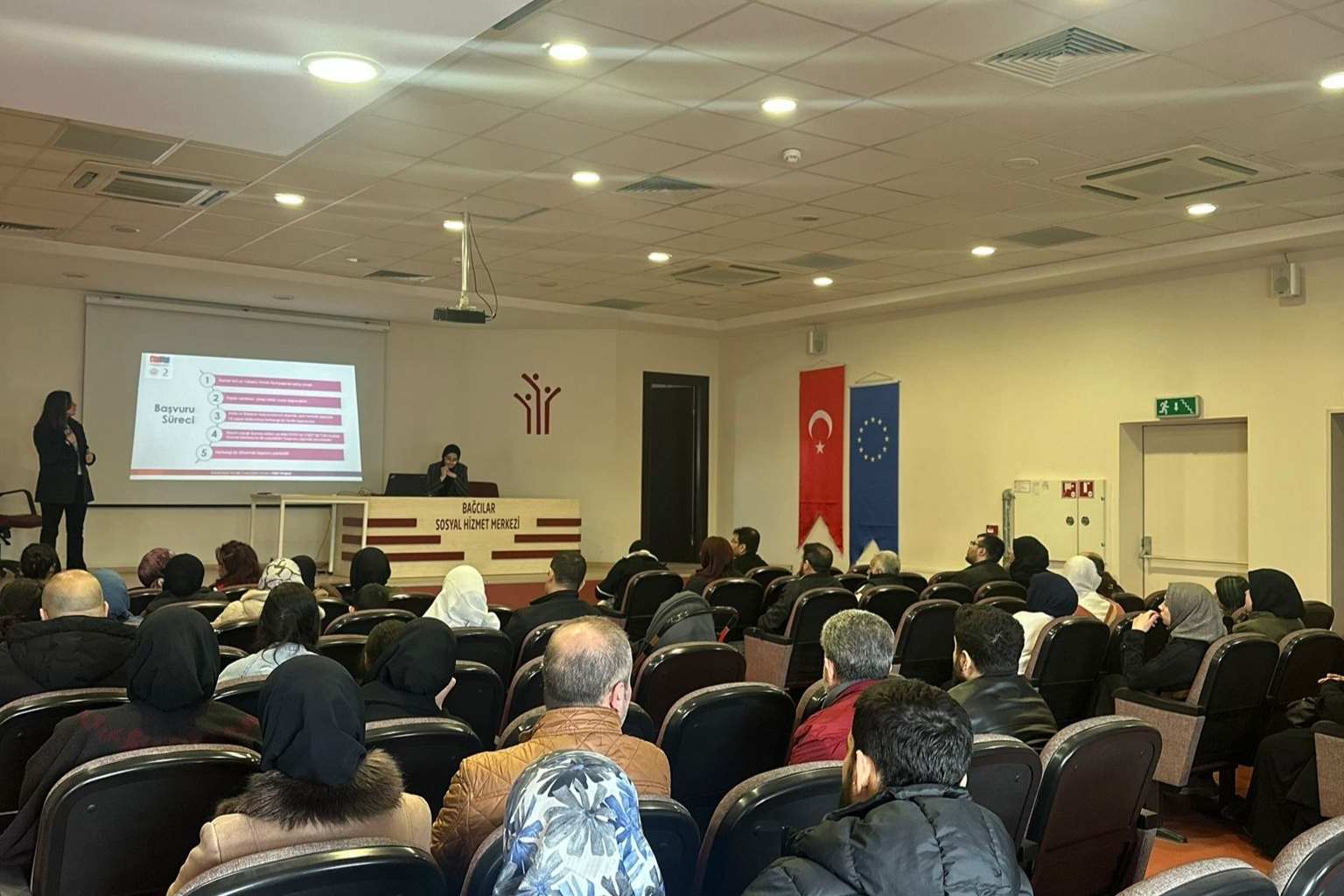
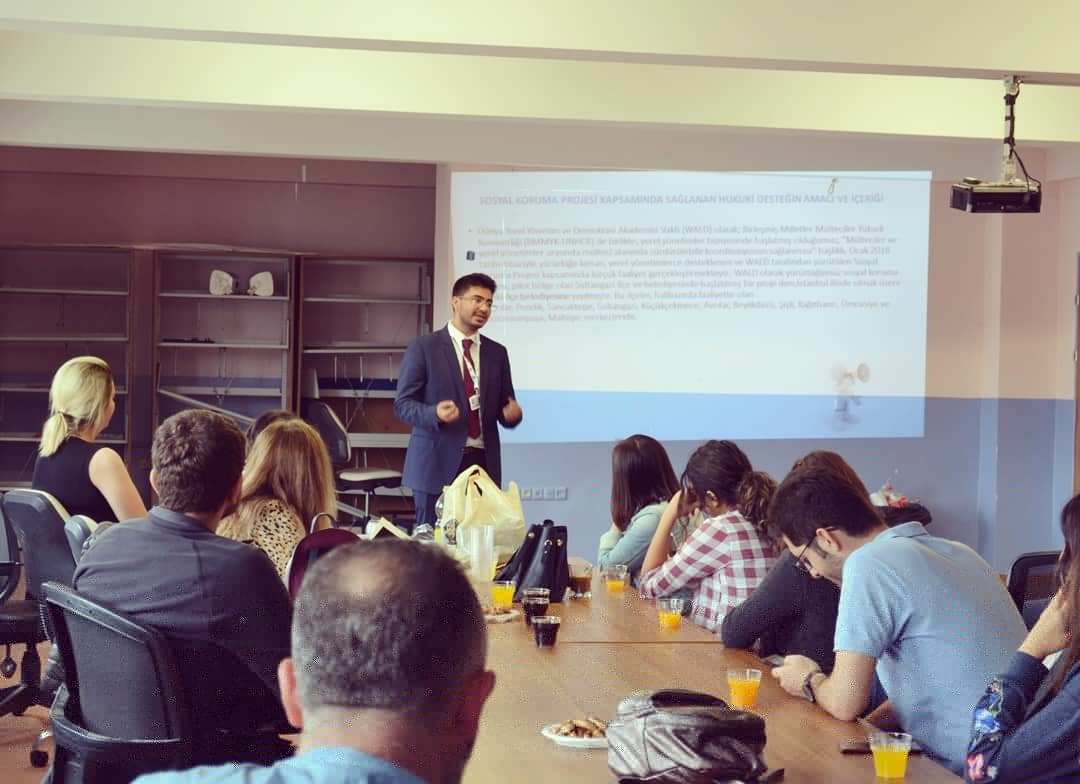
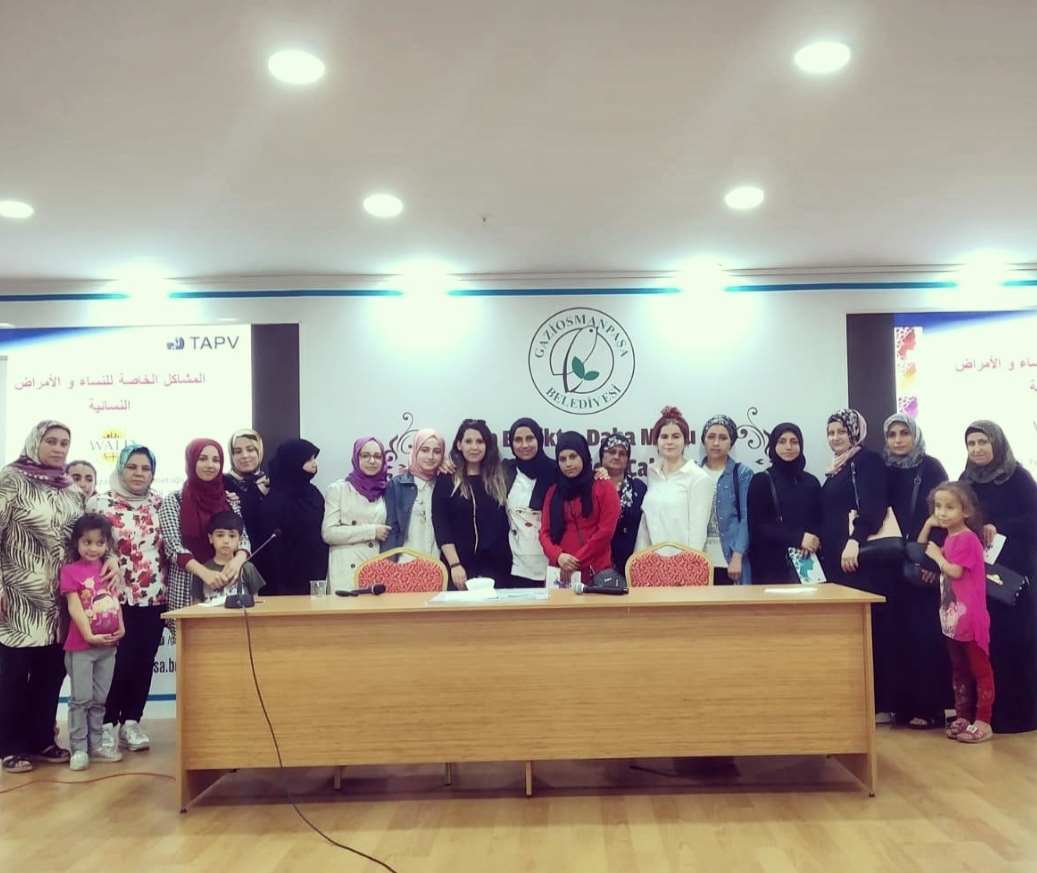
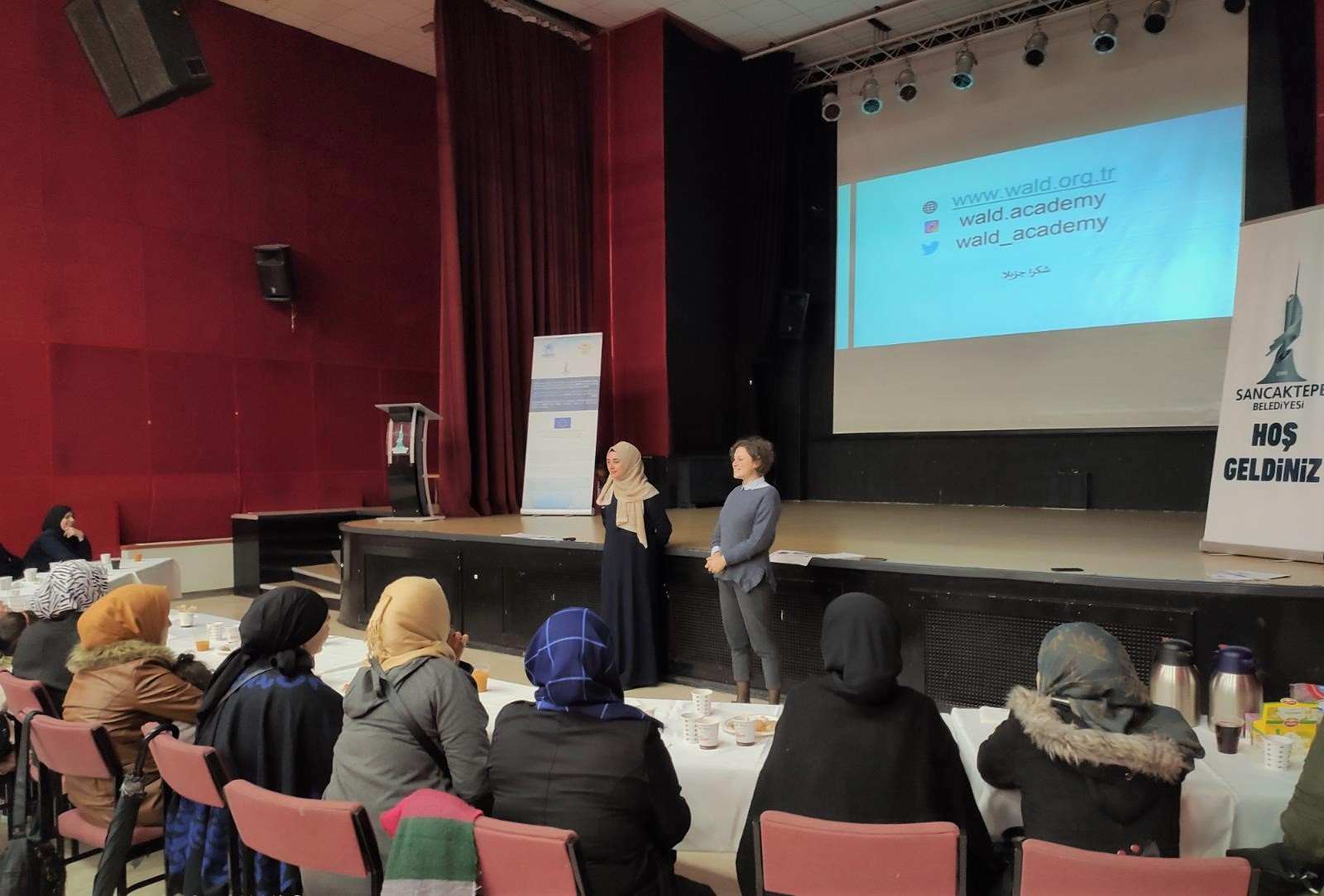
In this direction, informative sessions on reproductive health among women were organized by the Şişli, Sancaktepe, Kağıthane, and Beylikdüzü Social Protection Desks. Reproductive health, regarding its functions and operational process, is a state of complete physical, mental, and social well-being in all matters relating to it, rather than merely the absence of disease and infirmity. It is observed that refugee women, in particular, have insufficient knowledge on reproductive health and family planning subjects such as contraception, antenatal, delivery, and postnatal care, vitamin and mineral deficiencies, unwanted pregnancy, miscarriage, and birth complications.
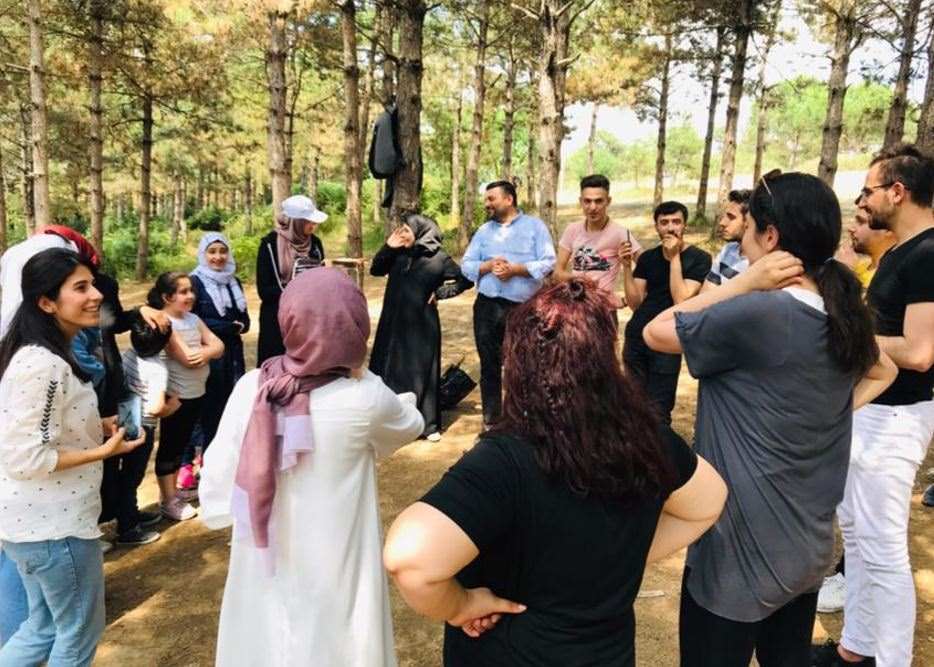
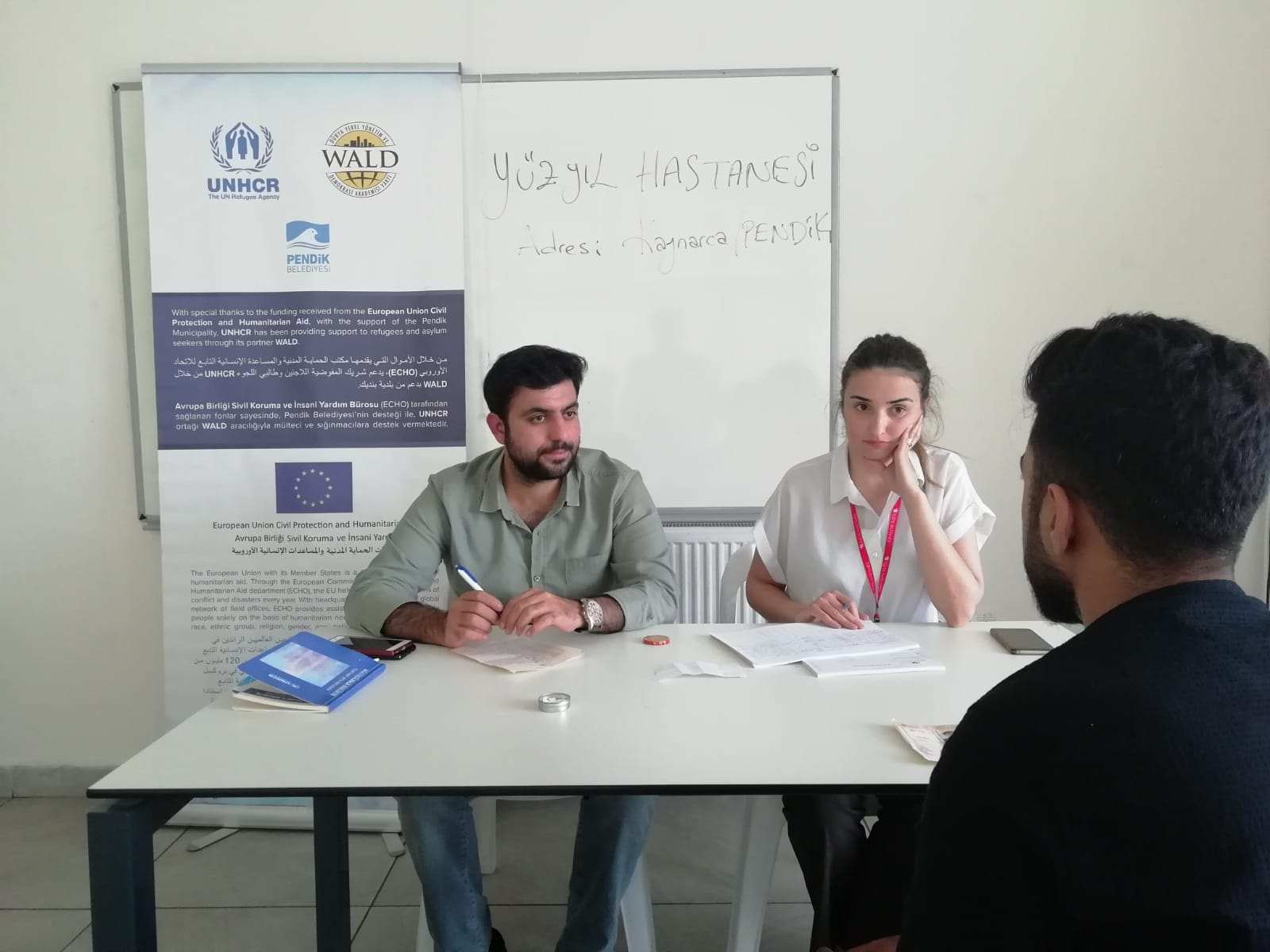
The events, attended by women from both refugee and local communities, were organized through WALD's expert psychologists and interpreters. Progressing interactively with questions and answers, the session concluded with a tea chat after the participants shared the problems they encountered in their own lives.