Family health and functionality are determining factors in children's psychological well-being. Therefore, it can be said that most psychological problems observed in children are related to family functionality and parental attitudes. High stress levels and mood problems in parents negatively affect parental attitudes and behaviors, and consequently, their children's psychology. In the course of an already existing psychiatric disorder, parental attitudes can have healing effects, as well as effects that may cause worsening or trigger new problems.
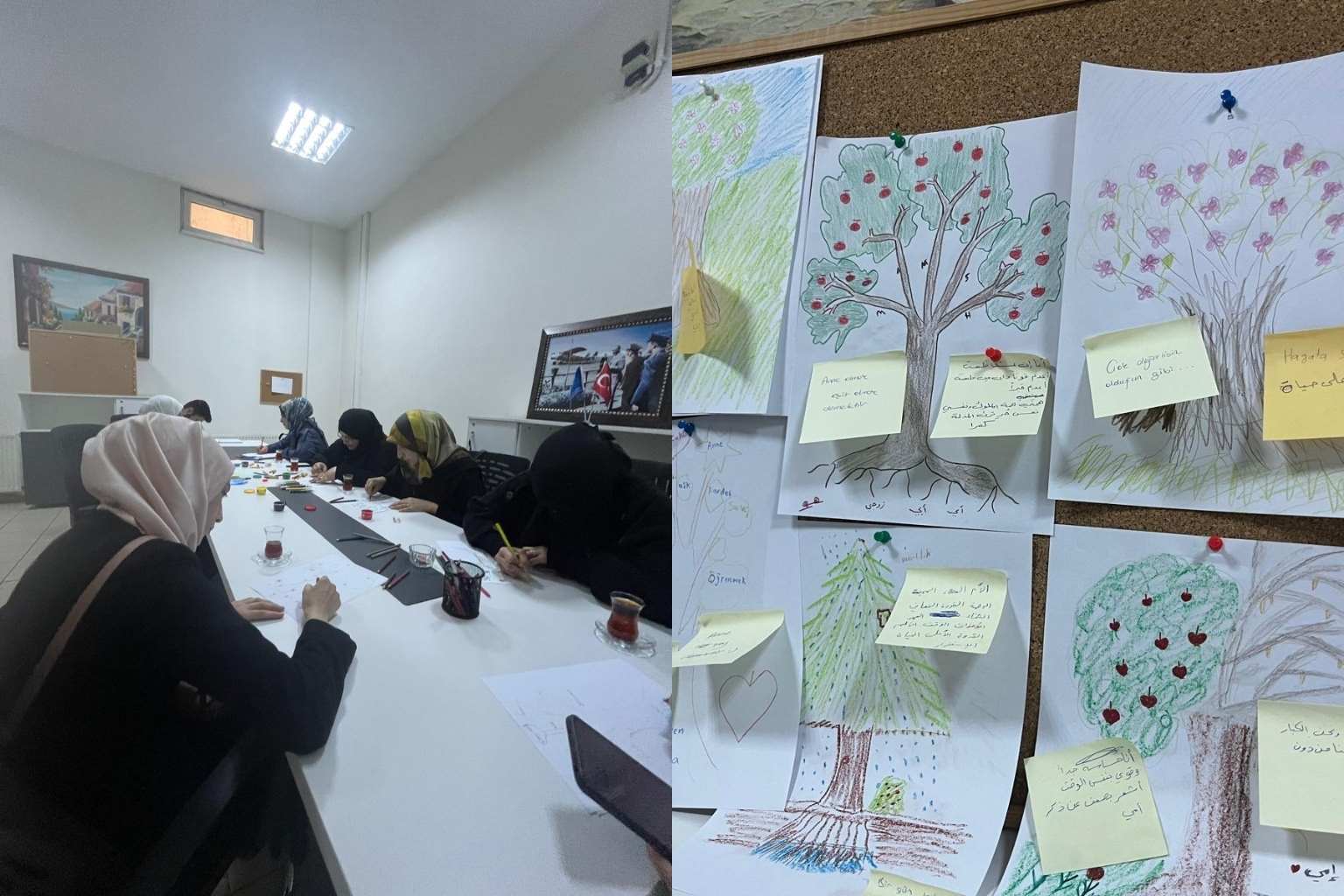
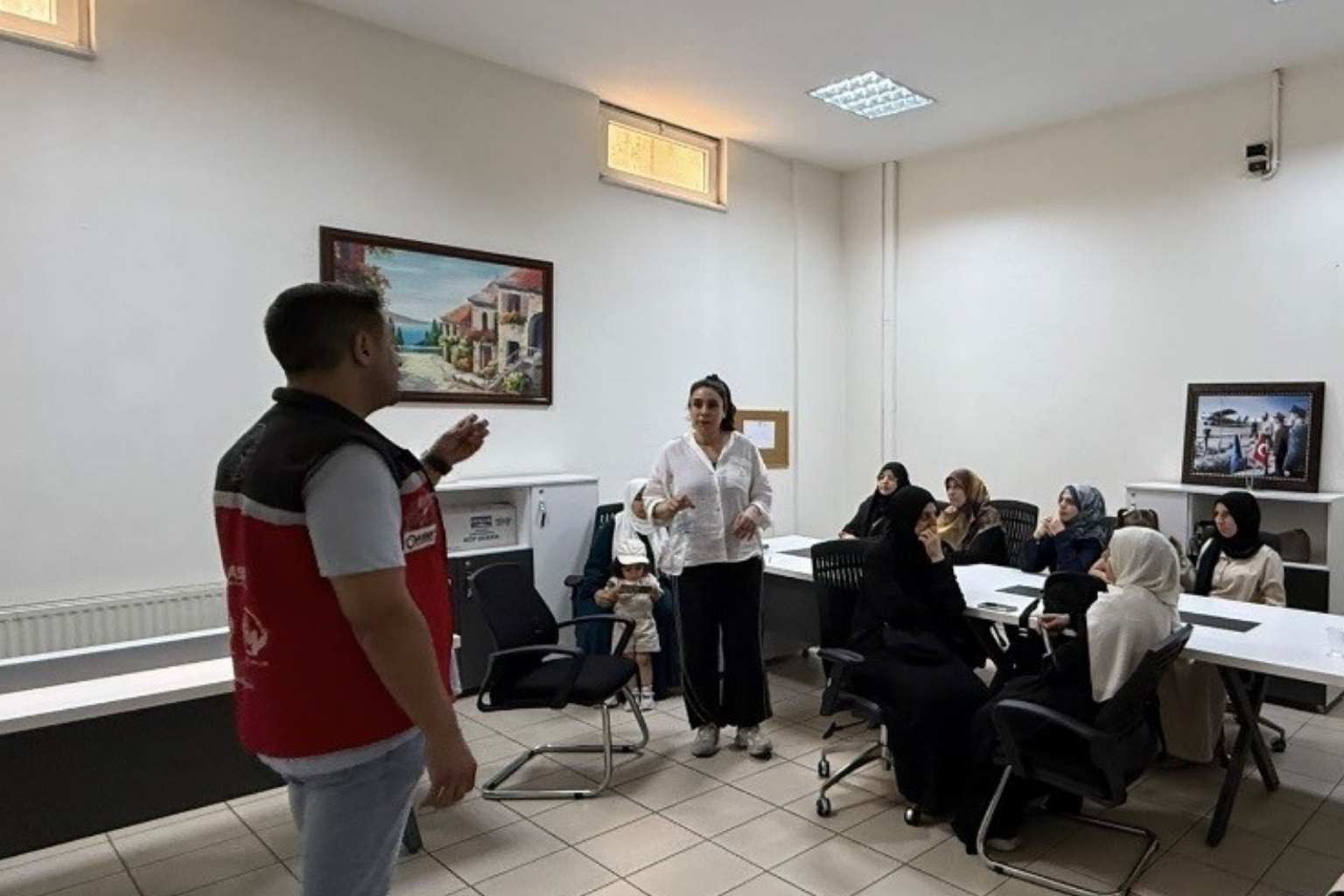
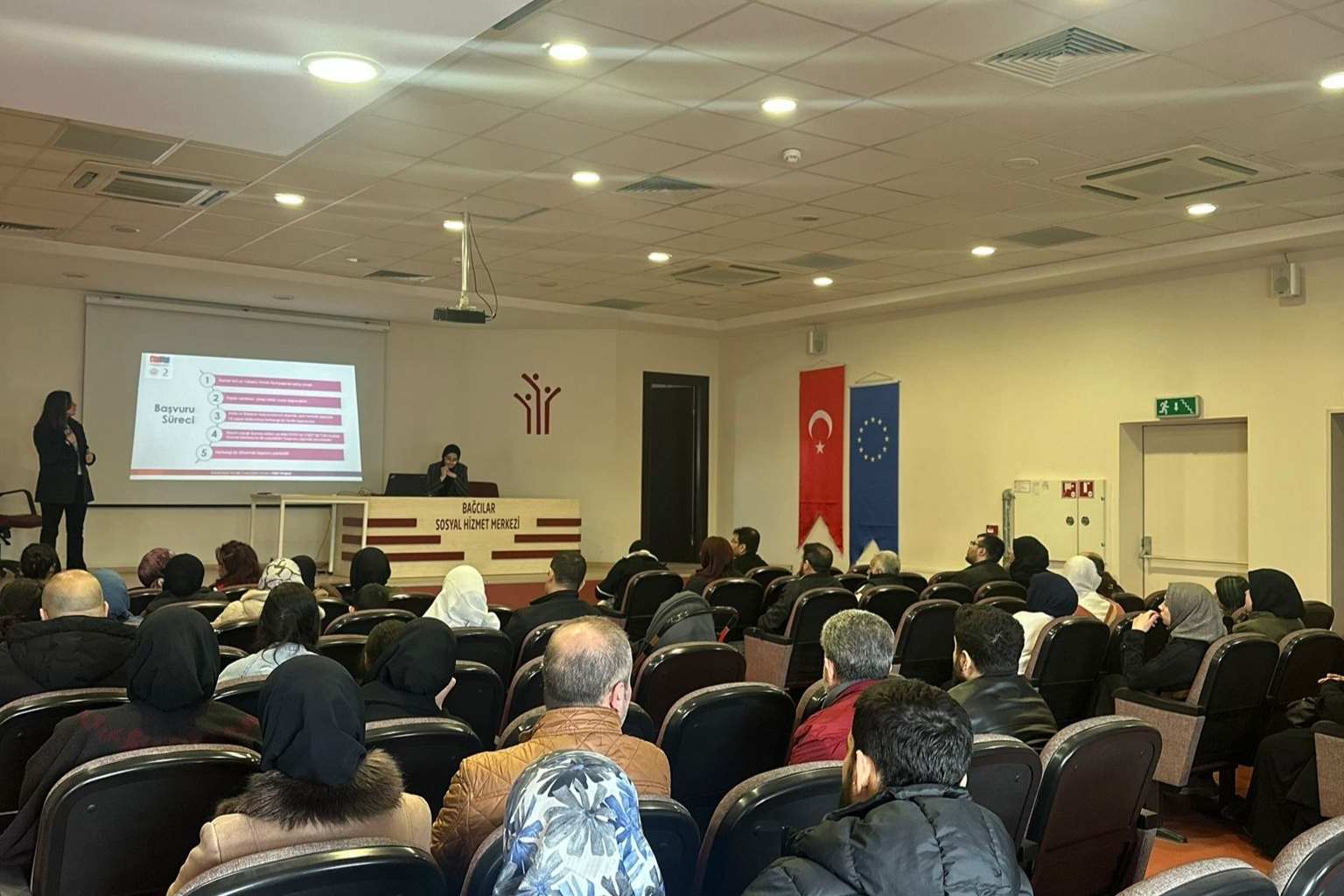
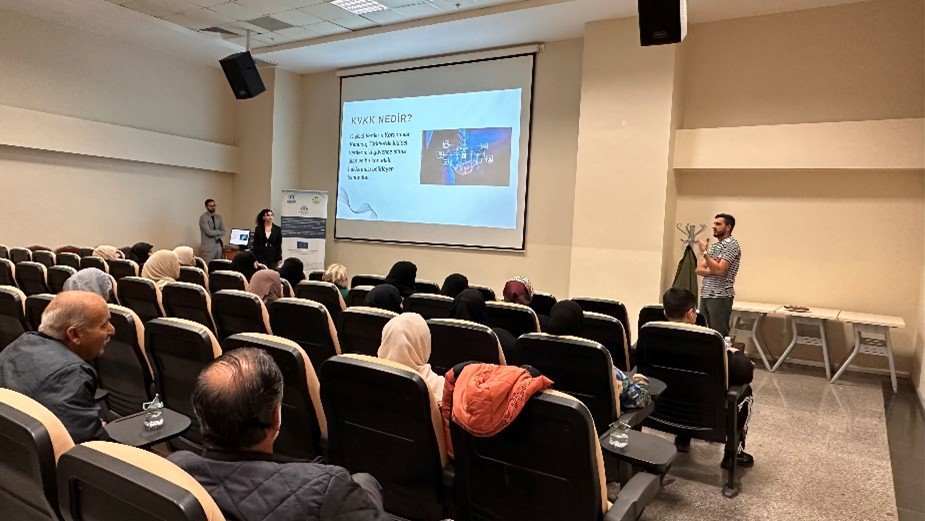
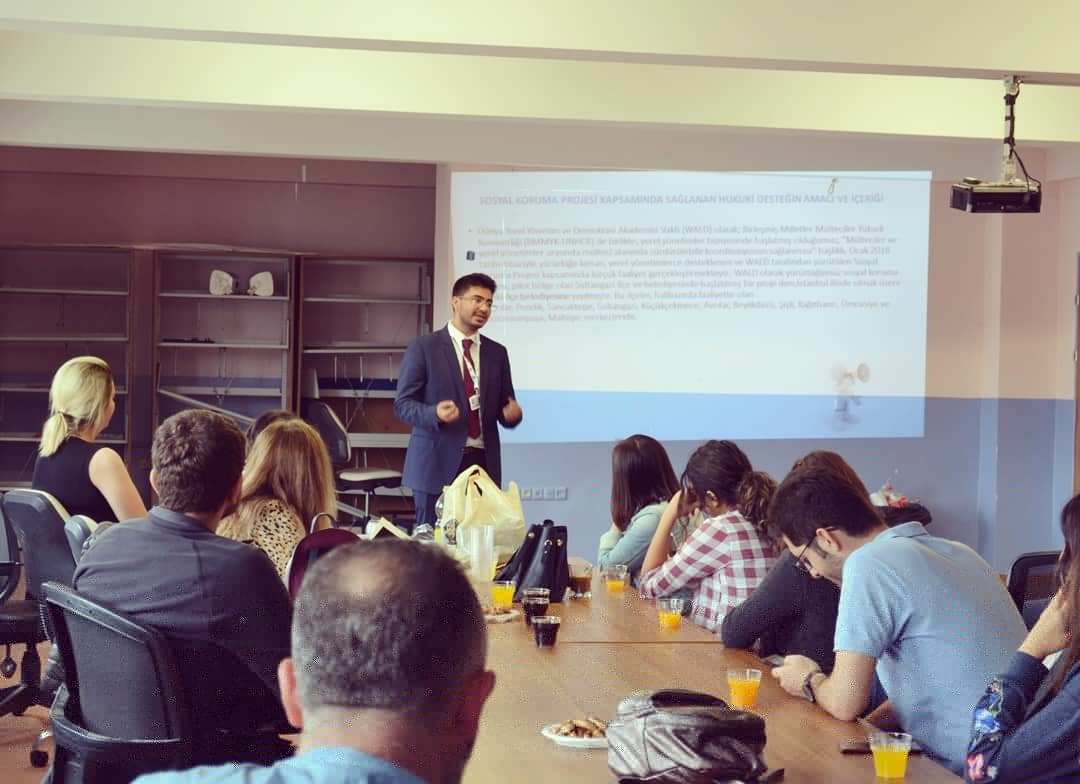
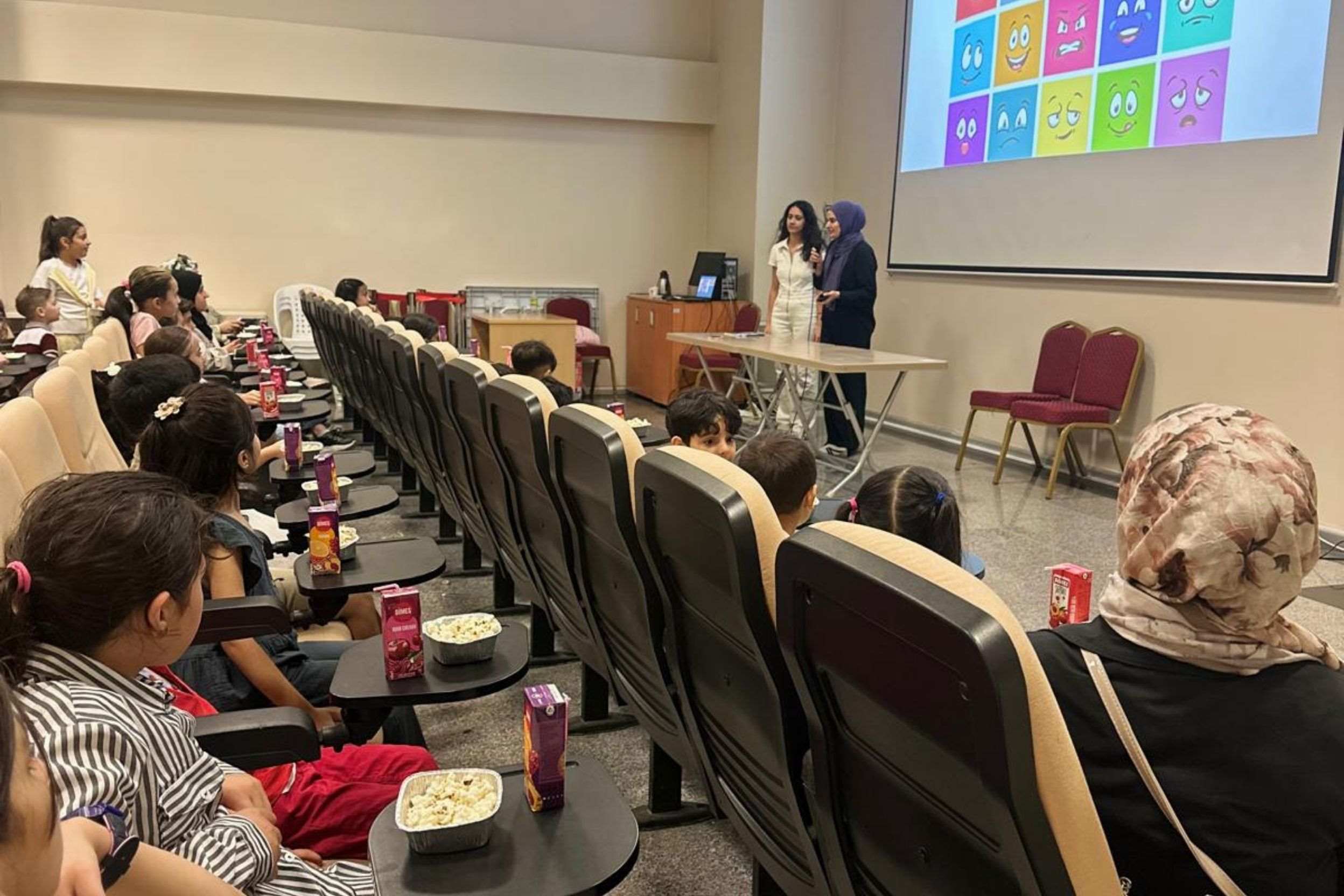
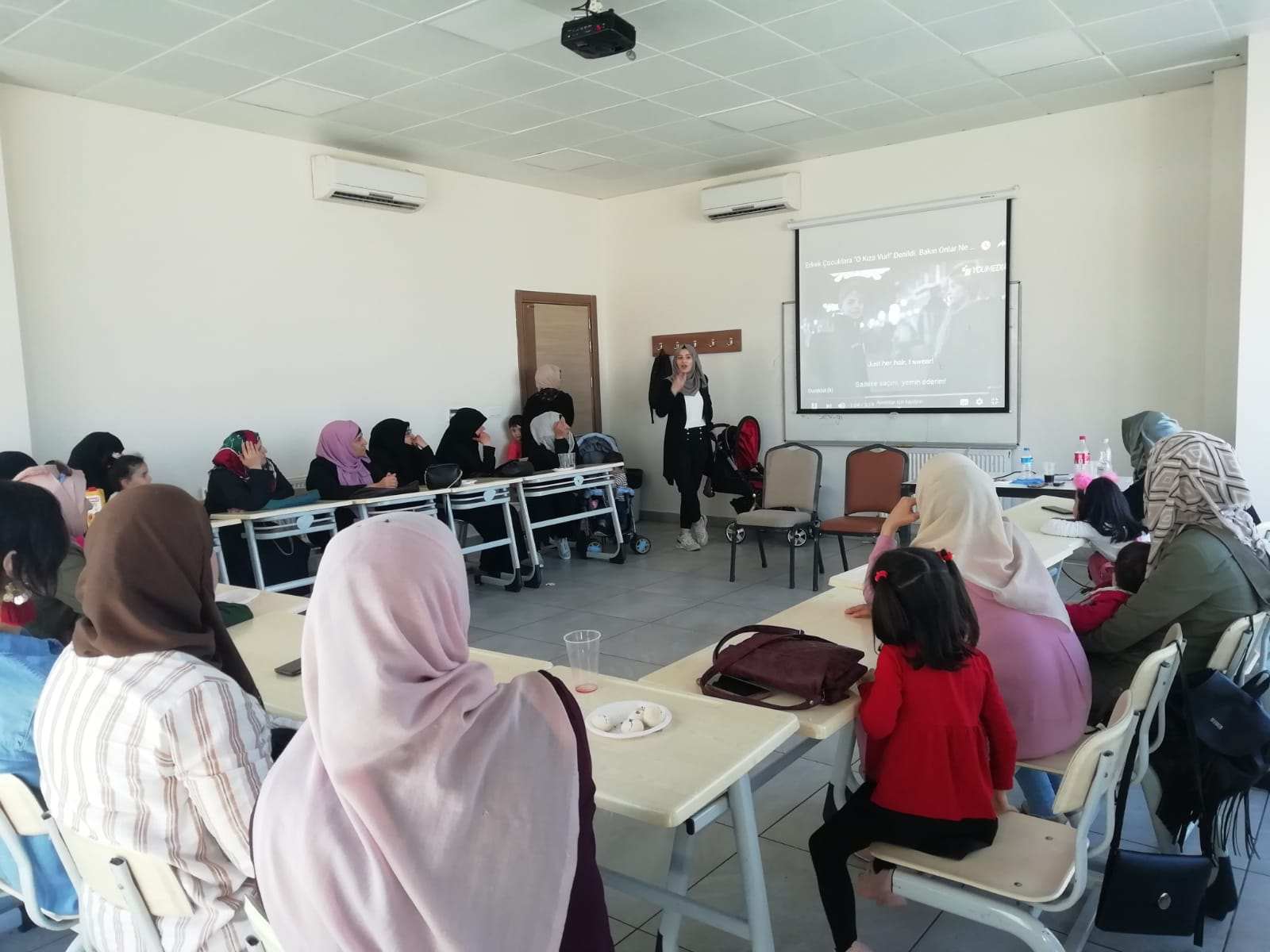
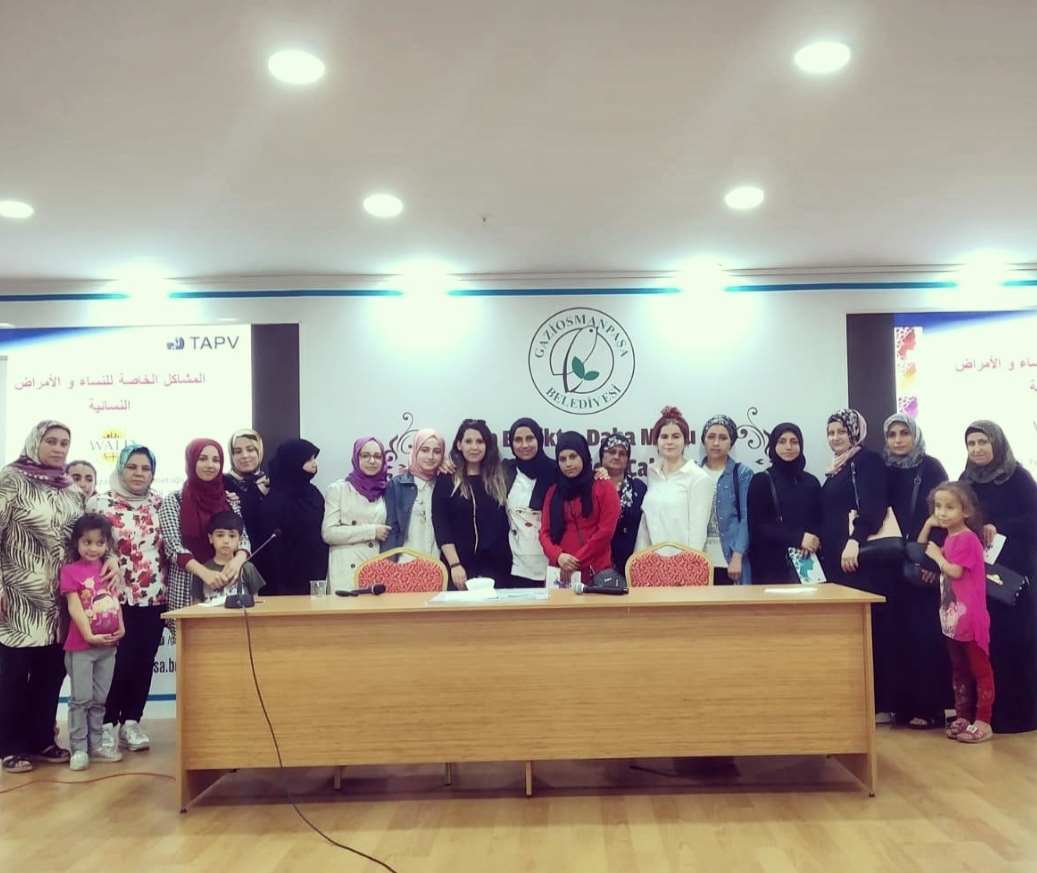
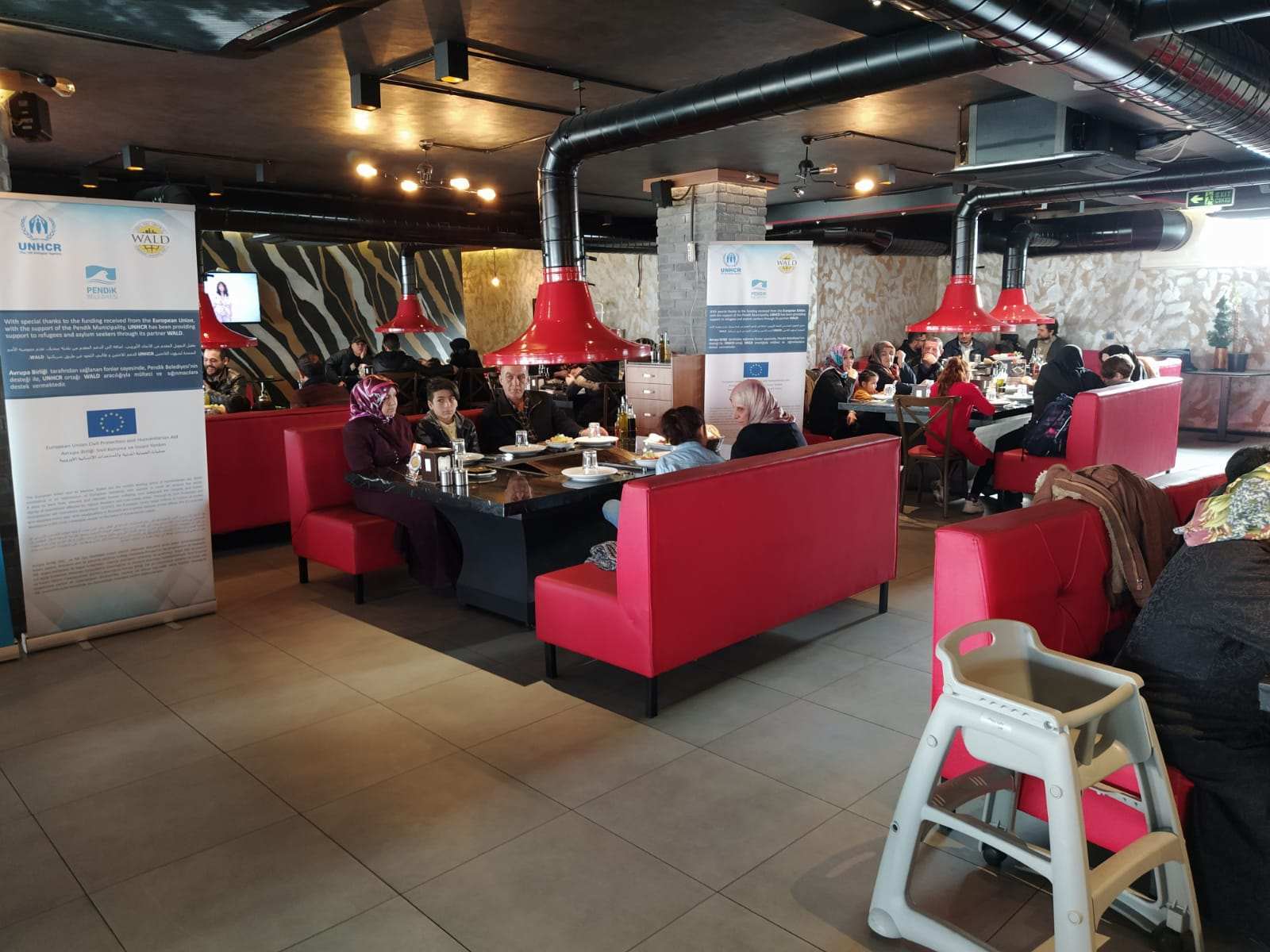
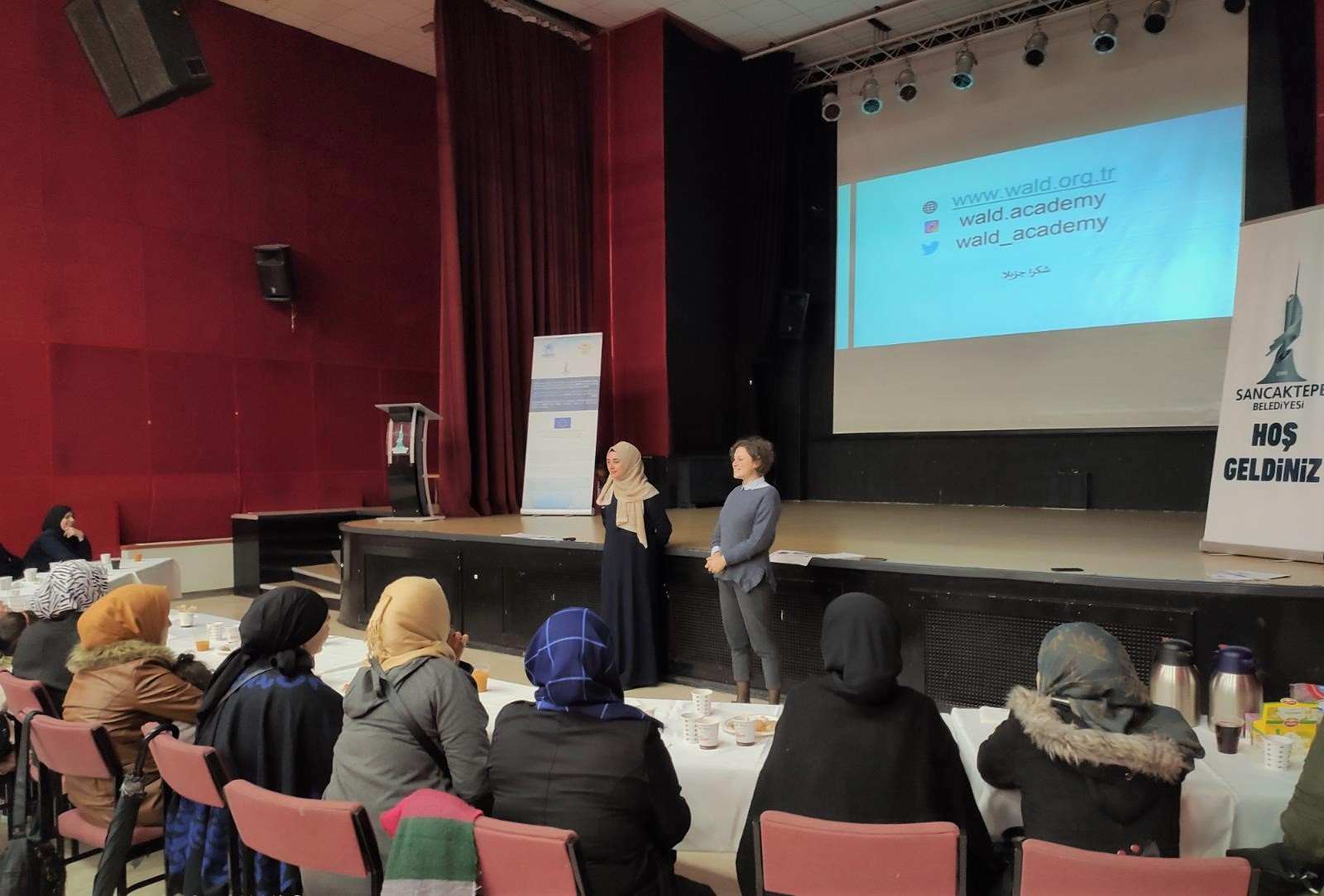
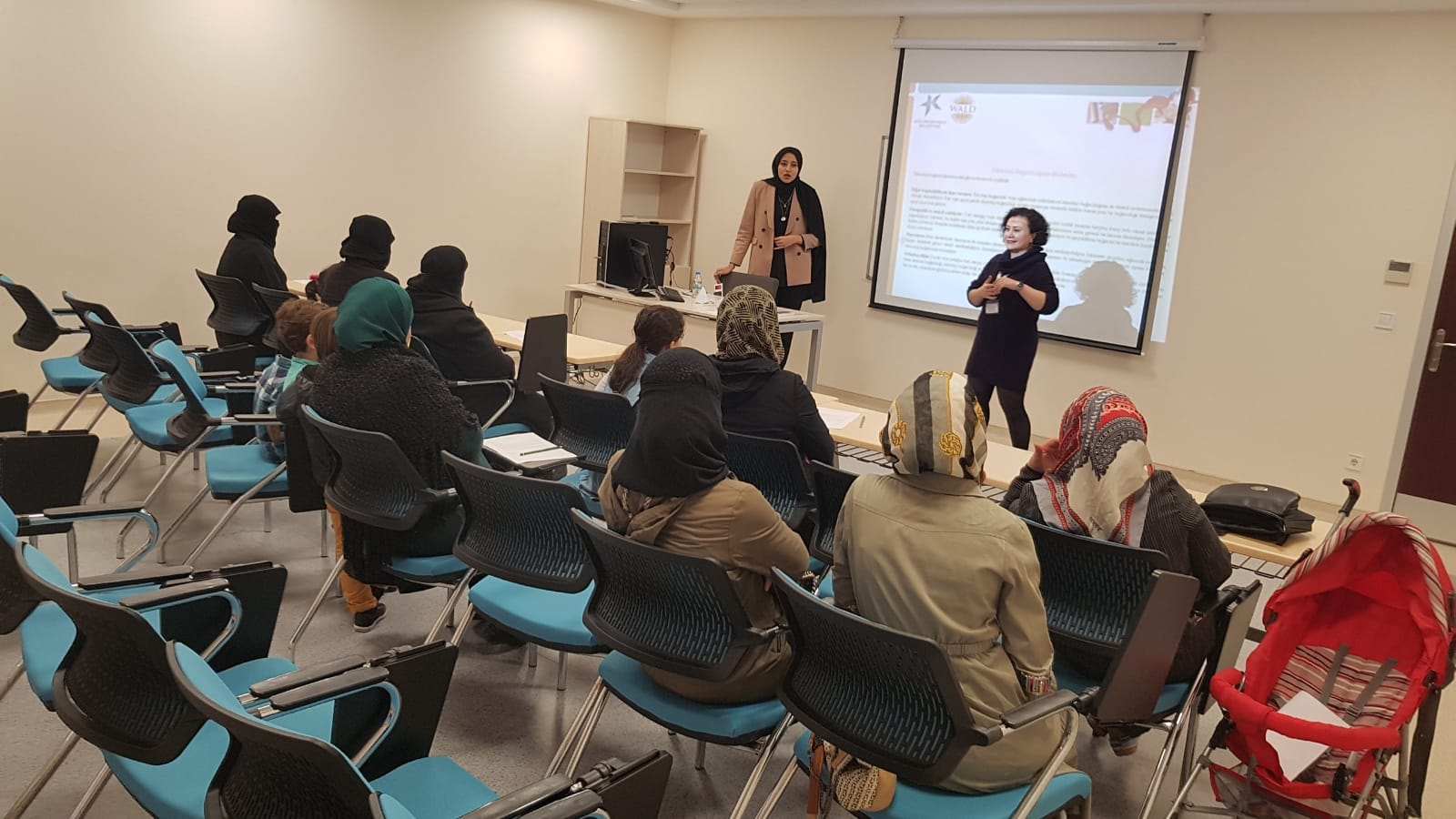
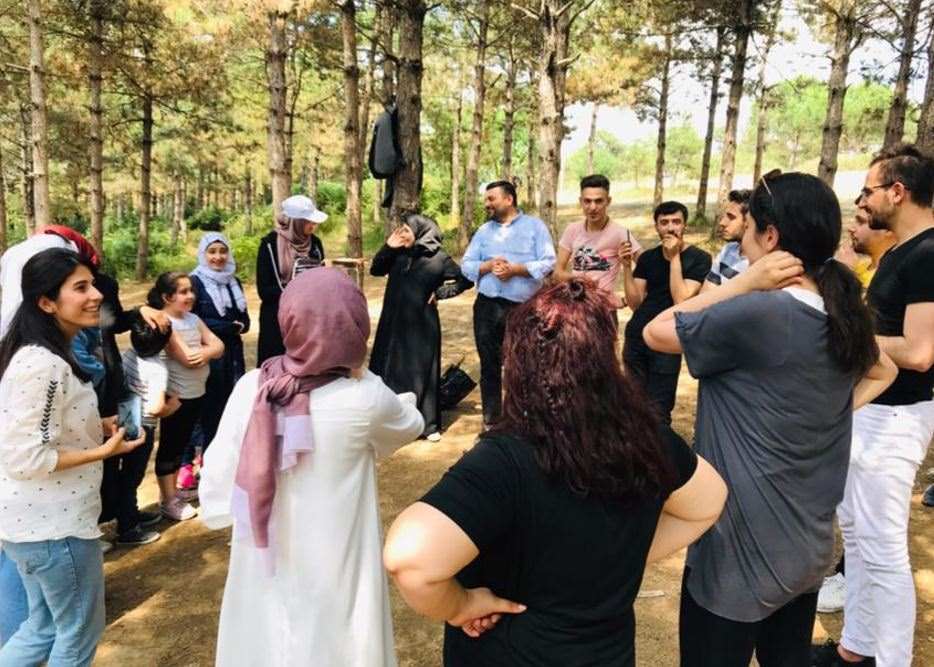
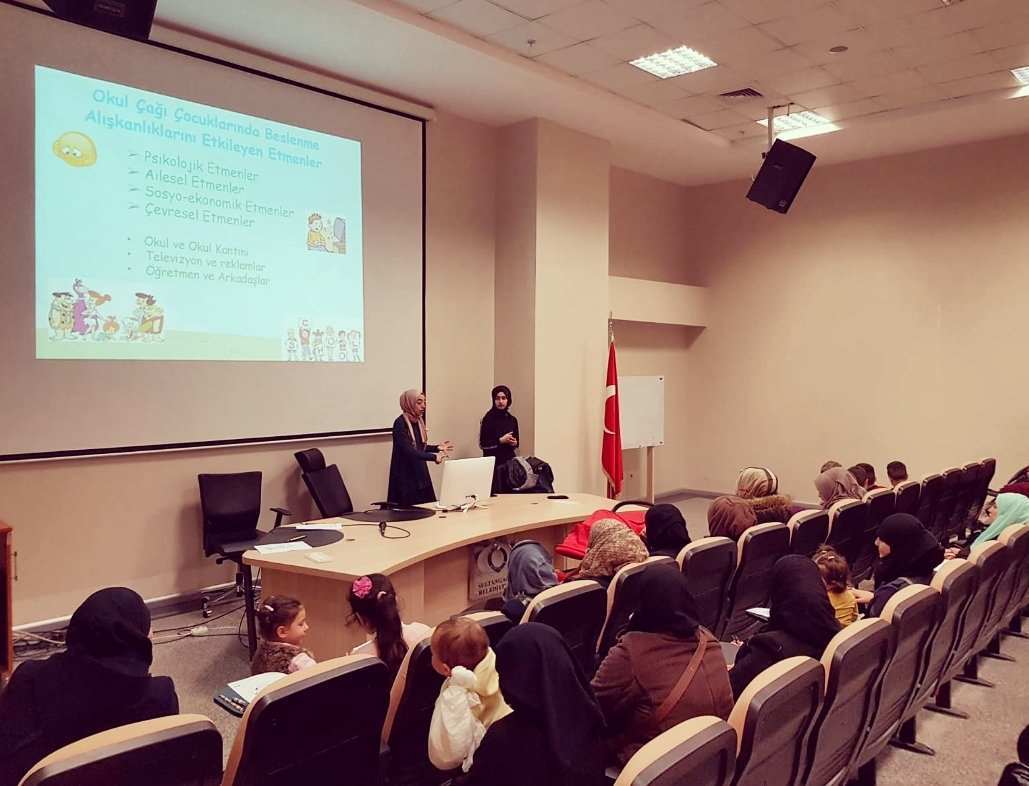
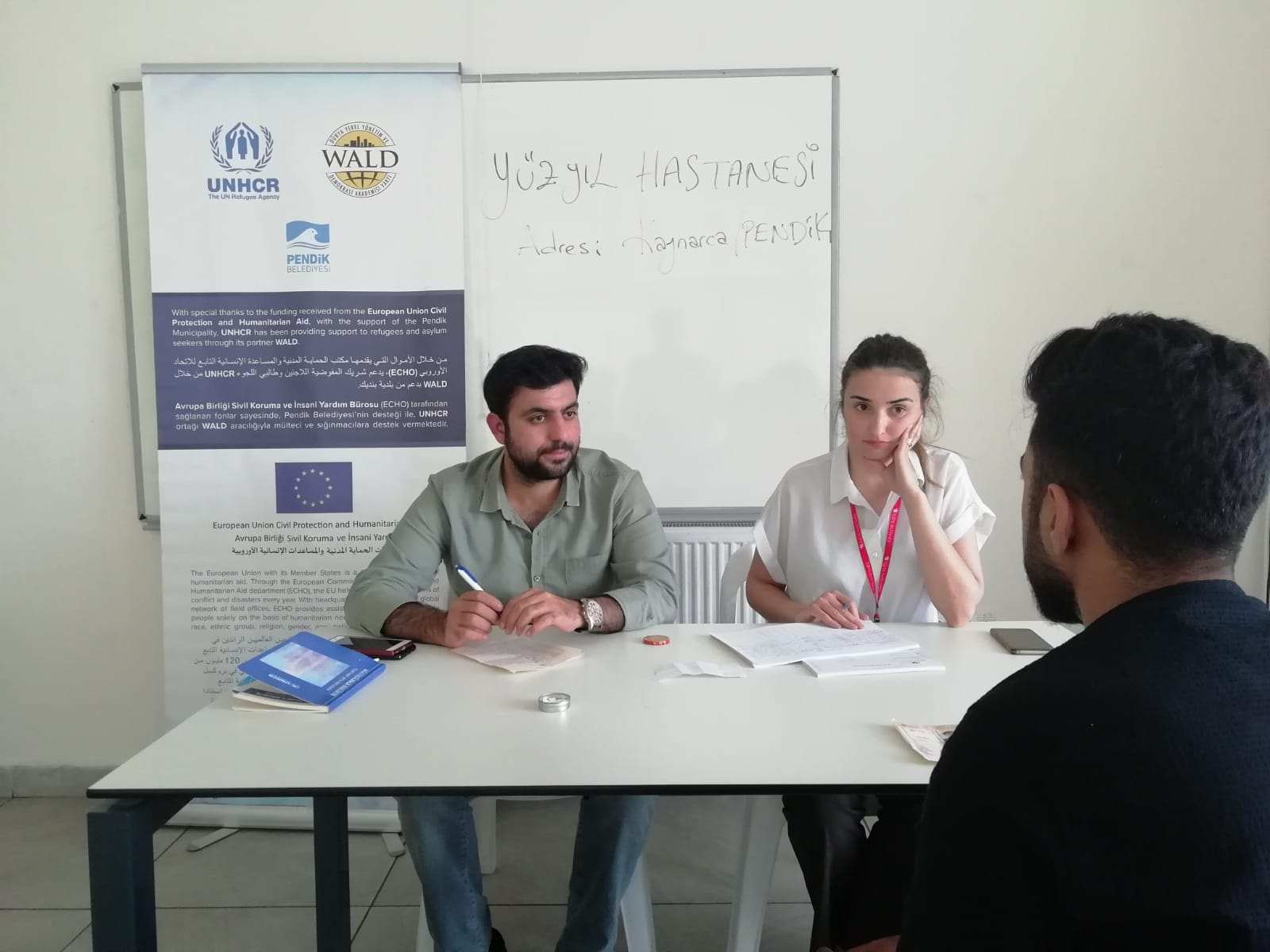
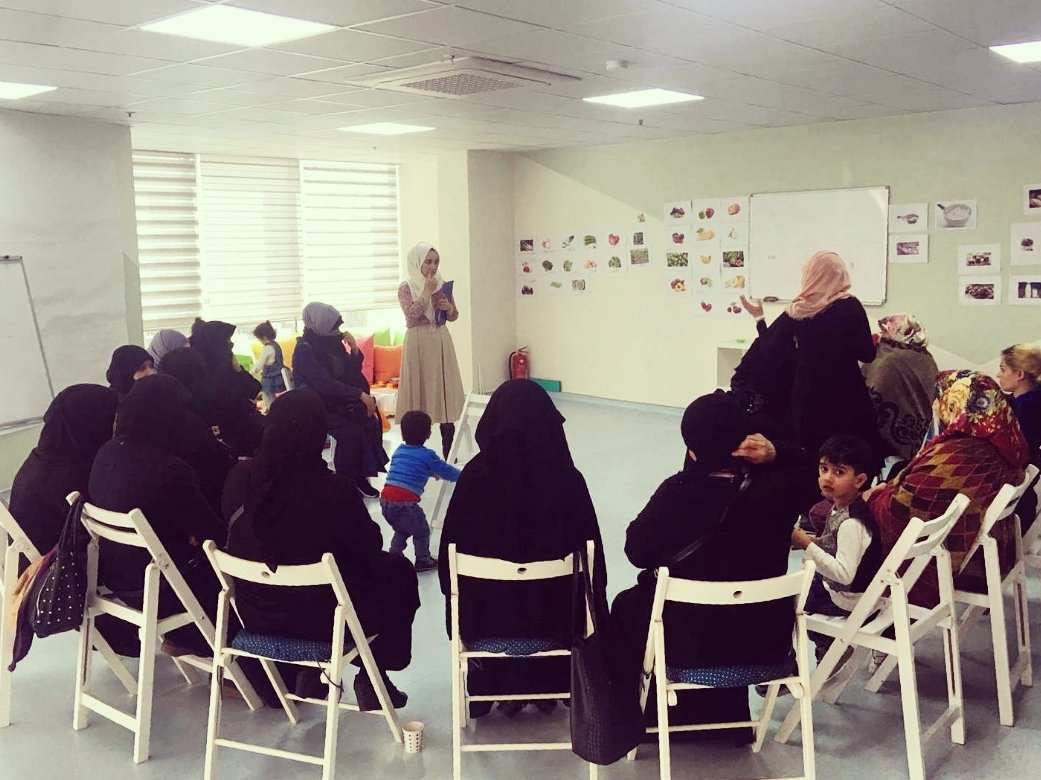
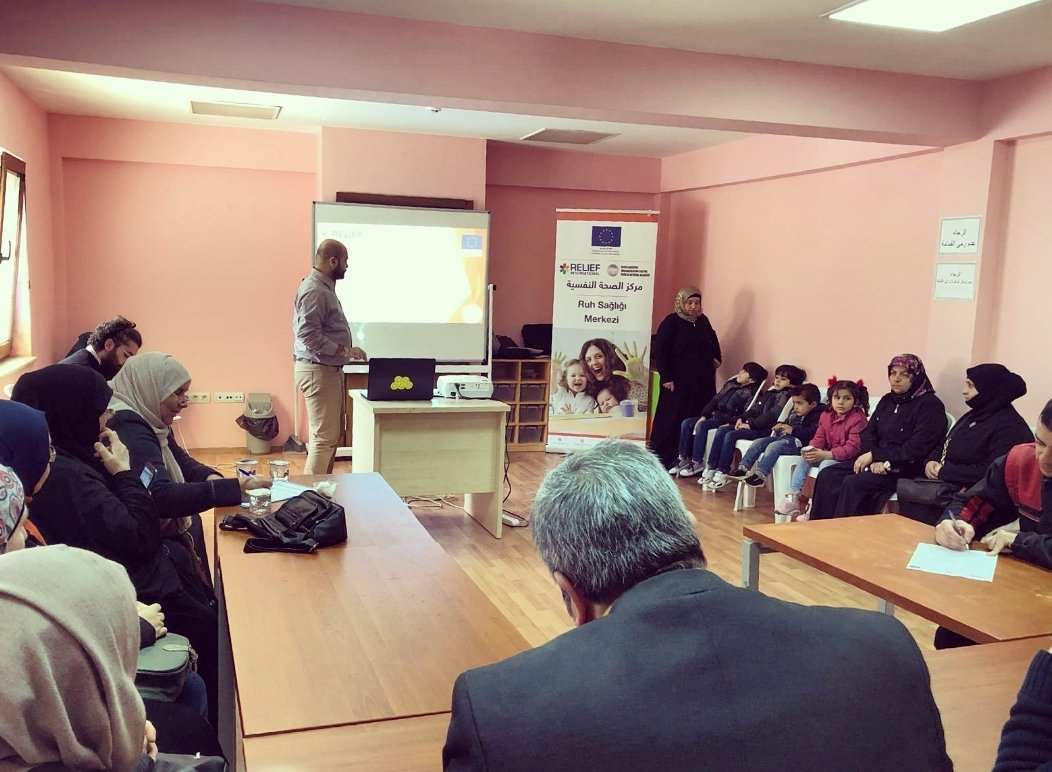
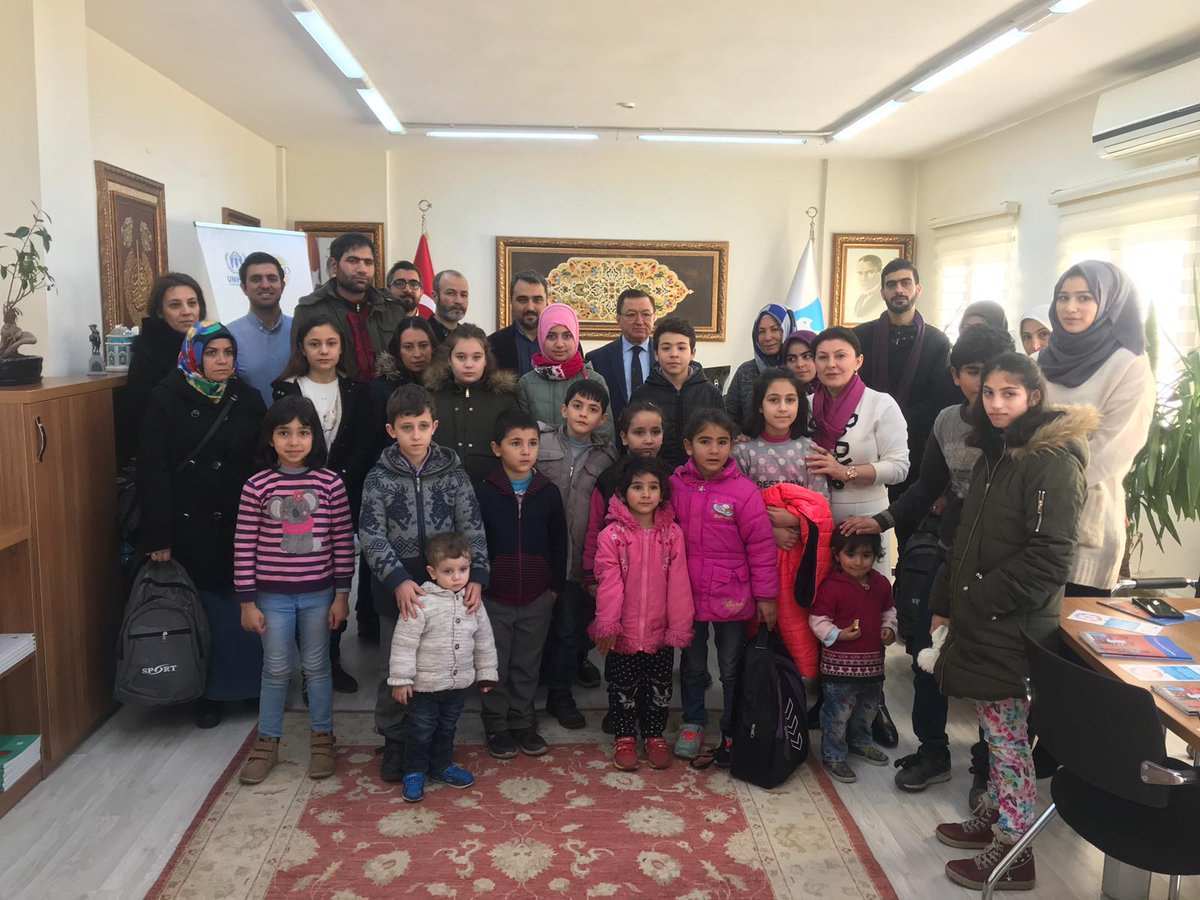
When we examine the reasons for applications to our Social Protection Desks, it is observed that behavioral disorders and communication problems in children are among the issues frequently encountered by refugees living in the districts, and that the birth rate is high in the refugee community in the post-migration process. In addition, young motherhood, parents' lack of experience in child development, and low education levels in the post-migration process constitute another dimension of the problem. In this context, the study holds a very important place in order to resolve the difficulties experienced at the local level. Accordingly, with the objective of creating awareness regarding the impact of parental attitudes on children's personal and social development, a training titled "Parenting Attitudes with Adult Women" was organized in cooperation with the Pendik Social Protection Desk and Pendik Municipality. Held at the Pendik Municipality Ahmedi Hani Culture Center and conducted with local and refugee participants, the event aims to facilitate experience sharing among mothers and inform parents on related subjects.
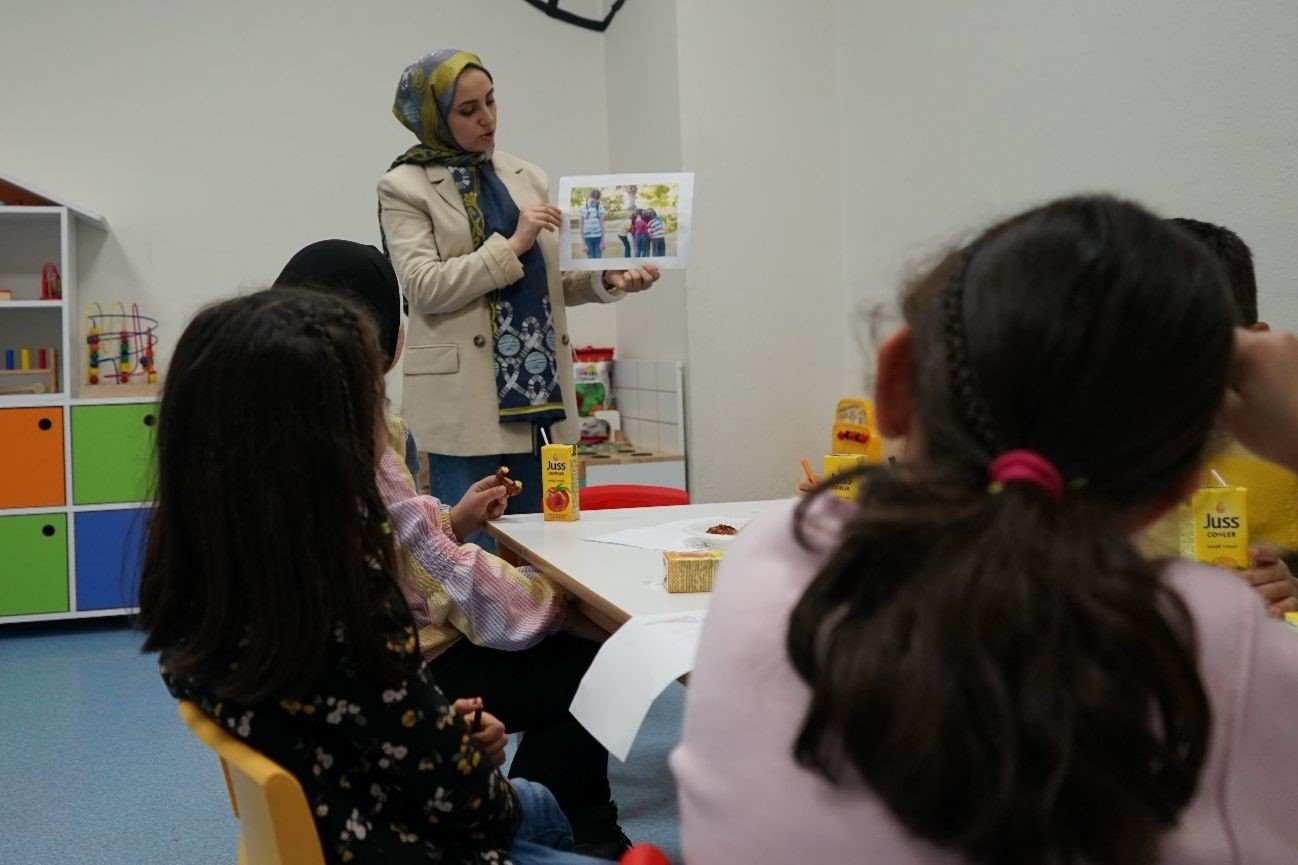
Within the scope of the study carried out, the contribution of the relationship that mothers develop with their children to the child's physical, psychological, and developmental processes was addressed, and the event also focused on the contributions of behaviors and attitudes toward children's socialization and self-expression within society.