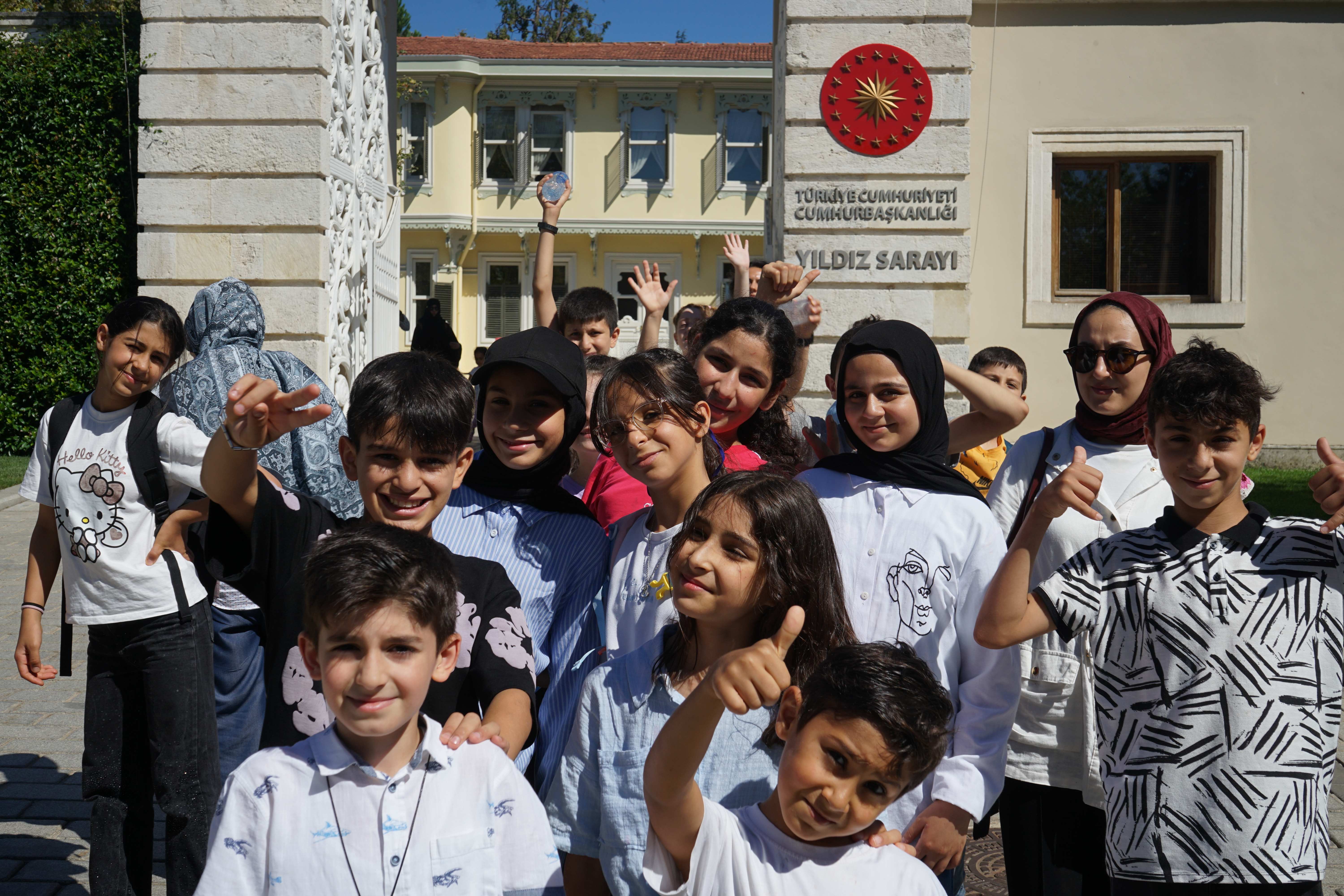
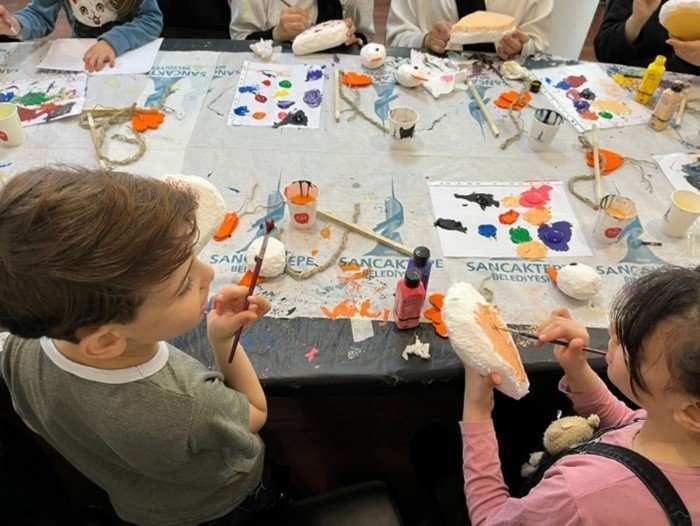
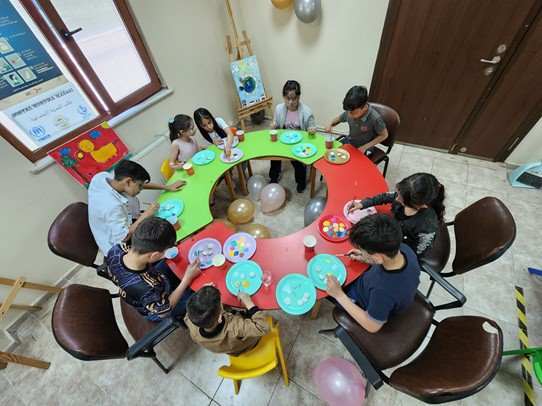
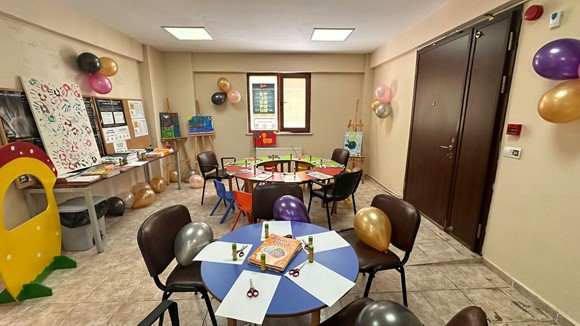
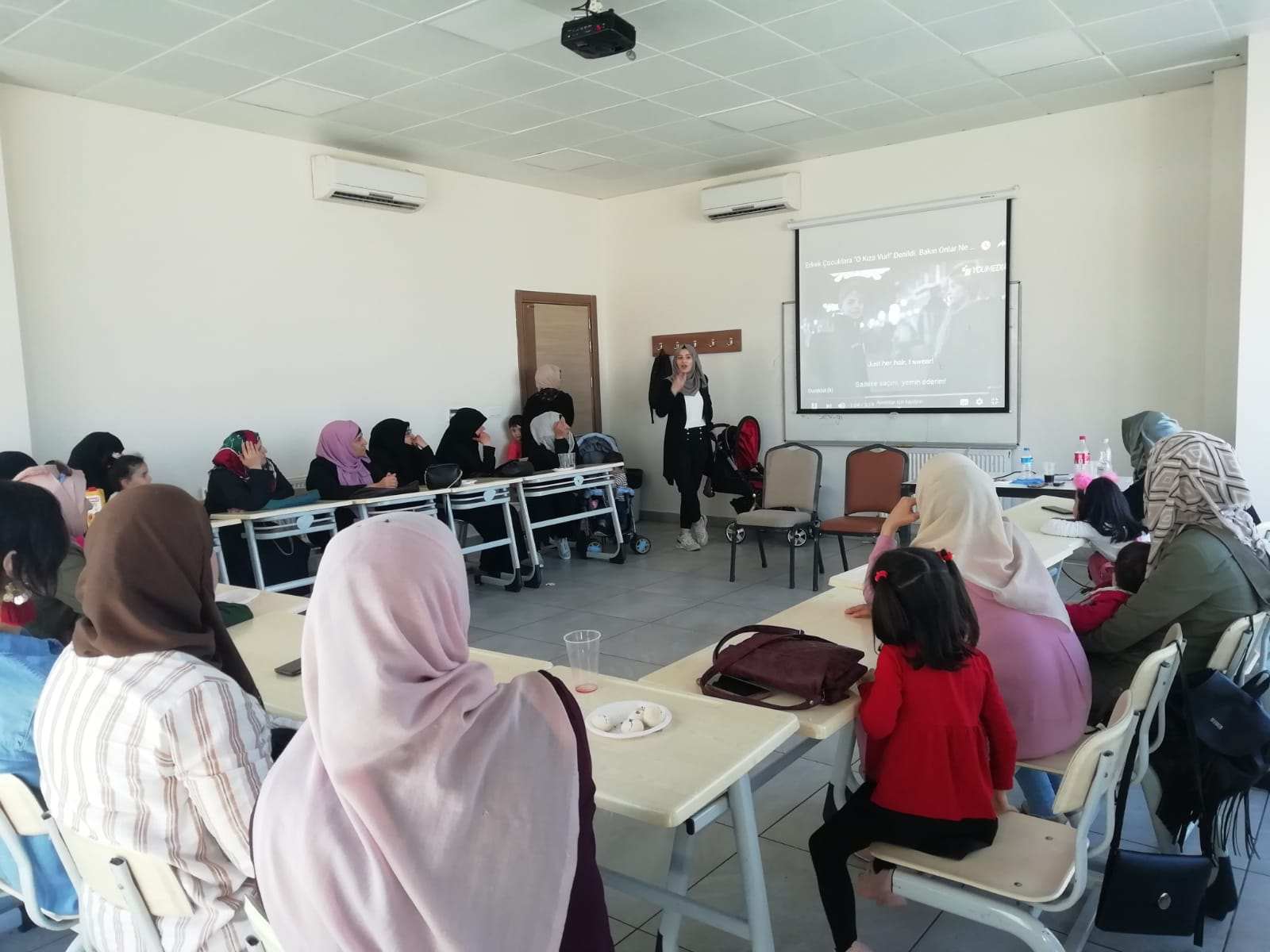
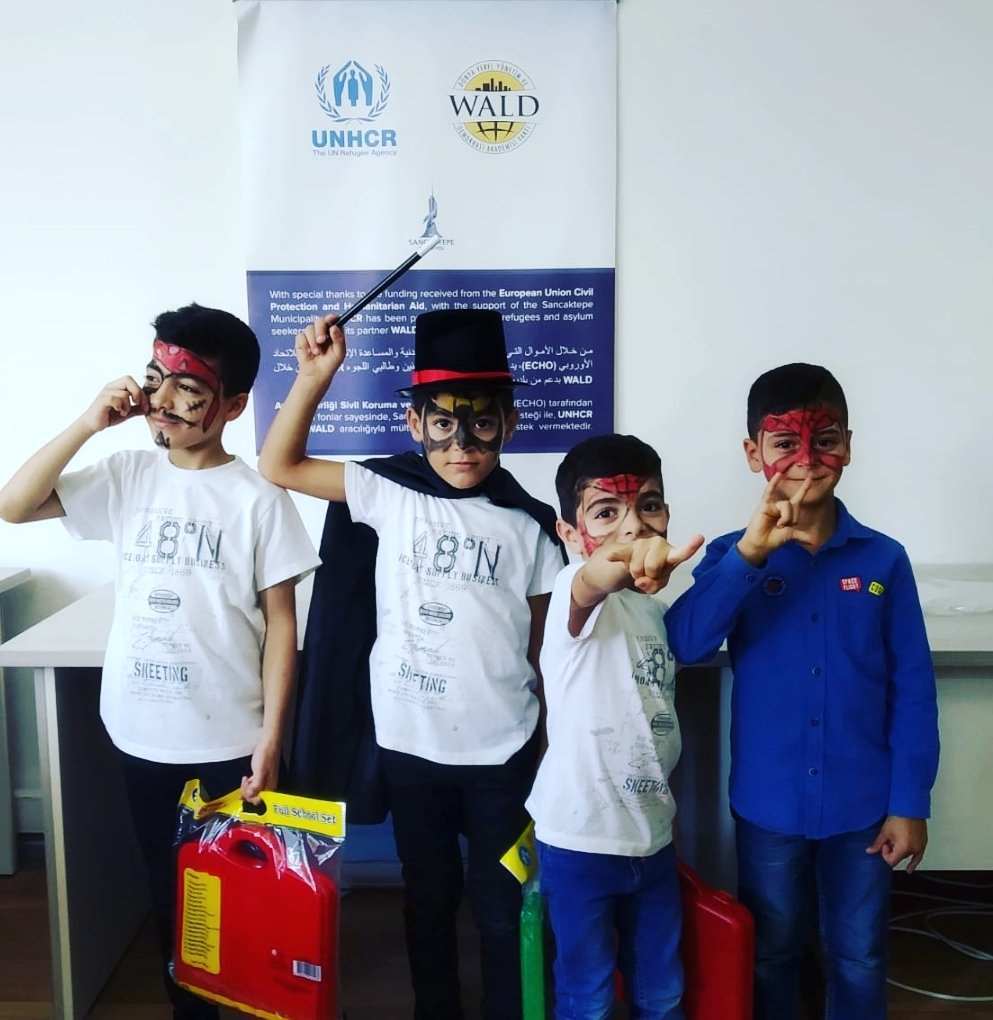
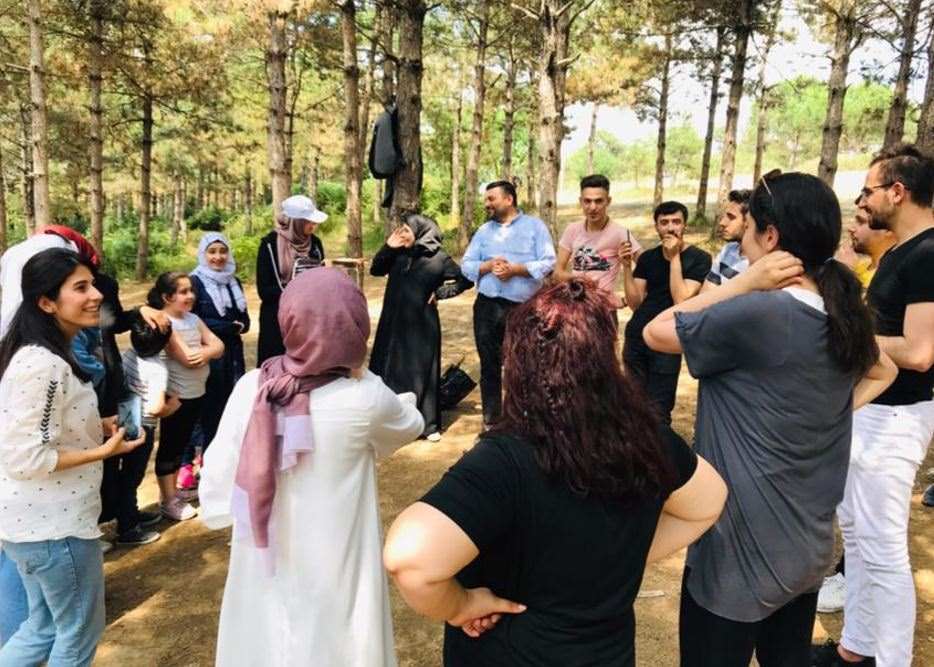
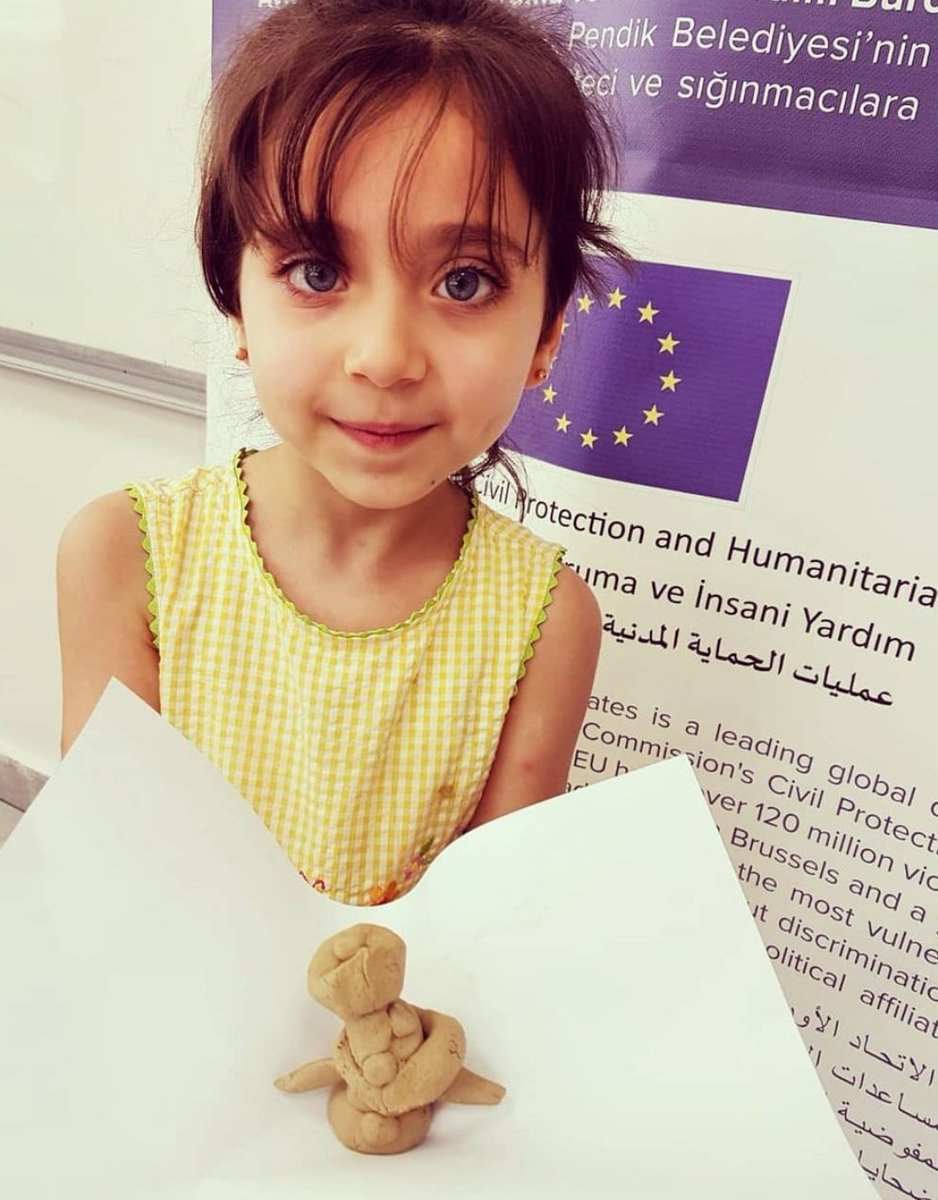
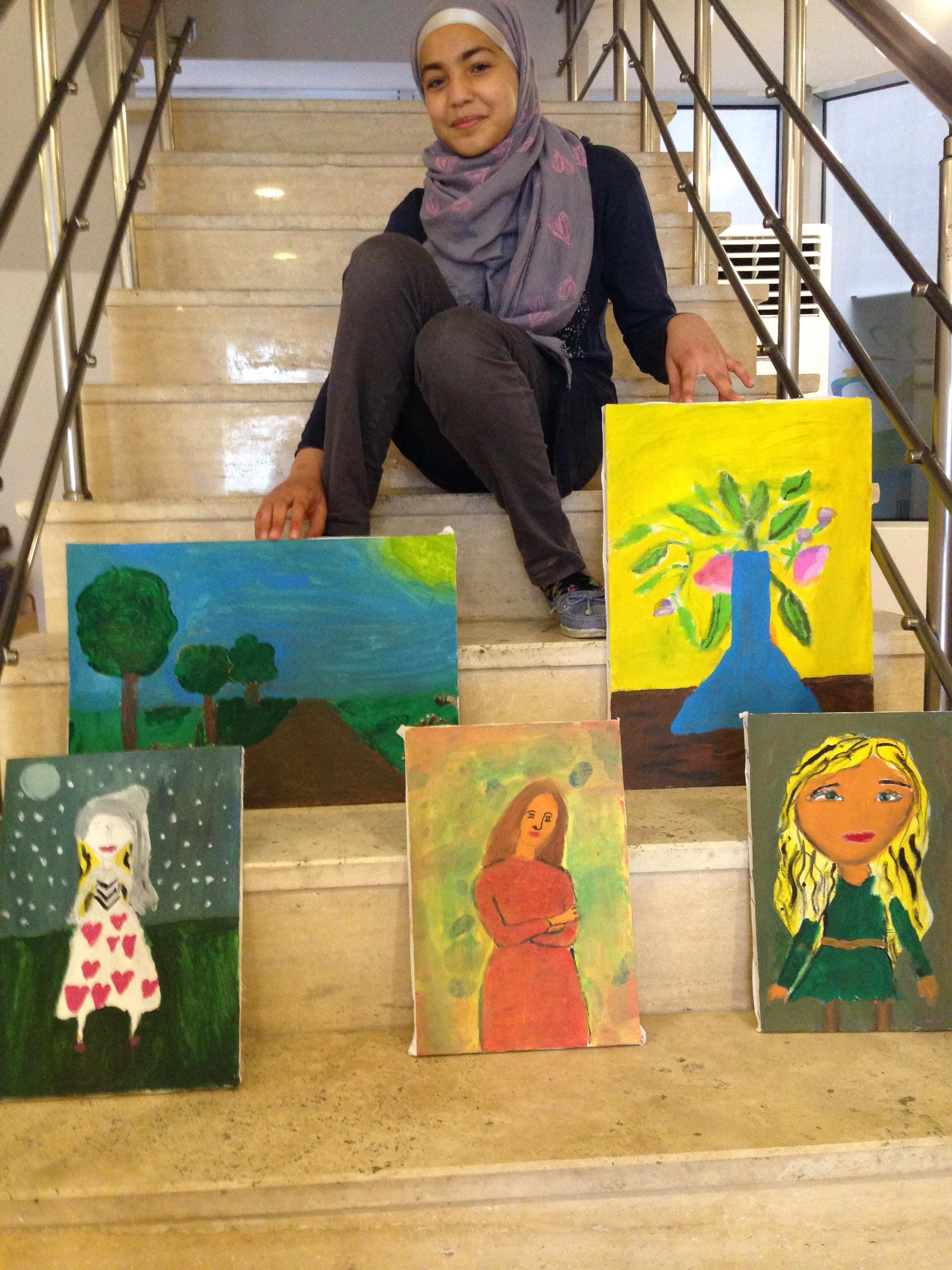
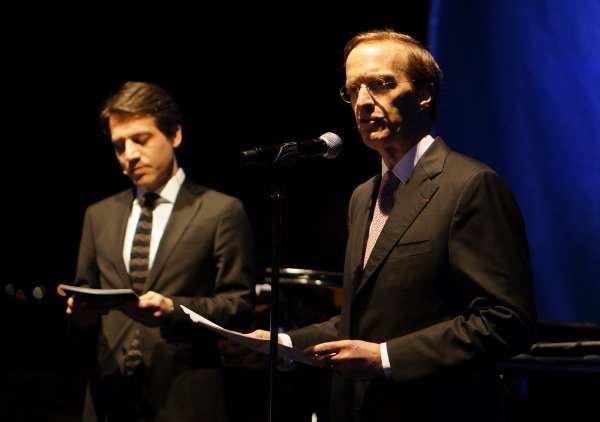
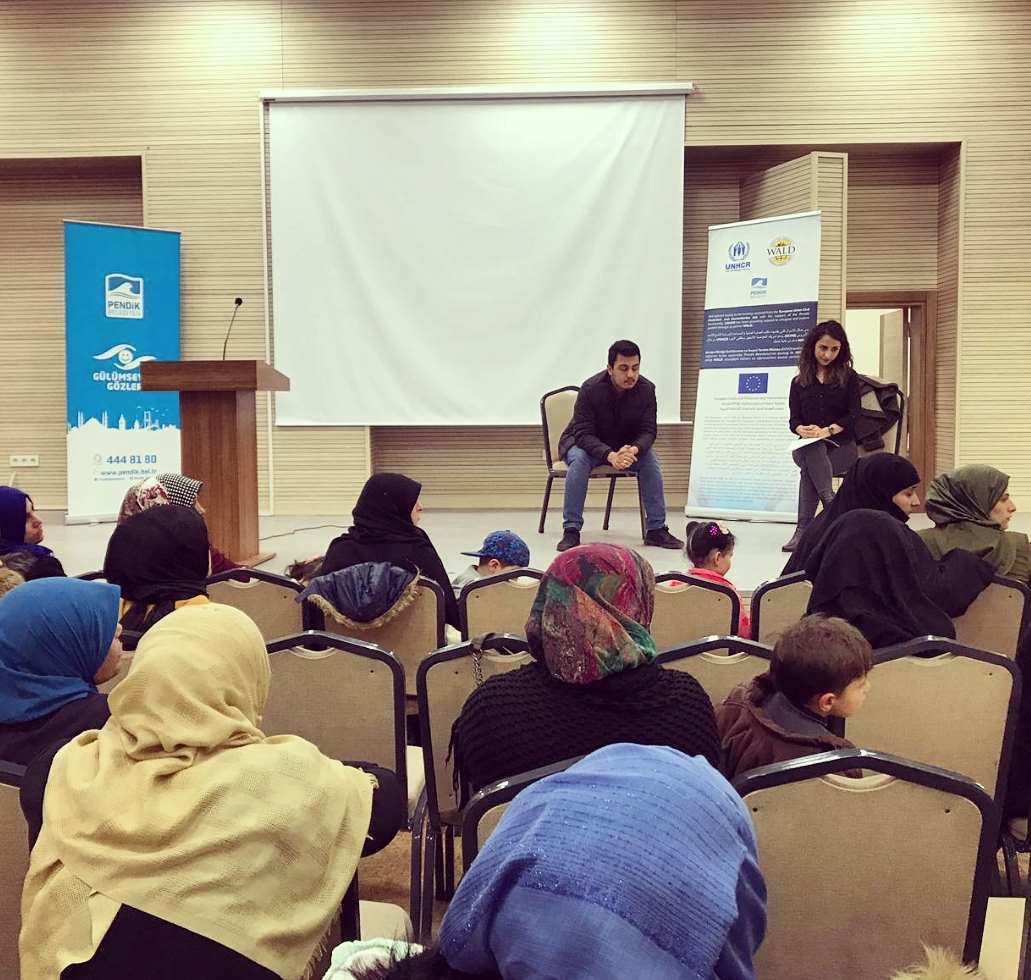
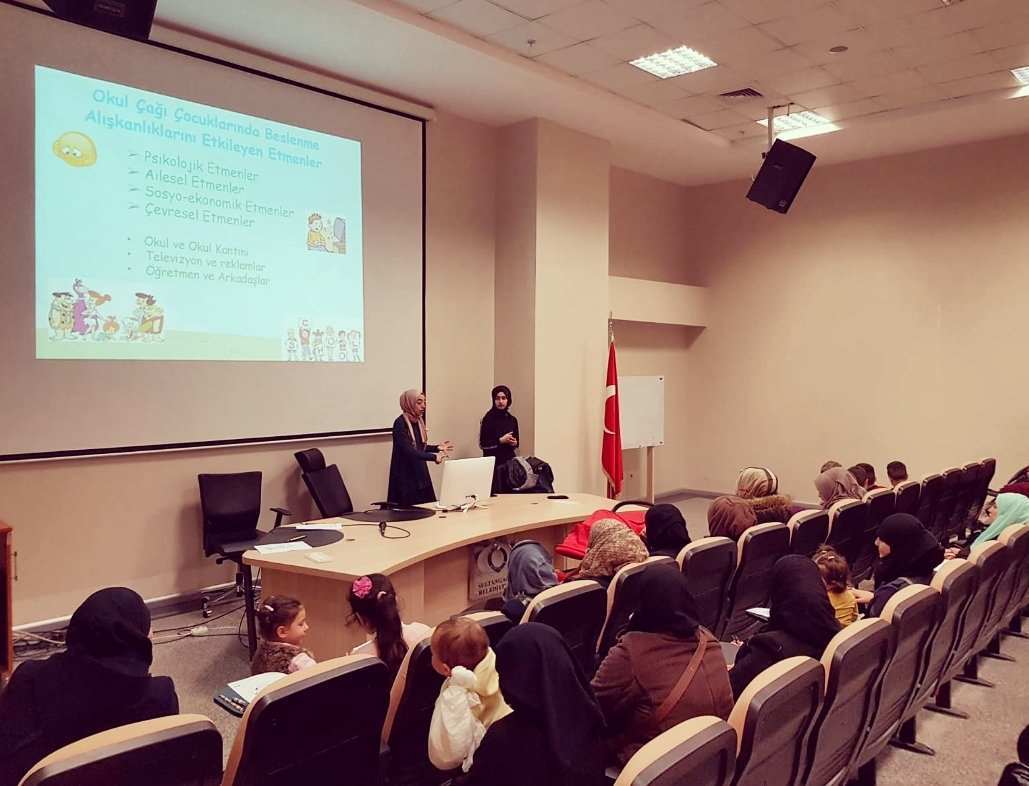
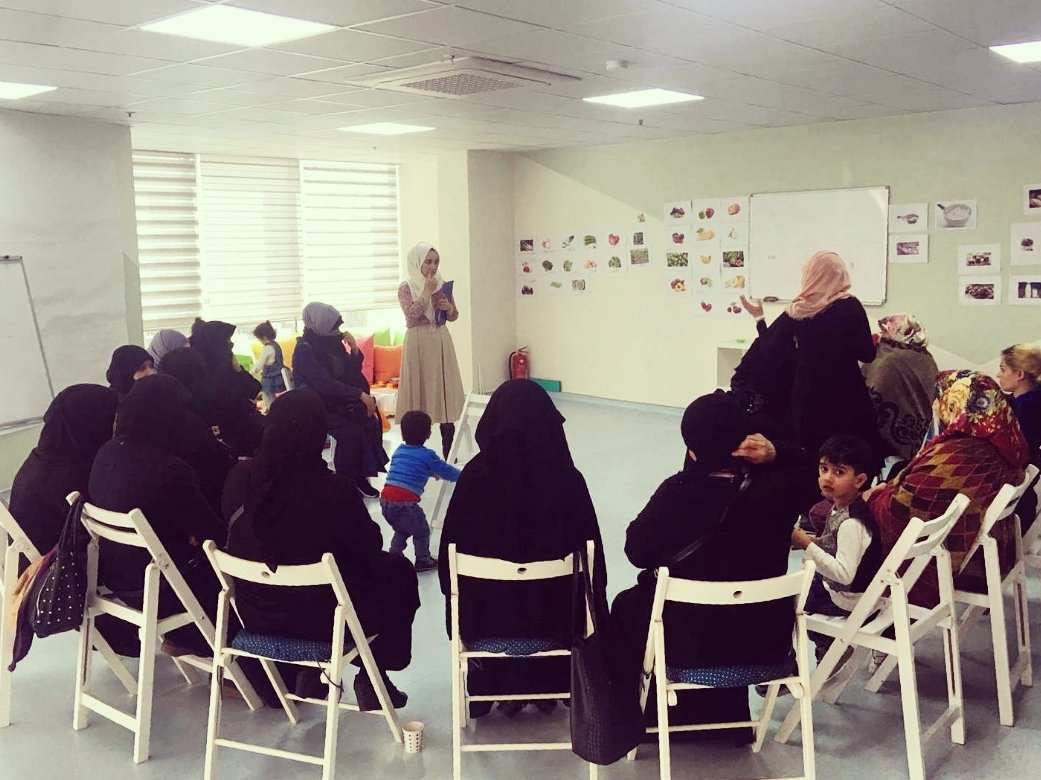
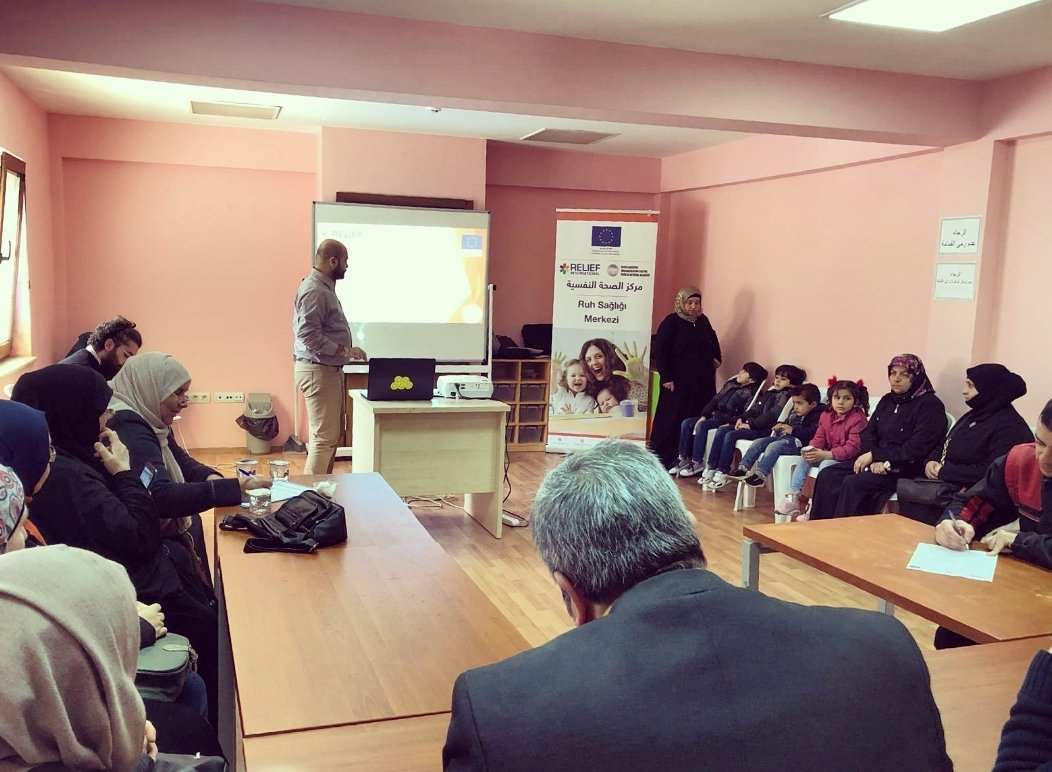
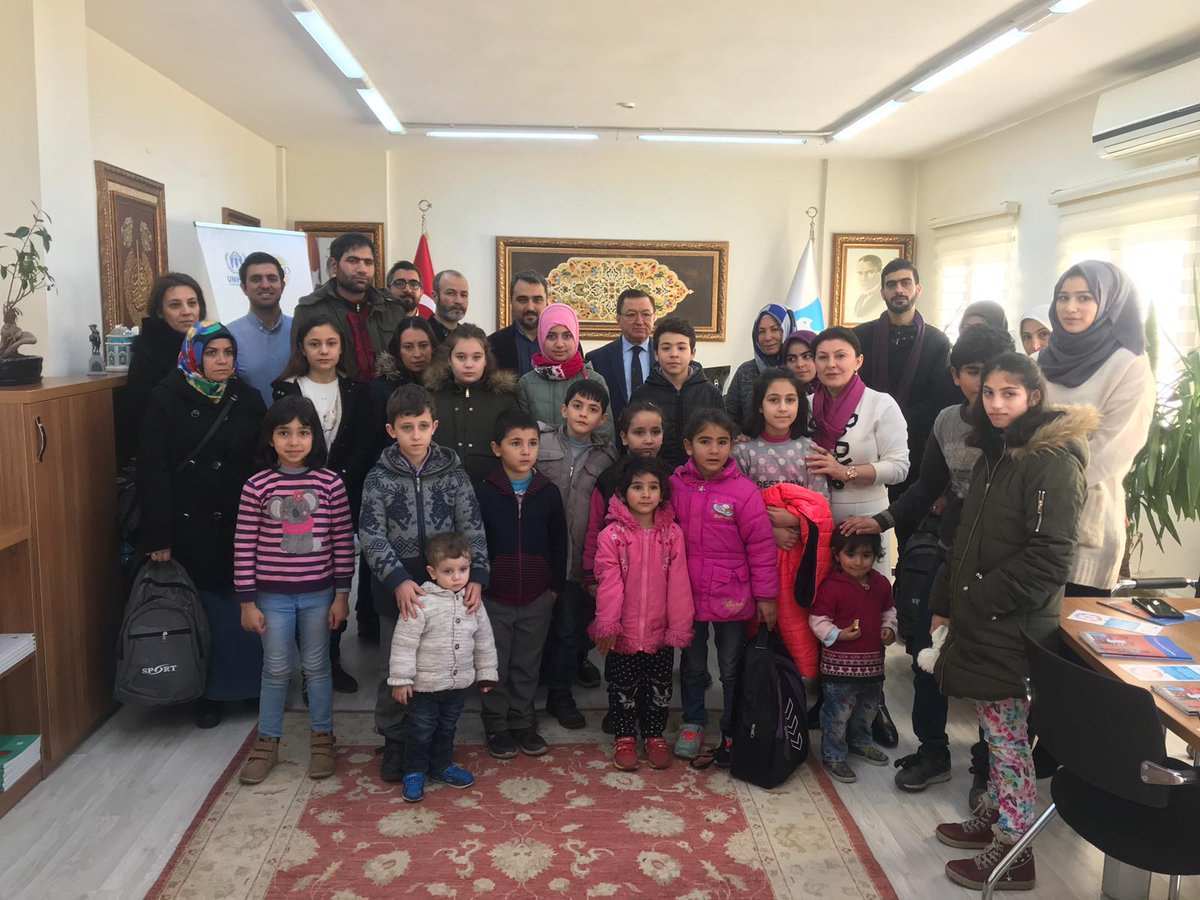
Within the scope of the “Laughter Workshop” Project, implemented in cooperation with the World Academy for Local Government and Democracy (WALD), the United Nations High Commissioner for Refugees (UNHCR), and Biruni University Faculty of Dentistry, oral and dental health training sessions and free dental health screenings were conducted for refugee children and children under temporary protection who benefit from Urban Adaptation Units operating in various districts of Istanbul.
Today, strengthening protective and preventive services for child health holds strategic importance not only for improving individual health outcomes, but also for supporting public welfare, social cohesion, and sustainable development. Developed in line with this understanding, the “Laughter Workshop” Project has been designed as a comprehensive application model aiming to support equality of opportunity in accessing health services, increase health literacy, and help children acquire healthy living habits from an early age.
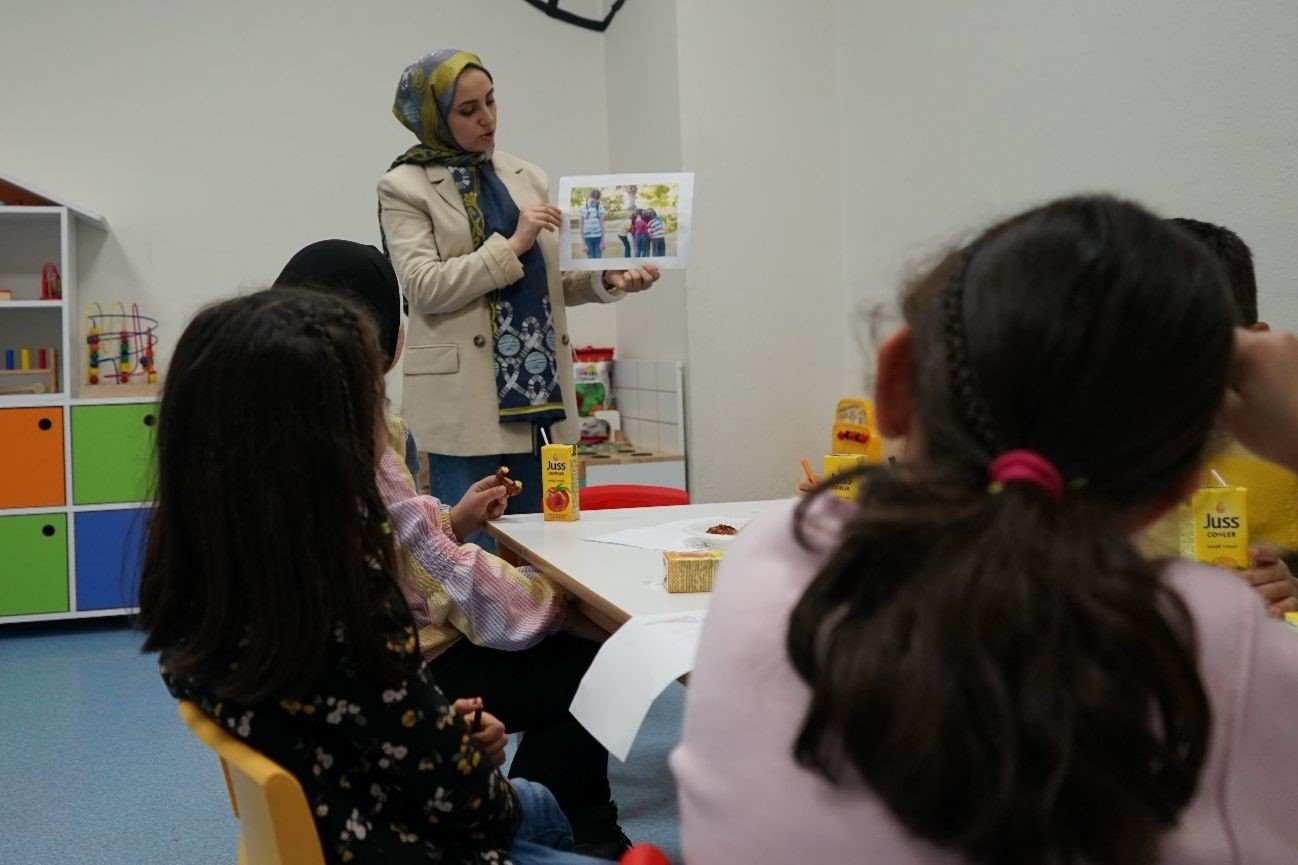
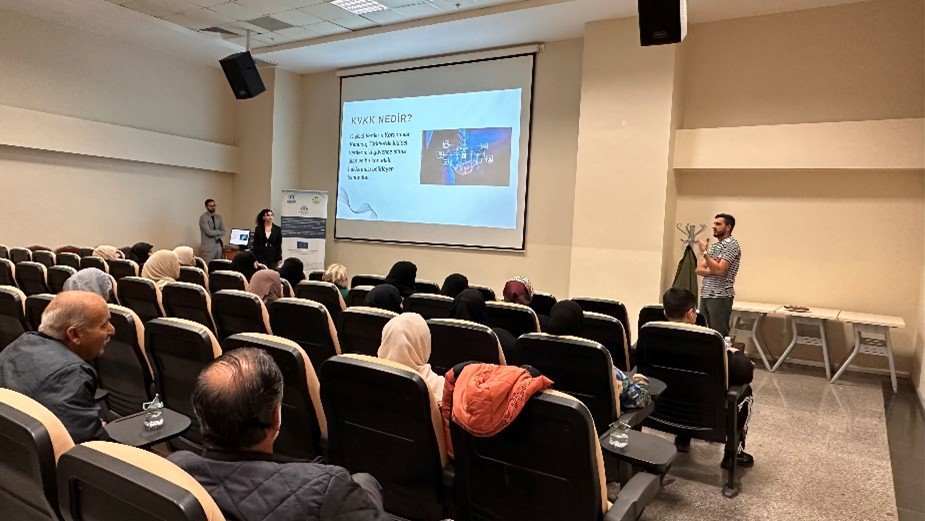
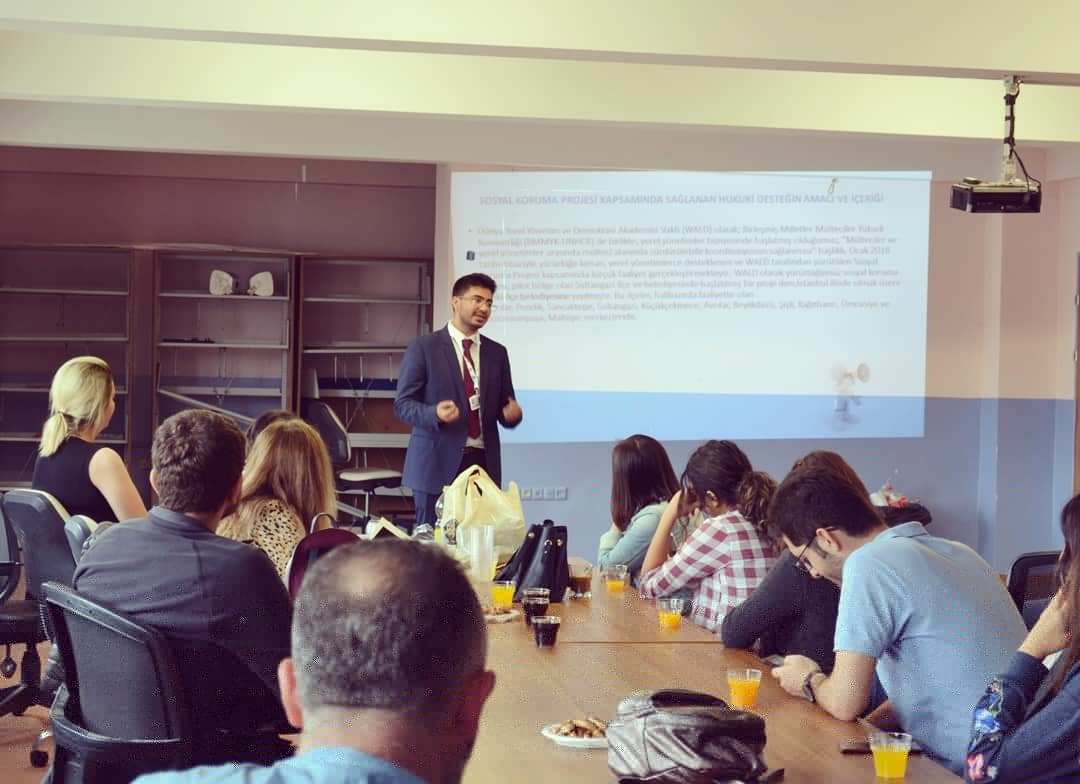
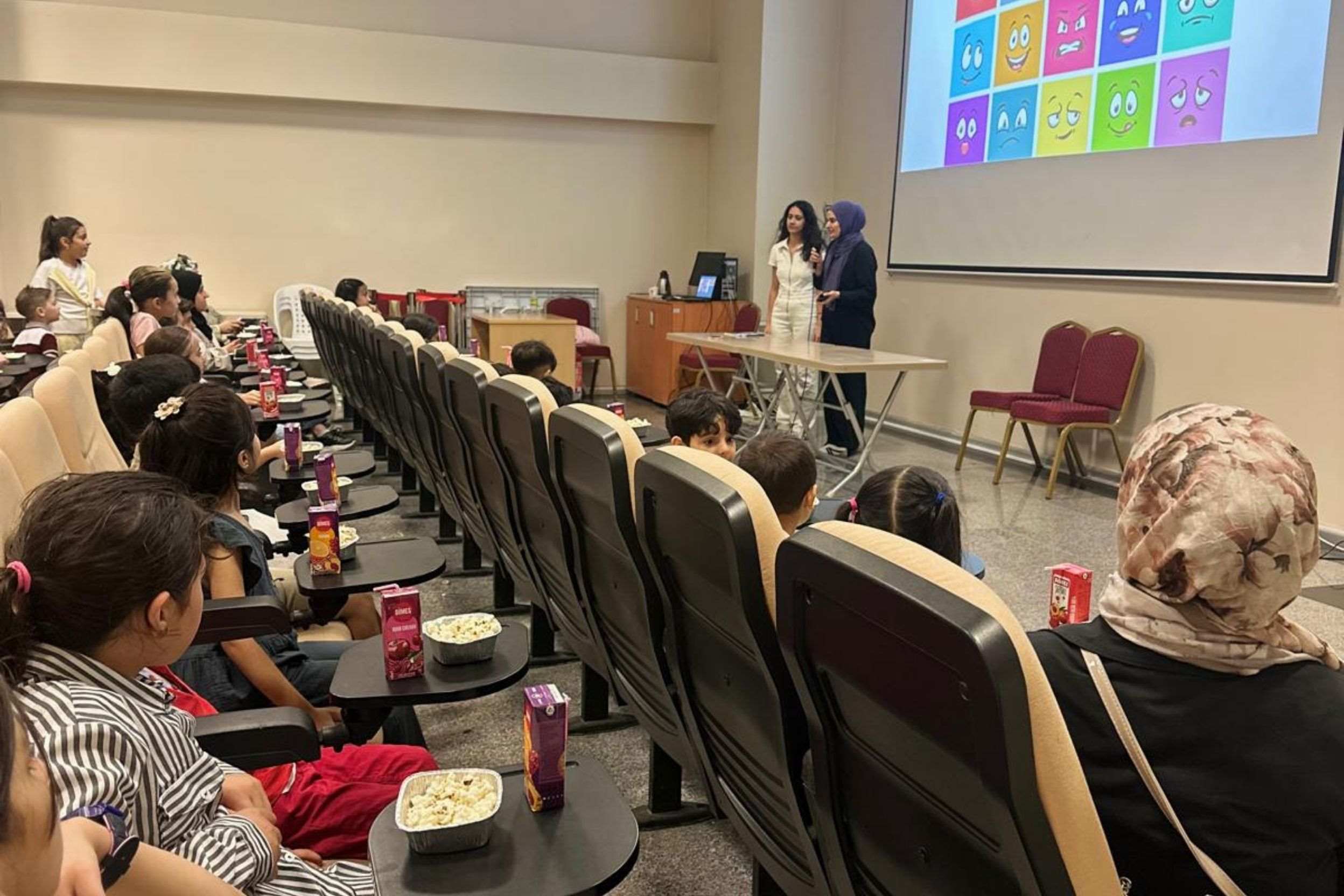
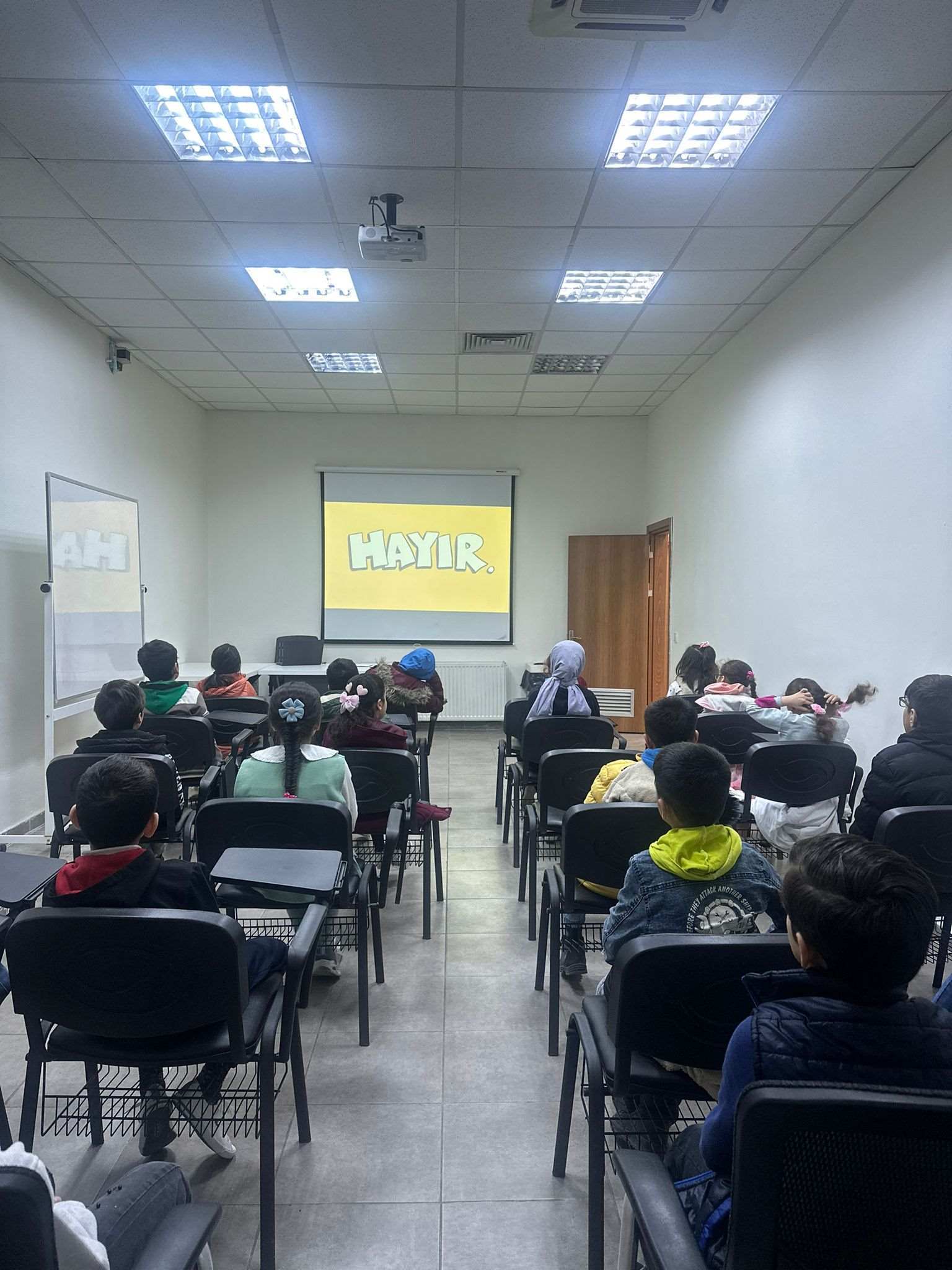
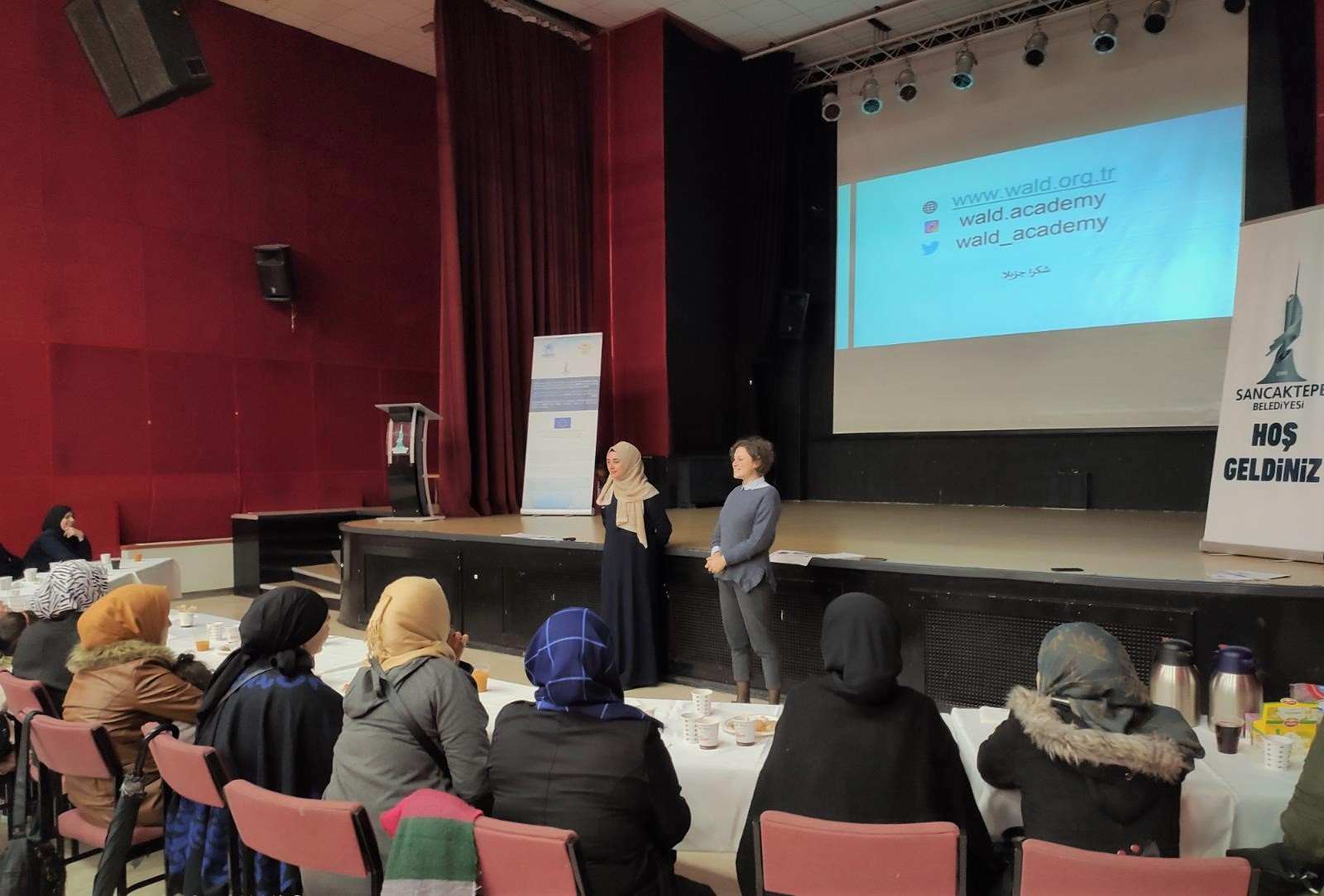
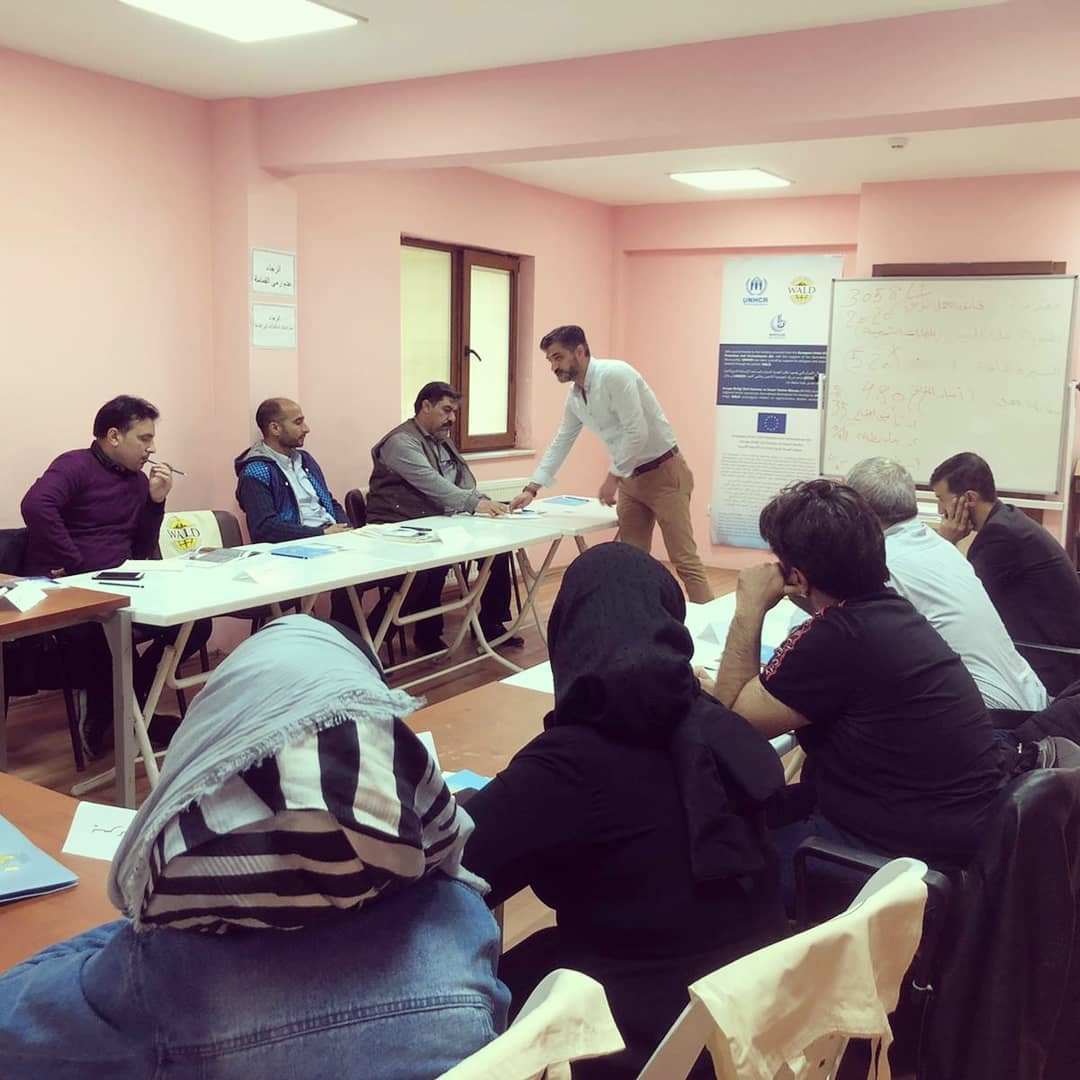
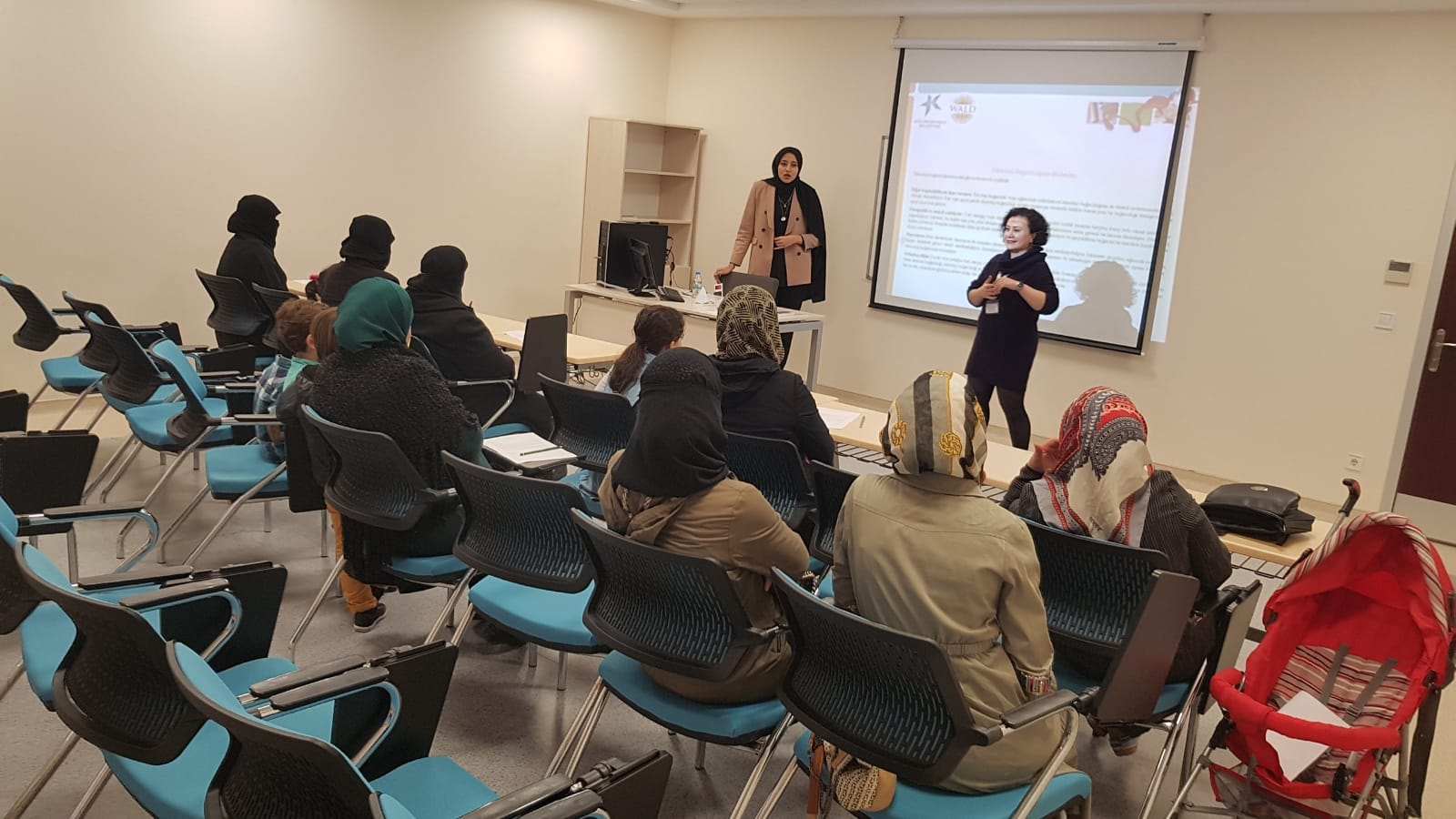
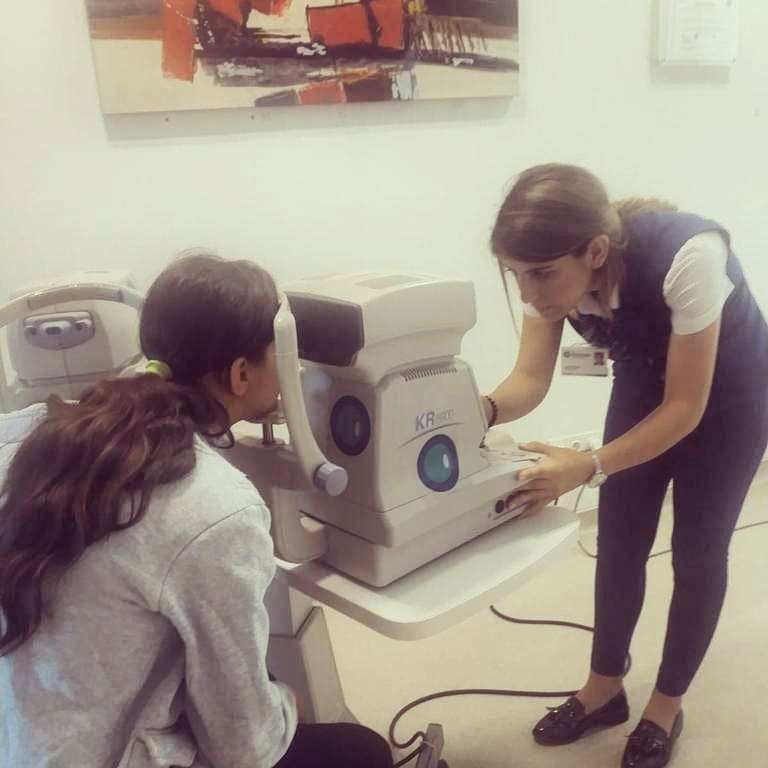
Under the project carried out in the districts of Bağcılar, Kağıthane, Küçükçekmece, Sultangazi, and Kocaeli/Gebze, educational programs tailored for children aged 8–11 were organized under the academic guidance and with the active participation of Biruni University Faculty of Dentistry students. During the training sessions, the basic principles of oral and dental health, effective oral hygiene practices, the effects of healthy eating habits on dental health, and correct tooth brushing methods were addressed through interactive methods. At the end of the training process, participation certificates were presented to the children, and personal care kits consisting of a toothbrush and toothpaste were distributed by WALD to support oral and dental health awareness. Children who completed the training program participated in free oral and dental health screenings conducted within Biruni University Faculty of Dentistry. In evaluations performed by expert academics and health professionals at the Department of Pedodontics Clinic, the children's current oral and dental health conditions were comprehensively examined, and individual information and guidance services were provided to children and their families based on a preventive health approach. Thus, while aiming to strengthen early diagnosis and preventive intervention mechanisms, contributions were also made to raising families' awareness regarding healthcare services.
The “Laughter Workshop” project serves as an exemplary practice demonstrating how multi-stakeholder collaboration developed among local governments, international organizations, academic institutions, and civil society can yield highly effective results in expanding community-based health services. This approach, which brings together the fields of health, education, and social cohesion, supports children from diverse social segments in accessing services on the basis of equal opportunities while contributing to the strengthening of an inclusive societal perspective. Carried out in alignment with the United Nations Sustainable Development Goals, the project makes concrete contributions particularly to the goals of access to quality health services, reduction of inequalities, and empowerment of inclusive societies. In this respect, the “Laughter Workshop” stands out not only as a health program supporting children's oral and dental health, but also as one of the reflections in the field of social cohesion, social solidarity, and a human-centered development approach.
This cooperation model developed by WALD, UNHCR, and Biruni University demonstrates the importance of innovative and sustainable approaches aimed at strengthening public health, while being evaluated as an exemplary social impact study that contributes to preparing children for the future as healthier, more conscious, and stronger individuals.